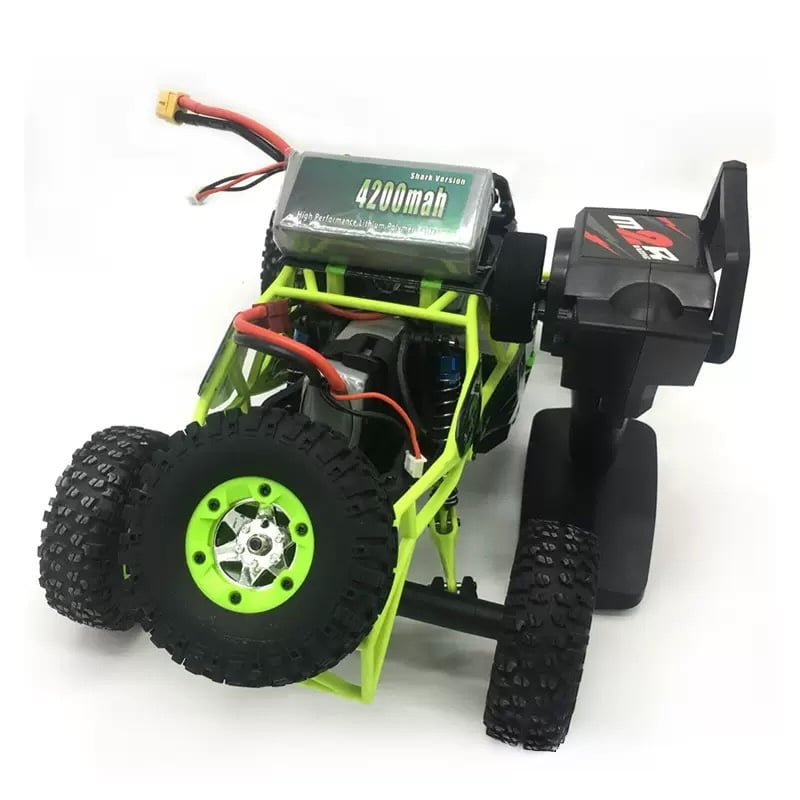
RC enthusiasts and manufacturers alike are often unsure how long LiPo packs1 truly last in real-world use. Underestimating battery lifespan2 leads to unexpected performance drops or safety risks, especially in high-demand applications. Let’s break down what typical lifespans look like and what affects them most.
LiPo batteries in RC cars typically last 1.5 a 3 years or about 200 a 500 full charge-discharge cycles3 when used and maintained properly. Sin embargo, aggressive use, improper charging, y high discharge loads4 can reduce this lifespan significantly. Proper care, almacenamiento, y balanced charging5 are key to maximizing longevity.
What Is the Typical Cycle Life of a LiPo Battery in RC Car Use?
Users often confuse charge cycles with total lifespan, leading to unrealistic expectations. Ignoring cycle limits can result in degraded performance or sudden failure mid-operation. Understanding ciclo de vida6 helps you predict battery replacement and plan maintenance better.
Most LiPo batteries used in RC cars have a typical cycle life of 200 a 300 ciclos. With optimal care—balanced charging, proper storage, and avoiding deep discharges—this can be extended to around 500 ciclos. After this, capacity and discharge performance begin to degrade significantly.
Most packs do not fail suddenly, so cycle life should be viewed as gradual capacity and power decline. The next sections define realistic ranges and show how usage shapes outcomes.
Defining Cycle Life in the RC Context
Cycle life in RC use refers to the number of full charge–discharge equivalents that a pack can deliver before performance crosses an agreed end-of-life threshold7. En la práctica, end-of-life aligns with a sustained loss of usable capacity, a notable drop in punch, or clear hinchazón8 that indicates internal degradation9. Because RC drivers rarely perform strict laboratory cycles, the concept is best applied as a practical yardstick tied to repeatable habits.
A “cycle” in the field is rarely a perfect 0–100–0 sequence. Partial charges, mid-session top-ups, and shallow discharges all blend into full-cycle equivalents over time. A pack used for two half runs and then recharged has roughly one equivalent cycle. With this view, a weekend basher who treats the pack gently may aggregate far more partial cycles before the pack shows fatigue than a racer who drives at the thermal limit every session.
End-of-life (EOL) criteria in RC should stay consistent. A common EOL marker is capacity falling to about 80% of the original measured value and staying there across several controlled checks. Another practical marker is when internal condition forces conservative gearing or lower current limits to avoid voltage sag. When a pack needs ongoing compromises to deliver the same experience, the functional cycle life has been reached, even if the pack remains usable for casual runs.
Cycle life in RC differs from datasheet life. Manufacturer figures often assume moderate discharge rates, controlled temperatures, and limited depth of discharge. RC cars create rapid current spikes, repeated accelerations, and real-world heat buildup within tight chassis spaces. Por lo tanto, cycle life bands for RC must reflect dynamic stress, not idealized stationary tests.
Finalmente, expectations should be set per application. A heavy 1/8-scale truggy driven on high-grip surfaces will stress cells more than a light 1/10-scale touring car on a cool track. The same label on the pack does not guarantee the same cycle count across platforms. Context decides the number.
Use Patterns That Drive Variation
Different driving patterns produce distinct life outcomes. The following table outlines typical bands that RC users observe when tracking performance over time under representative styles. These are orientation ranges meant to guide planning and maintenance targets.
| RC Use Pattern | Typical Pack Temp After Runs | Depth of Discharge Habit | Observed Cycle Band |
|---|---|---|---|
| Light bashing, modest gearing | Cool–warm | Shallow–moderate | 200–300+ |
| Mixed practice, occasional hard bursts | Warm–hot | Moderado | 150–250 |
| Club racing with frequent high loads | Hot | Moderate–deep | 100–180 |
| High-power setups, heavy vehicles, aggressive gearing | Very hot | Deep | 60–120 |
| Heat-controlled driving, conservative gearing, strict care | Revisado | Shallow–moderate | 220–350 |
These bands show how heat and discharge depth shape outcomes. Packs that finish runs merely warm usually age slowly. Packs that leave the chassis hot age faster. The hotter the core becomes and the more often it stays hot, the fewer cycles the pack will deliver before a noticeable decline. Depth of discharge also matters. Pulling voltage down to low cutoff on most runs compresses life, while stopping earlier preserves headroom in the chemistry.
Charging cadence and track rhythm also play roles. Back-to-back runs with short cool-down windows keep internal temperature elevated. Even when the surface feels cool, the core may remain warm. When cells never reset to a stable baseline, mechanical and chemical stress accumulates, and the cycle counter moves faster.
Lastly, vehicle setup affects stress. Tall gearing that demands high currents on every punch reduces ciclo de vida6. Tire choices that increase rolling resistance have a similar effect. Smoother throttle mapping and traction that allows controlled slip rather than heavy binding help keep current spikes in check, which saves cycles in the long run.
Build Quality, Assembly, and QC Signals
Pack construction quality sets the ceiling for achievable cycle life. High-grade cell matching10, clean tab welding, robust current paths, and consistent electrolyte wetting all reduce variation between cells. Low cell-to-cell spread limits imbalances during charge and discharge. That balance keeps heat distribution even and slows degradation.
Cell sourcing matters. Cells from established producers usually show tighter impedance and capacity distributions, which translates to stable performance under RC loads. These cells tolerate the same stress with less drift over time. Inferior cells may meet labeled capacity but show higher internal resistance spread and weaker mechanical tolerances, especially in tabs and seals. Those factors accelerate drift between series elements under high current and produce earlier swelling or sag.
The protection and interconnect architecture influence reliability. Well-selected wire gauges, solid solder joints, and secure strain relief at the lead exits protect against localized heating. Pack wraps and cushions that prevent vibration damage help preserve internal alignment. Good assembly delays early-life failures and supports predictable aging curves.
The second table lists build-related signals that correlate with longer or shorter cycle life in RC applications.
| Build/Assembly Signal | Positive Indicator | Negative Indicator | Cycle Life Impact |
|---|---|---|---|
| Coincidencia de celdas (capacity/IR) | Tight spread | Wide spread | Longer with tight spread |
| Tab weld quality | Limpio, coherente | Spatter, weak spots | Longer with clean welds |
| Interconnect resistance | Low and uniform | Uneven, hotspots | Longer with low resistance |
| Pack mechanical support | Firme, cushioned | Loose, rattling | Longer with firm support |
| Lead strain relief | Secured exits | Bare, doblando | Longer with relief present |
Even strong construction cannot overcome severe misuse, but it sets a baseline that determines how much stress the pack can absorb before visible decline. When combined with sound driving and charging habits, high-quality construction pushes packs to the top of the expected cycle bands.
Maintenance and Storage Effects
Care routines influence cycle life as strongly as use intensity. Balanced charging helps cells share load evenly during discharge and finish charge together. This alignment keeps the highest-stress cell from dragging the pack down. Consistent cutoff voltage that avoids deep drains preserves chemical headroom. Stopping a run earlier is a simple change that returns many extra cycles over time.
Storage behavior matters every week. Storing at moderate voltage reduces stress on the electrodes and the electrolyte. Moderado, seco, and cool environments slow parasitic reactions that creep along even at rest. Avoiding full-charge storage for long periods helps delay gas formation and swelling. Avoiding storage near freezing and near high heat protects seals and reduces mechanical fatigue within the jelly roll or stacked sheets.
Inspection is part of maintenance. Periodic checks for thickness changes, lead damage, or wrap abrasion catch early issues. Replacing a connector before it heats under load prevents localized thermal events that age a pack quickly. Cleaning debris from the chassis bay ensures airflow and removes grit that might pierce the wrap during vibration.
Charging discipline ties care together. Reasonable charge rates reduce heat during restoration. Cells that remain cool while charging show smaller impedance growth over time. Charging immediately after a hot run traps heat. Allowing a full cool-down before connecting the charger limits thermal stacking and slows aging.
Measurement and End-of-Life Criteria
Cycle life evaluation needs stable, repeatable checks. Simple, consistent capacity tests at moderate load provide trend lines that point to EOL before surprises happen at the track. Recording discharge time under a known gearing and surface condition, while not laboratory-grade, still yields useful trend data. When runtime shortens predictably despite consistent habits, the pack approaches the end of its useful cycle count.
Voltage behavior under load is a second indicator. Packs that sag more than before at the same current have grown internal resistance. If gearing and tires remain constant, but the voltage troughs deepen, the chemistry has aged. This signal usually appears before dramatic capacity loss. Monitoring it prevents confusing tuning issues with battery wear.
Physical condition provides a third check. Swelling that does not reverse after cool-down signals internal changes that will not heal. Surface bubbles, seam distortion, or a persistent soft feel after rest all point to a pack near EOL. Retiring such a pack early protects the vehicle and the driver while avoiding sudden failures.
Clear criteria should guide retirement. When two or more indicators align—reduced capacity, increased sag, and persistent swelling—the pack has likely delivered its practical cycle life. Continued use may still be possible for light, non-demanding runs, but reliability will not match earlier performance. Planning replacements based on these signals avoids downtime during key events and maintains consistent on-track behavior.
How Do High-Discharge Rates in RC Cars Shorten LiPo Lifespan?
High-performance RC applications often demand rapid power bursts. Repeated high-discharge cycles can overheat the battery and accelerate internal degradation. Recognizing how high-discharge rates impact internal chemistry helps mitigate wear.
High-discharge rates stress LiPo batteries by increasing internal heat and accelerating electrolyte breakdown. This leads to faster capacity loss and swelling. RC cars that draw large currents frequently may reduce battery life to under 100–200 cycles, especially if paired with poor cooling or inadequate C-rating.
Discharge control protects chemistry and hardware. The following sections explain what happens inside cells and how to manage the risk in regular RC use.
Understanding Peak Current Stress
High-discharge operation pushes cells to deliver large current spikes during acceleration and on high-grip surfaces. Each spike forces charge carriers to move quickly through porous electrodes and separators. The process creates gradients in concentration and potential. Those gradients do not remain uniform across the electrode thickness or along the current path. Uneven distribution produces local hotspots where reactions run harder than average. Localized strain develops in the active material and at interfaces. With repetition, these non-uniform zones age faster than the rest of the cell.
The pack architecture magnifies the effect. A multi-cell pack in series must pass the same current through every cell. If one cell has slightly higher resistance, it heats more during peaks. The mismatch then grows, because heat drives further resistance growth. This positive feedback can turn a small spread into a larger imbalance. En la práctica, the pack’s weakest cell sets the allowable current ceiling. Sustained high-discharge driving pushes that ceiling down by aging the weakest cell first.
Lead lengths, connector conditions, and weld quality shape current flow as well. Any added resistance in interconnects concentrates heating at joints and narrow paths. That heat may not be visible from outside. Sin embargo, it changes the local temperature the cells experience during each punch. The internal chemistry feels the combined effect of cell-level and hardware-level resistance. Good interconnects and clean connectors reduce the extra load that high-discharge rates impose on the electrochemistry.
Finalmente, duty cycle matters. A single short burst may not define the life curve. Many bursts per lap or back-to-back runs with small pauses keep cells near elevated temperature and concentration imbalance. High-discharge stress is therefore a product of both peak magnitude and repetition rate. Managing either parameter lowers cumulative damage per session.
Thermal Buildup11 y Electrolyte Degradation12
Heat is the most visible outcome of high-discharge driving. The source is resistive heating inside the cell and at interconnects. The higher the current, the higher the heat rise for a given internal resistance. Heat travels outward from the electrode stack to the pouch and then to the chassis air. The core can remain warmer than the surface for a long time, especially in tight bays with limited airflow. When packs see repeated bursts without a full cooldown, the core temperature walks upward across the session.
Elevated temperature speeds parasitic reactions at the electrodes and within the electrolyte. These reactions slowly change the composition and structure of the interface layers that support lithium ion exchange. The layers can thicken or become less uniform. Transport across those layers then becomes more resistive, which increases heat in the next run. The cycle continues, and the effective resistance slowly rises. The pack then sags more under the same load, which demands even more current to hit the same vehicle speed. This behavior locks the pack into a decline loop if high-discharge patterns continue without thermal control.
Thermal stress also affects mechanical elements. Pouch materials, seals, and adhesives undergo expansion and contraction with each heat cycle. Strong swings combined with vibration from the vehicle can loosen supports or create micro-gaps. Those changes concentrate stress in corners and along seams. Once the pack loses mechanical tightness, internal layers can shift more under load. That shift reduces uniform contact and introduces new local resistive paths. The effect appears later as swelling that does not fully recede after rest.
High-discharge rates, therefore, do not only shorten life through immediate heat. They set up a temperature-driven chemistry and mechanics loop. The loop advances with every session that ends hot and every charge that starts before the pack cools. Breaking the loop requires stricter temperature limits and spacing between stints.
Caso de voltaje13, Resistance Growth, and Mechanical Strain
High-discharge operation makes voltage sag more visible. Sag reflects the internal resistance that the current experiences. When the same pack is driven hard over time, the sag deepens at similar throttle positions. This signal shows that resistance has grown inside the cells. The growth comes from changes in electrode porosity, interface chemistry, and current-collector condition. Resistance growth14 also tracks damage at tabs and welds, which may have developed hot spots during earlier runs.
Resistance growth interacts with mechanical strain. Under heavy current, electric and thermal fields do not distribute evenly in the electrode structure. Some regions carry more current. Those regions heat and expand more, which adds stress at boundaries. Repeated cycles of expansion and contraction cause micro-cracks or delamination in active material. Micro-cracks reduce effective area for charge transfer and increase local resistance further. The process feeds on itself under sustained high-discharge use.
The separator sees stress as well. Strong ion flux during bursts can compress or distort local pores. Thermal cycles can also change separator stiffness and thickness slightly. While modern separators tolerate these stresses, cumulative effects raise the risk of localized transport inefficiency. Less efficient transport raises localized overpotential, which promotes more heat and side reactions. Resistance rises again, voltage sag increases, and capacity at high load falls.
Connector and harness integrity plays a parallel role. Minor oxidation or wear on contact surfaces increases contact resistance. High current then creates extra heat at the connector, which softens housing materials and relaxes spring forces. The contact worsens, and the system sags more. The pack appears weaker even when the cell chemistry has not degraded as much. Regular cleaning and timely connector replacement keep system resistance low and reduce the apparent penalty of high-discharge operation.
Practical Operating Bands and Control Levers
High-discharge stress can be managed without eliminating performance. The key is to set limits on peak and sustained draw, watch temperature, and allow full cool-down before charging. Engranaje15 is the most powerful lever. Shorter gearing lowers current spikes during launch and out of corners. The vehicle still accelerates well, but the battery sees smoother demand. Throttle curves and endpoints are the second lever. Softer initial response reduces peak draw during traction-limited moments. The change improves consistency and eases battery stress.
Vehicle setup also matters. Tires with appropriate compound and diameter reduce forced drag that demands extra current. Bearings that roll freely lower baseline load. Drivetrain alignment prevents binding that would convert battery energy into unwanted heat. un limpio, low-drag chassis lets the pack deliver speed without wasteful peaks. The battery then works within a friendlier discharge band even when the driver attacks the course.
Thermal management closes the loop. Airflow16 around the pack helps remove heat from the pouch surface. Venting, conductos, and spacing reduce hot air pockets. A temperature ceiling defines when a run should stop. If the pack approaches that ceiling, the session ends early to protect life. The pack then rests until core and surface temperatures equalize near ambient. Charging only begins after full cooldown. This routine blocks the compound effects that high-discharge and residual heat create.
Charging strategy17 should reflect the prior stress. After a hard session, moderate charging rates hold temperature in check and limit further stress. Balance charging aligns cells before the next outing. Storage voltage18 becomes the default for any pack that will not run again soon. These habits slow resistance growth and keep voltage sag more stable over the next cycles.
Finalmente, monitoring enables timely adjustments. Consistent runtime logs, end-of-run temperature checks, and subjective punch notes show trends early. If sag deepens or temperatures creep higher at the same pace, the discharge band is too high. A small gearing change or a softer throttle curve can restore balance. With these levers, high-discharge performance remains strong while lifespan stays within a predictable and acceptable band.
Does the C-Rating of a LiPo Affect How Long It Lasts in an RC Vehicle?
Many users choose batteries based on capacity alone, overlooking calificación C19. An incorrect C-rating can cause overheating, poor performance, or rapid degradation. Matching the C-rating to your motor load is key to maximizing battery health.
Sí, the C-rating (tasa de descarga) significantly impacts lifespan. A low C-rated LiPo used in a high-drain setup can overheat and degrade quickly. Using a battery with a C-rating suitable for your motor’s peak current draw ensures safe operation and extends the usable life of the pack.
C-rating becomes useful only when matched to real load, flujo de aire, and charging discipline. The following sections explain how to read it and how to use it.
What the C-Rating Actually Signals
C-rating is a label for current capability, not a direct promise of longevity. It points to how much sustained and burst current a pack can deliver before temperature, caso de voltaje, and chemistry stress rise beyond safe levels. The value on the shrink wrap does not standardize across brands, and test conditions often differ widely. Como resultado, two packs with the same rating can behave very differently under the same vehicle load.
Real performance depends on internal resistance, electrode design, electrolyte formulation, separator robustness, and assembly quality. A well-built “moderate” rating pack may run cooler and hold voltage better than a poorly built pack with a higher printed rating. Manufacturing consistency matters as much as the number itself. Low cell-to-cell spread supports even heating and balanced currents along series elements, which helps longevity far more than an aggressive claim on the label.
C-rating must be read with vehicle context. Heavy 1/8-scale platforms, tall gearing, neumáticos pegajosos, and rough surfaces create longer and steeper current peaks. Tight body shells and crowded battery bays trap heat. Even a pack with a high printed rating may drift, hinchar, or lose punch sooner if the duty cycle is unforgiving and airflow is weak. Matching the rating to real use requires attention to temperature after runs, typical voltage sag during acceleration, and how often the pack gets pushed to thermal limits.
C-rating also ties to mass and volume. Packs designed for very high discharge often add conductive pathways and thicker current collectors. Those changes can increase mass. Extra mass can help manage temperature but can alter chassis balance. Lighter, lower-rating packs reduce mass but give less thermal margin. The right choice depends on the track, engranaje, and target lap consistency rather than the biggest number on the case.
| Label Tier | Practical Use Envelope | Heat Tendency Under Load | Stress Level | Expected Longevity Band* |
|---|---|---|---|---|
| Moderate rating (p.ej., mid-tier) | Light bashing, stock-to-mild gearing | Low–moderate | Low when kept cool | Broad, if discharge stays conservative |
| Mid-high rating | Club practice and controlled racing | Moderado | Moderate if airflow is fair | Solid, if temps remain managed |
| High rating | Demanding racing, heavier platforms | Moderate–high if airflow is weak | Low–moderate with good cooling | Fuerte, when temps controlled |
| Inflated rating (marketing-heavy) | Looks capable but sags early | Alto | High under spikes | Compressed, due to heat and drift |
*“Expected Longevity Band” assumes balanced charging, sensible cutoffs, and storage discipline.
This overview shows that labels should be verified by temperature and sag behavior in the real vehicle. A pack that finishes runs warm and balanced suggests a good match. A pack that exits hot or drifts out of balance signals an underspec or inflated rating relative to actual demand.
How C-Rating Interacts With Pack Temperature
Temperature remains the most powerful predictor of life. Higher internal temperature accelerates side reactions at the electrodes and inside the electrolyte. These reactions thicken interfacial layers, raise internal resistance, materia profunda, and invite swelling. C-rating only helps when it reduces average and peak temperature during real driving.
Duty cycle20 controls temperature more than short spec sheet bursts. Long straights, high-grip tracks, and tall gearing sustain draw for longer periods. The pack’s core temperature can stay elevated even when the surface cools quickly after a run. Recharging while the core is still warm compounds stress. A rating that looks sufficient on paper may fail to control the thermal walk-up across multiple back-to-back stints.
Airflow and bay layout decide how well the pouch can shed heat. Tight foam, thick trays, and body shells without vents trap hot air near the pack. A pack with a higher C-rating but poor cooling may age quicker than a lower-rating pack in a breezy bay. The label is not a substitute for ventilation, espaciado, and a strict temperature ceiling that triggers end-of-run decisions.
Finalmente, interconnects decide how much of the heating occurs outside the cell stack. Limpio, low-resistance connectors and appropriate wire gauge keep external heating down and shift more of the thermal picture into the manageable range. A higher C-rating cannot fix a worn connector that adds avoidable heat at every punch. The pack will still look stressed even though the cell design might be adequate.
Matching C-Rating to Vehicle, Engranaje, and Track
A correct match uses C-rating to create thermal headroom at the expected load. Underspec rating leads to recurring thermal spikes, uneven cell utilization, and early swelling. Overspec rating can add mass and cost without meaningful gains if the vehicle does not need it. The best match aims for post-run temperatures that are warm but controlled and sag that remains consistent across the session.
Gearing defines baseline draw. Shorter gearing brings peak current down and allows a lower C-rating pack to live comfortably. Taller gearing pushes current up and needs higher rating or improved cooling to keep chemistry inside a safe envelope. Tire compound, surface grip, and drivetrain health move the target in smaller steps by changing rolling resistance and traction. Smooth throttle mapping lowers the worst spikes and lets a moderate-to-high rating pack demonstrate stable behavior over many cycles.
A selection matrix helps align rating tier with common RC use cases and chassis classes. It focuses on temperature control, flujo de aire, and duty cycle rather than chasing the biggest printed number.
| Vehicle Class / Usar | Typical Load Character | Airflow Context | Recommended Rating Tier | Notes for Longevity |
|---|---|---|---|---|
| 1/10 touring, light bashing | Moderate peaks, short bursts | Fair airflow | Moderate–mid-high | Keep temps controlled; conservative cutoffs |
| 1/10 4WD buggy, club racing | Frequent bursts, medium duration | Mixed airflow | Mid-high | Watch post-run temp; balance charge |
| 1/8 truggy/buggy, heavy tracks | High sustained draw | Tight bay | Alto | Agregar respiraderos; shorten gearing if hot |
| Short course, rough surfaces | Extended peaks, draggy tires | Mixed airflow | Mid-high–high | Maintain bearings; evitar descargas profundas |
| Speed runs / high gearing | Largo, sorteo alto | Often tight | Alto (quality-focused) | Strict temp ceiling; long cool-downs |
This matrix assumes healthy connectors, balanced charging, and storage at moderate voltage. Adjust upward if temperatures still climb or sag worsens. Adjust downward if runs finish cool and mass reduction helps chassis balance.
Cargando, Almacenamiento, and Balance Behavior by C-Rating
Higher C-rating designs often feature lower internal resistance and stronger current paths. These traits help voltage stability during discharge and can also stabilize cell behavior during charge. Sin embargo, no C-rating removes the need for careful charging and storage discipline. Charging should begin only after full cool-down, with rates chosen to keep temperature rise minimal. Balance charging aligns series elements and prevents one cell from drifting into overvoltage or undervoltage territory over repeated cycles.
Storage at moderate voltage limits stress on electrodes and electrolyte. Packs left at full for long periods tend to develop gas and residual swelling regardless of rating. Packs left near empty risk imbalance and deeper internal changes that show up as early-life sag. A sensible storage habit returns more cycles than any single number on a label can promise.
C-rating also interacts with cutoffs21. Lower-rating packs benefit from slightly higher cutoffs to avoid deep drains under sag. Higher-rating packs can hold voltage better late in a run, but still face thermal limits22. Ending the session by temperature rather than by time protects every rating tier and keeps the resistance curve flatter over the pack’s life.
Finalmente, inspection cadence3 should scale with the vehicle’s stress profile. High-demand platforms merit frequent connector checks23, wrap inspections, and post-run feel tests for firmness and symmetry. Early signs of drift or swelling should lead to corrective actions such as gearing adjustments or retirement from the harshest duty. C-rating guides selection, but condition-based maintenance preserves longevity.
How Many Years Can a Well-Maintained RC LiPo Battery Remain Usable?
Some users replace batteries too early or risk failure by using degraded packs too long. Premature disposal or unsafe continued use both result in cost or safety issues. Knowing realistic, well-maintained lifespan helps make informed decisions.
A well-maintained LiPo battery can last up to 3 years or more. Factores como temperatura ambiente24, proper storage voltage (around 3.8V per cell), and avoiding over-discharging are essential. Batteries stored at room temperature and used within limits age much slower and deliver better performance long-term.
This section converts cycle talk into yearly planning and shows how habits stretch usable life without trading safety.
What “Years of Use” Really Means
“Years of use” blends three ideas. The first is cycle life. The second is calendar aging25. The third is how the pack is actually used across seasons. These forces run in parallel. Cycle life accounts for stress from charge and discharge. Calendar aging accounts for slow changes that occur even while the pack sits. Use pattern sets how often these forces act each month.
A driver who runs most weekends stacks many partial cycles into full-cycle equivalents. The same driver also stores packs often. Each storage period introduces calendar aging that moves in the background. A driver who runs only once or twice a month stacks fewer cycles per year. That driver leans more on calendar aging than on cycle fatigue. This difference explains why packs last longer in light use even when the total years are similar.
The end of “usable years” does not always mean failure. It usually means the pack no longer supports the target experience. The vehicle may feel soft on punch. The runtime may drop below a track’s normal session length. The pack may swell slightly and then stay that way. These signs define the practical end even when the pack can still move a light setup. Years of use, therefore, is a quality window, not a hard stop.
Heat reshapes the timeline faster than any other factor. A pack that ends most runs at moderate temperature can keep strong behavior well into year three or four under regular hobby use. The same pack pushed to hot finishes many times will compress that window. More heat speeds side reactions that lift internal resistance and cause gas formation. The result is earlier sag and earlier swelling. Years shrink when heat grows.
Depth of discharge also moves the boundary. Shallow to moderate discharge preserves headroom in the chemistry. This delays the moment when small losses add up and feel large on track. Deep discharge at almost every session pushes the chemistry harder and asks the pack to climb out of lower voltage states more often. Years shorten when the pack ends every run near cutoff.
The Big Levers: Temperatura, Profundidad de descarga, Calendar Aging
Temperature decides the slope of aging. Más bajo, stable operating temperatures reduce the rate of change at the electrode interfaces and the electrolyte. The goal is not a cold pack during use, but a pack that finishes warm, not hot, and that cools fully before charging. A cool core after rest means stress levels fell back to a friendly baseline. A warm core at the start of charging means stress continues even during the “recovery” period. That habit trims months from the total span.
Depth of discharge controls how far each cycle stretches the chemistry. Moderate cutoffs protect the most sensitive parts of the voltage window. Most drivers can pick a cutoff that finishes runs with some margin. This margin reduces the share of each cycle that lands in the most stressful region. Over a season, the saved stress turns into better voltage stability and less swelling. That stability shows up as steady punch at the same gearing and surface.
Calendar aging is often ignored. It matters. Time at full charge pushes interfacial growth and gas formation. Time at very low voltage invites imbalance and local changes that do not reverse well. Middle storage voltage reduces these risks. The storage environment also matters. Fresco, seco, dark conditions slow the slow reactions that run even at rest. Calor, humedad, and sunlight do the opposite. Good storage, therefore, adds months with no driving at all.
Use rhythm influences all three levers. Back-to-back runs with little cool-down time stack heat. The core stays warm, even if the surface cools in the air. Charging starts on a warm core and pushes the pack through another stress block. Spacing runs and padding the cool-down window cut this stack. Across many weekends, this simple change adds visible months.
Vehicle setup decides baseline current draw. Conservative gearing, aligned drivetrains, and clean bearings lower average current and shrink peaks. Shrinking peaks pulls temperature down. Lower temperature reduces side reactions. The pack ages slower per lap. Years expand when the vehicle wastes less energy as heat.
Storage and Charging Habits That Add Months
Storage at mid-voltage should be the default. It reduces internal stress while the pack waits. Full-charge storage should be rare and short. Low-voltage storage should be rare as well. Mid storage voltage supports the most stable interfacial layers at rest. This habit makes the chemistry meet the next session in a better state.
Charging should start only after full cool-down. This rule is simple and powerful. A pack that charges hot loads more heat into the core and leaves less margin during the next session. Hot charging also increases resistance growth over time. Waiting for a full cool-down puts the pack in the best position for the next run and for the next month.
Charge rates matter because of temperature. Moderate rates keep charging cool. Higher rates can be used sometimes, but they should not define every session. The pack should leave the charger without feeling warm. If it feels warm, the rate is too high for that day. Repeated warm charges trim months quietly. Cool charges add months quietly.
Balance charging supports even stress across cells in series. Even stress keeps the weakest cell from being overworked every run. An overworked cell ages faster, drifts further, and pulls the whole pack down. Regular balance charging keeps the spread narrow. Narrow spread reduces heat pockets and sag spikes. This balance turns into better year-to-year stability.
Airflow during storage protects the wrap and connectors from trapped heat and moisture. A clean tray and a pouch without pressure points help the pack rest in a natural, flat state. Avoiding bending and pinching at the leads prevents micro-damage that later looks like electrical stress. Good mechanical rest26 reduces small failures that could otherwise shorten life.
Finalmente, clean connectors hold contact resistance low. Low contact resistance lowers heat at the plug during heavy draws. Each degree not added at the plug is a degree not added to the pack. Simple cleaning and timely replacement of worn connectors add not just cycles, but months.
Retirement Triggers and Safe Second Life
Retirement should follow signs that persist across controlled checks. The first signal is capacity that settles at a lower level across several calm tests. Corto, isolated dips can come from cold weather or unusual loads. Largo, repeatable dips point to real change. When capacity sits well below the early-life baseline, the pack has entered its late phase.
The second signal is voltage behavior. Deeper sag under the same load points to higher internal resistance. More resistance means more heat on every punch. More heat accelerates all other aging paths. If sag grows across several sessions with nothing else changed, the pack is stepping down in usable power output. That step marks the approach to retirement for performance use.
The third signal is physical condition. Persistent swelling after rest means gas formed during stress and did not reabsorb. The pack may still run, but it no longer sits in a stable mechanical state. The wrap may feel soft or uneven. Corners may look puffed. These changes do not recover with care. They mark a non-reversible phase and should trigger retirement from demanding duty.
Retirement does not always mean disposal on the same day. Some packs can move to light roles that draw modest current and stop early. Such roles should be treated with care. Charging and storage rules still apply. The pack should be watched for further change. If swelling grows or if voltage behavior becomes erratic, the pack should be fully retired and processed according to local rules for lithium battery handling.
Planned replacement keeps fleets consistent. A driver who replaces key packs each year keeps performance stable and avoids surprises at events. This plan also reduces the risk of running borderline packs beyond their comfort zone. A planned cycle allows packs to live most of their years at their best and then leave service before they become a safety or reliability issue.
Claro record-keeping27 supports safe retirement. Simple notes on date of purchase, rough cycle count, observed temperatures, and end-of-run feel tell the story faster than memory. These notes also help match gearing, track conditions, and pack behavior. Con el tiempo, the notes show how many years a given care routine delivers with a given brand and rating tier. This feedback loop improves the next buying and maintenance decision.
En resumen, years of use come from many small choices. Packs that stay cool, avoid deep drains, rest at mid-voltage, and charge after full cool-down can serve for several seasons. Packs that finish hot, charge hot, and sit full will feel old sooner, even with fewer total cycles. A realistic plan aims for a 2–4 year window for active users, with longer spans possible for light users who keep strict habits. Retirement should be calm, not sudden, and should follow clear condition signals.
What Role Do Charging Habits Play in Extending LiPo Life in RC Cars?
Improper charging is one of the fastest ways to destroy a LiPo battery. Fast-charging without balancing or using mismatched chargers leads to thermal runaway or swelling.
Smart charging habits preserve health and prevent premature failure.
Charging habits affect longevity dramatically. Use balanced chargers, avoid overcharging (max 4.2V/cell), and follow the 80/20 rule—charge to 80% for daily use and avoid discharging below 20%. Slow charging at 1C rate and storage at 3.8V extend LiPo life significantly in RC environments.
Charging is not a background task. Charging defines the pack’s starting condition for every run and shapes how quickly the chemistry ages across seasons.
Cool-Down, Temperature Ceilings, and Session Timing
Charging should begin only after a full cool-down from the prior run. This rule protects the electrolyte, electrode interfaces, and seals from compounding heat. A pack that enters charge with a warm core starts its next session with a thermal handicap. The core retains heat longer than the surface; impatience can mask a hot interior with a cool exterior. A disciplined pause lets the core and surface equalize near ambient. That pause slows cumulative degradation and keeps resistance growth on a shallower slope over months.
Temperature ceilings bring predictability. A simple, conservative ceiling defines when a charge must wait and when a session must end. This ceiling should consider ambient conditions, airflow inside the chassis bay, and the vehicle’s typical duty cycle. Hot weather and tight bodies narrow the safe window; cool weather and good venting widen it. A consistent ceiling prevents day-to-day drift in charging behavior that silently shortens life.
Session timing matters because back-to-back cycles stack stress. Rapid turnarounds mean the pack never reaches a stable baseline. Even if the charger reports normal behavior, the chemistry continues to experience elevated rates of side reactions when heat persists. Scheduling runs with meaningful breaks lowers stress without changing gearing or speed targets. Over a season, this change adds noticeable cycles to the same hardware.
Connector and harness temperature also deserve attention before the charger connects. Warm plugs or discolored plastic indicate contact resistance and heat history. Charging through a stressed connector compounds the problem and may create additional temperature at the joint during current flow. Clean contacts and tight crimps help keep charge temperature stable and low.
Balance Charging as Default, With Purposeful Exceptions
Balance charging should be the default for RC packs used in series configurations. It aligns cell voltages and keeps drift from accumulating. A narrow spread between cells reduces uneven stress during both charging and discharge. Cells that start aligned share current more evenly under load and heat more uniformly. This uniformity delays swelling and voltage sag growth that shorten useful life.
Purposeful exceptions exist. Some chargers and routines allow non-balance charge when a pack shows proven stability and when time is constrained. Incluso entonces, periodic balance charges should reset the spread to a tight window. The frequency of balance sessions should track the platform’s stress level. Heavy vehicles, tall gearing, and high-grip tracks push drift faster and warrant frequent balancing.
The balance lead and its integrity play a quiet but important role. Stressed or contaminated balance connectors introduce resistance that skews the charger’s sensing. This skew can lead to overcompensation and uneven results. Routine inspection, light cleaning, and careful handling of balance leads keep measurement accurate and balancing effective. Good balance harness health equals better balancing outcomes under identical charger settings.
Balance termination criteria28 matter as well. A charger that exits balance too early can leave a residual spread29 that grows on the next run. A charger that insists on perfection at a high temperature may add heat and time without practical benefit. A pragmatic balance target30 that ends at a safe temperature and a tight but not obsessive spread gives the best life-per-minute outcome.
| Charging Habit | Benefit to Longevity | Riesgo si se ignora | Practical Guidance |
|---|---|---|---|
| Full cool-down before charge31 | Slows side reactions and resistance growth | Heat stacking, early swelling | Wait until pack is near ambient throughout |
| Balance charging by default32 | Keeps cells aligned, reduces drift | Cell over/undervoltage stress | Balance routinely; verify harness health |
| Moderate charge current33 | Lowers temperature during charge | Warm charges, envejecimiento más rápido | Use rates that keep pack cool to the touch |
| Limpio, tight connectors34 | Cuts contact heating and sensing error | Puntos calientes locales, misleading readings | Inspect and replace worn plugs early |
| Sensible termination35 | Avoids unnecessary heat near end | Heat creep during topping | Stop when tight spread and safe temp align |
This table summarizes how routine choices control the stress that accumulates during charge. Each habit targets a different failure path; together they stabilize aging across long periods.
Actual, Termination Behavior, and Charge Profiles
Charge current selection sets the thermal tone. Moderate current is kinder to the chemistry and lowers the chance of heat creeping up near the end of the session. Higher currents may be acceptable in controlled contexts but should not define daily practice. The priority is a cool pack at the end of charge. A warm pack at termination indicates that the chosen current or environment is too aggressive for routine use.
Termination behavior completes the picture. The final phase near full charge is sensitive because small oversteps create disproportionate stress. Conservative termination avoids unnecessary time at very high state of charge and reduces heat input during the topping period. Chargers that allow tailoring of end conditions, including tighter temperature limits or earlier cutoffs when a pack shows rising resistance, help keep stress low while preserving consistency.
Charge profiles should remain simple and repeatable. Profiles that chase speed at the expense of thermal comfort shrink life. Profiles that chase absolute precision for long periods near maximum voltage can also add heat without practical runtime gains. A balanced profile that reaches a full, even charge without lingering near hot conditions supports both cycle count and predictable performance session to session.
Storage charge profiles36 serve a different goal. They should land the pack near a mid-state that reduces internal stress while waiting for the next session. Entering storage promptly at a moderate voltage protects interface layers and slows background changes. Leaving a pack at either extreme voltage for long periods yields subtle but accelerating aging that appears later as earlier swelling and elevated internal resistance.
| Charging Parameter | Longevity Impact | Práctica recomendada | Notas |
|---|---|---|---|
| Charge current magnitude | Directly affects charge heat | Choose moderate default; adjust for ambient | Aim for cool termination temperature |
| End-of-charge handling | Controls stress at high voltage | Avoid long finishing periods when warm | Temperature-aware termination preferred |
| Profile simplicity | Reduces variability and hidden stress | Keep profiles consistent across sessions | Minimize “hot” optimization modes |
| Storage voltage targeting | Limits calendar aging | Move to mid-voltage when idle | Avoid long full or deep storage |
| Ambient compensation | Aligns routine with weather | Lower current in hot conditions | Increase pauses in high heat |
This table links each adjustable parameter to a practical, repeatable action that preserves the pack’s health across seasons.
Storage Discipline, Calendar Aging, and Handling Hygiene
Storage discipline supports every other charging rule. Mid-voltage storage reduces chemical strain while the pack is idle. The storage environment should be cool, seco, and away from sunlight. A predictable routine that returns packs to storage voltage soon after use prevents drift and blocks the silent accumulation of stress that amplifies during the next charge cycle. Storage at extremes—either high or low—invites slow changes that show later as reduced punch and longer balance times.
Calendar aging continues even when the charger is off. Time near high voltage accelerates interfacial growth and gas formation. Time near very low voltage encourages imbalance and localized degradation that does not reverse well. The only controllable lever against calendar aging is minimizing residence time at these extremes. Charging to full right before use and returning to storage soon after use mitigates this background drift.
Handling hygiene37 protects connectors, dirige, and wraps that influence charging quality. Clean contacts yield accurate sensing and low thermal loss. Derecho, strain-relieved leads reduce hidden damage that later appears as intermittent readings or uneven heating. A wrap free from pressure points and abrasion supports even cooling during and after charge. Small handling choices reduce cumulative mechanical and electrical stress that otherwise compounds chemical aging.
Charger placement adds a subtle layer. A charger operating in a hot, unventilated area lifts pack temperature during current flow. A simple move to a cooler, well-ventilated spot cuts several degrees from the charging process. Over months, these degrees translate into slower resistance growth and more stable voltage behavior on track.
Finalmente, record-keeping turns impressions into decisions. Consistent notes on end-of-charge temperature, balance spread, and any unusual behavior allow early detection of trend shifts. A pack that begins to terminate warmer than usual under the same settings signals rising internal resistance or environmental change. Adjustments to current, pauses, or ambient setup can be made before the trend accelerates.
Can Heat from Aggressive RC Driving Permanently Degrade LiPo Performance?
High-performance RC vehicles generate significant heat during operation. Heat accelerates chemical breakdown inside the battery, sometimes invisibly until failure. Monitoring temps and applying thermal management extends usable lifespan.
Sí, excessive heat from aggressive RC driving can permanently damage LiPo batteries. Prolonged exposure to temperatures above 60°C (140°F) causes electrolyte breakdown and cell swelling. Using heat sinks, airflow designs, and cooldown periods between runs helps prevent thermal degradation and maintains battery performance.
Heat management decides whether a pack ages slowly or races toward early decline. The following sections explain how heat causes permanent change and how to prevent it.
Mechanisms of Thermal Degradation Inside the Cell
High temperature reshapes the chemical and physical landscape within the pouch. Elevated heat speeds parasitic reactions at both electrodes. These reactions change the composition and thickness of the interfacial layers that enable ion transport. When these layers grow thicker or more uneven, charge transfer becomes harder. La resistencia interna aumenta. Voltage sags earlier and deeper during hard throttle. The driver feels less punch and shorter sessions under identical gearing and surface conditions.
Temperature also affects solvent and salt stability in the electrolyte. At higher heat, breakdown routes become more active. Small amounts of gaseous products may form and accumulate. The pouch can exhibit swelling that partially relaxes at rest early in life but tends to persist as aging advances. Persistent swelling indicates structural change that does not reverse with careful handling.
Mechanical elements within the electrode stack face repeated expansion and contraction as temperature cycles. Uneven heating during hard bursts and during charging on a warm core can create local stress. That stress can break contact within porous structures or weaken adhesion at current collectors. The loss of uniform contact reduces effective area and further increases resistance. Once contact is lost across many small regions, the pack cannot restore its original electrical pathway density. The result is a permanent performance step-down.
High temperature also makes cell-to-cell differences grow faster in series strings. A slightly weaker cell heats more during peaks. That extra heat accelerates its aging relative to neighbors. Imbalance grows. The pack then needs deeper balancing to reach the same top-of-charge alignment. Bajo carga, the weaker cell sags more and sets the limit for the entire pack. This feedback loop locks in permanent loss of usable performance if heat events continue.
Temperature–Time Dose38 and Duty Cycle Effects
Degradation depends on both how hot the pack gets and how long it stays hot. A single brief spike may not define life. Many spikes across a run and across a day build a temperature–time dose that the chemistry cannot ignore. Back-to-back runs with short pauses keep the core warm even when the surface cools. Charging that begins while the core is still warm adds to the dose. Over months, the dose shows up as earlier sag, higher resting thickness, and a slow drift in balance behavior.
Duty cycle character decides dose rate. High-grip surfaces, tall gearing, and heavy vehicles create longer periods of elevated current. These periods prevent the core from shedding heat between bursts. Tight body shells and foam-lined bays trap warm air and reduce convection at the pouch surface. Ambient conditions compound the issue. Hot weather narrows the thermal margin. Cool weather widens it. The same driving style can be safe in spring and destructive in midsummer.
Hardware outside the cell changes the dose as well. Worn connectors, undersized wire, and poor solder joints add extra resistive heating that the pack must carry. This heat is local, often near the plug, but it raises the apparent thermal burden on the cell. The charger and vehicle both see a system that runs warmer at the same current. Fixing these losses reduces the temperature–time dose without any change to driving style.
Thermal dose also accumulates during charging. The final part of the charge near full state is sensitive. If the pack warms during this phase, interfacial layers evolve in a less stable direction. Long topping at elevated temperature adds stress out of proportion to the time spent. A temperature-aware end strategy that avoids lingering near maximum voltage when warm lowers this hidden dose meaningfully.
Irreversibility, Observable Markers, and Safe Retirement
Heat-driven changes become permanent once structural and interfacial shifts pass a threshold. Rising internal resistance rarely falls back after the pack cools. Any apparent recovery usually comes from short-term temperature or measurement differences, not from true reversal. Persistent swelling signals gas that did not reabsorb. This swelling indicates internal rearrangements that cannot be undone in the field. A pack in this state may still run at light load but should not be trusted for demanding roles.
Observable markers39 help decide status without lab tools. The first marker is consistent post-run temperature that trends higher under the same track, engranaje, and weather. This trend shows that internal resistance has increased and that the pack converts more input into heat. The second marker is deeper voltage sag during familiar throttle points. The third marker is growing balance spread at the end of charge despite similar routines. The fourth marker is thickness or softness that remains after a full cool-down period.
These markers should be checked together. One outlier on a hot day does not define end-of-life. Multiple aligned markers across several sessions do. When alignment appears, the pack should leave high-stress duty. The pack can move to light applications for a brief second life if behavior remains stable and if charging and storage discipline stay strict. If swelling grows or if behavior becomes erratic, the pack should be retired and handled according to local guidance for lithium batteries.
Safe retirement planning40 protects vehicles and schedules. A fleet approach that rotates fresh packs into main duty while moving older packs down the ladder avoids surprises. Clear notes on purchase dates, estimated cycles, observed temperatures, and end-of-run feel enable timely decisions. Retirement becomes a calm, planned step instead of a reaction to a failure on the bench or on the track.
Heat Mitigation Hierarchy41 for Aggressive Drivers
Mitigation should follow a priority order that targets the biggest heat creators first. Gearing sits at the top. Shorter gearing drops peak current and brings temperature down quickly. This change preserves speed through better driveability and less sag rather than through brute force. Throttle mapping comes next. Softer initial response trims current spikes on corner exit and at launches. The pack stays within a friendlier load window while lap-to-lap consistency improves.
Airflow is the third lever. Venting the body, spacing the pack away from solid tray walls, and opening small ducts near the leading edge help strip heat from the pouch surface. Airflow does not cool the core instantly, but it lowers the peak and speeds recovery. The bay should avoid foam that presses tightly against broad pouch areas. Light cushions that support corners and edges without smothering the faces are better.
Cool-down discipline ranks fourth and binds the system together. Sessions should end before a conservative temperature ceiling. Charging should never begin until the pack cools back to near ambient throughout. The core must match the surface before current flows again. This single habit converts aggressive programs from heat-accelerated decline to controlled, repeatable operation.
Connector health42 and harness sizing take fifth. Limpio, low-resistance plugs and appropriate wire gauge remove wasted heat at the joints. These upgrades prevent local hot spots that creep into the pouch through the leads. They also stabilize charger sensing and reduce misleading thermal behavior during charge termination.
Charging practice completes the hierarchy. Moderate current as the default keeps charge temperature stable. Balance charging43 preserves alignment across series cells. Storage at mid-voltage between sessions limits calendar aging. A temperature-aware end strategy44 avoids long finishing periods when the pack or room is warm. Juntos, these steps prevent heat during charge from undoing the gains earned on track.
Aggressive driving does not need to equal aggressive aging. Heat is the true opponent. When the hierarchy is applied with consistency, packs deliver strong punch with less sag for many more sessions. The chemistry remains closer to its early-life state, and permanent degradation slows to a manageable pace that matches planned replacement cycles.
How Do You Know When an RC LiPo Battery Is Reaching the End of Its Life?
Many signs of battery aging go unnoticed until the pack fails mid-run. This can damage RC components or cause fire hazards. Spotting early warning signs helps prevent damage or danger.
Indicators of a failing LiPo battery include reduced runtime45, cell imbalance46, puffing or swelling, and inability to hold voltage under load. A sudden drop in power, increased heat during charge/discharge, or visual damage also signal end-of-life. Stop using damaged packs immediately for safety.
Early recognition avoids surprises. Consistent checks reveal patterns that point to a calm, planned exit from demanding use.
Performance Signals That Predict Late-Life Behavior
Performance declines before dramatic physical changes appear. Runtime shortens even when gearing, track length, and driving style stay similar. Punch feels weaker at corner exit and on launches. Recovery after a brief pause feels slower. These impressions matter when they persist across days with comparable ambient conditions. The pack begins to deliver less usable energy at the same load. The curve of decline is gradual, not sudden, and it stabilizes only when stress levels drop.
Acceleration response provides an early window into internal resistance growth47. Throttle inputs that once felt sharp now feel muted. The car may demand small setup compromises to hide the change. Those compromises include shorter gearing or softer throttle mapping. Such changes restore drivability for a time, but they confirm that the battery no longer holds voltage as firmly. This change is a stable sign of aging rather than a short-term fluctuation.
Temperature drift confirms the trend. End-of-run temperature rises over time at the same pace and on the same surface. The pack finishes warmer and cools more slowly. Elevated temperature indicates more conversion of input to heat and less to work. This extra heat becomes self-reinforcing, because heat accelerates the very processes that lifted resistance. The best response is to shorten sessions and expand cool-down windows while planning retirement from primary roles.
Noise and vibration can hide battery decline, so attention should stay on repeatable behaviors. Consistent pre-run checks and structured post-run notes prevent mood or weather from driving decisions. When runtime, punch, and temperature all drift in the same direction for several sessions, confidence in the call grows. The pack has entered its late phase. Continued stress will only steepen the slope.
Electrical and Physical Indicators That Set a Clear Threshold
Electrical values and physical condition provide objective anchors for judgment. A pack that ends runs with a wider cell voltage spread than it did earlier needs more balancing and shows higher internal stress. The spread narrows after a long balance session, but it widens again on the next outing. This loop means one or more series elements are aging faster. The pack can still function, yet the margin is shrinking.
Connector temperature is a practical field marker. Contacts that remain cool under known loads signal healthy current paths. Contacts that become hot or that discolor indicate rising joint resistance. Rising joint resistance inflates apparent pack stress and can mislead tuning choices. Correcting the connector helps, but if heat persists with fresh hardware, internal resistance is now higher. The pack is closer to retirement.
Thickness and firmness changes complete the picture. A pouch that feels thicker or softer after a full cool-down has likely formed gas that does not reabsorb. The change may start subtle, at corners or along seams, and then spread. Wrap distortion or uneven faces are late markers that should not be ignored. Physical change deserves more weight than single-day runtime variation because it reflects structural shifts rather than transient conditions.
The first table summarizes field-visible signs and what they usually mean when they persist across several comparable sessions.
| Observable Sign | What It Typically Indicates | Action Bias |
|---|---|---|
| Shorter runtime at same setup | Capacity loss and higher internal resistance | Reduce stress; plan retirement |
| Deeper voltage sag at known throttle points | Increased internal resistance | Shorten gearing; monitor closely |
| Higher post-run temperature trend | More heat from resistive loss | Enforce cool-downs; limit duty |
| Longer balance time and wider spread | Cell mismatch growth | Balance more often; prepare exit |
| Persistent swelling after rest | Gas accumulation and structural change | Remove from high-stress roles |
| Hot or discolored connectors | Contact resistance and added system heat | Service hardware; reassess pack |
These indicators should be read together. One sign alone can mislead. Several aligned signs define a reliable threshold.
Charging and Balancing Clues That Reveal Hidden Drift
Charging behavior often exposes decline before the track does. Packs that once finished balance quickly now require long corrections near the end of charge. The charger must shuttle charge between cells to close the spread, and it takes more time each week. This pattern shows that one cell drifts high or low relative to its neighbors under identical charge rules. The drift will repeat on the next discharge and will expand with stress.
End-of-charge temperature is another clue. A pack that terminates warmer at the same current suggests that internal resistance has risen. The pack converts more of the final input into heat. If ambient and airflow around the charger have not changed, the temperature increase belongs to the pack, not the room. Reducing charge current helps immediately, but the long-term trend confirms aging.
Resting voltage behavior after charge can also shift. Healthy packs settle to a stable post-charge state within a familiar window. Aging packs may show a slightly wider or asymmetric settle across cells. While within safe limits, this behavior signals interface evolution that will also appear under load. These small deviations reinforce the broader picture from runtime, sag, y temperatura.
Balance lead and connector condition must remain clean to trust these clues. A worn balance harness can mimic drift by adding resistance to sense lines. If hardware is healthy and drift persists, the cause sits inside the pouch. en ese momento, charging-based markers deserve the same weight as track markers. Both tell a consistent story.
The second table converts charge-bench observations into practical decisions.
| Charge-Bench Observation | Likely Cause | Practical Decision |
|---|---|---|
| Balance phase time rising week by week | Cell-to-cell drift from uneven aging | Increase balance frequency; schedule replacement |
| Warmer end-of-charge at same current | Mayor resistencia interna | Corriente más baja; limit back-to-back use |
| Wider post-charge settle spread | Interface evolution and mismatch | Use for light duty; avoid peak loads |
| Frequent re-balance needed after short idle | Instability near top of charge | Store at mid-voltage; retire from main role |
| Stable charger but hot connector during charge | Contact resistance at plug | Replace connector; re-evaluate pack after fix |
Charging clues are powerful because they repeat in a controlled setting. When they align with on-track signals, the case for retirement is strong.
A Calm, Safe Retirement Checklist
Retirement should be deliberate and simple. The checklist focuses on aligned evidence and a clear go/no-go posture. The first step is to confirm that multiple indicators agree. Runtime decline, growing sag, higher temperature, longer balance times, and physical change should point the same way. If they do, end high-stress use.
The second step is to decide on a downgrade or a full exit. A downgrade moves the pack to light bashing or to gentle roles that avoid sustained peaks. The pack should still follow strict storage and charging rules. Any swelling progression or erratic behavior ends the downgrade period quickly. Safety sits above extraction of the last few low-stress cycles.
The third step is to document the status and timing. A brief note on the replacement date, the observed signs, and any corrective actions taken supports future choices. The note also helps quantify the typical service span under the current maintenance routine and setup style. That knowledge reduces guesswork for the next purchase and the next fleet plan.
The fourth step is to process the pack under local guidelines. Safe discharge to a compliant level, lead protection, and appropriate drop-off or collection are essential. Connectors should be insulated to prevent accidental shorts during transport. Packaging should protect the pouch from compression and puncture. Proper handling reduces risk to people and property after retirement.
The final step is to review the root causes. If high heat, descargas profundas, or hot charging appear in the notes, future routines can change. Flujo de aire mejorado, gentler gearing, longer cool-downs, and stricter storage habits convert lessons into longer life for the next packs. A calm retirement is also a practical audit that prevents repetition of avoidable stress.
un claro, evidence-based process turns end-of-life from a guess into a plan. The result is better safety, steadier performance across events, and predictable budgeting for replacements. When the markers align, the decision is easy, and the fleet stays strong.
Are There Ways to Maximize Runtime and Longevity of LiPos in RC Applications?
Short runtimes and fast degradation reduce value and performance. Frequent battery replacement increases cost and downtime in critical applications. Smart usage and care strategies dramatically extend both runtime and total lifespan.
Sí. To maximize both runtime and life, use batteries with correct C-rating, avoid full charges/discharges, and store at 3.8V/cell. Charge slowly at 1C, avoid overheating, and rotate between multiple packs. These best practices keep the battery stable and efficient across hundreds of cycles.
Driving Strategy and Vehicle Setup
Runtime and longevity start with how a vehicle demands current from the pack. Throttle mapping sets the first tone. A smooth initial response lowers the steepest current spikes at launch and corner exit. Lower spikes mean less internal heating and less voltage sag. The pack delivers more of its charge as useful work rather than as heat. This approach does not reduce lap quality when applied carefully; it improves traction and control, which often shortens times across an outing.
Gearing defines the second pillar. Shorter gearing reduces peak draw at the same target speed on most tracks. The vehicle reaches speed with less stress on the battery and the drivetrain. The pack heats more slowly, and the chemistry remains in a friendlier operating region. Tall gearing may appear fast in brief tests, but it drives heat and sag that erode consistency and usable life over weeks. A compromise that finishes sessions warm, not hot, preserves both runtime and seasons of service.
Tire selection and condition control rolling resistance and traction behavior. A compound that suits the surface avoids unnecessary slip and binding. Correct diameter and proper venting stabilize rotation without forcing the battery to cover losses. Tire glue and insert integrity prevent drag and vibration that demand extra current. Small additions in tire maintenance return large reductions in wasted energy and heat across a day.
The drivetrain must turn freely. Bearings should roll without grit or tight spots. Shafts and axles must align. Gear mesh should avoid binding while staying secure. un limpio, aligned drivetrain cuts baseline current. Baseline cuts are powerful because they apply at all throttle positions. They raise runtime every lap without any sacrifice in top speed when gearing and mapping are set together.
Chassis balance and suspension setup also support efficiency. A car that squats and oscillates demands repeated bursts to recover speed after instability. Stable weight transfer and predictable grip let the driver maintain speed with lighter throttle. The battery sees fewer sharp demands and spends less time near its hottest state. The result is longer runs and a slower march toward resistance growth.
Finalmente, connector quality ties the system together. Low-resistance plugs and healthy solder joints keep electrical losses small. The pack avoids extra heat at the joints, and the charger reads a more accurate picture of cell behavior. When connectors age, runtime falls and heat rises even if the pack chemistry remains healthy. Timely replacement converts small, hidden losses into tangible minutes of runtime and months of service life.
Thermal Management and Environment
Temperature decides both how long a pack runs today and how long it remains strong this season. Airflow around the pouch is the first requirement. Body vents, small ducts, and modest spacing away from solid tray walls allow warm air to escape. Smooth, open channels prevent hot pockets that trap heat near the cell faces. Even small improvements in airflow pull several degrees off the end-of-run temperature. Each degree matters because side reactions double and triple across modest ranges.
A conservative temperature ceiling defines safe operation. The ceiling should end runs before the core becomes hot enough to accelerate permanent change. This ceiling must adapt to ambient conditions. A hot day leaves less room to climb. A cool day allows longer sessions. The habit of stopping by temperature rather than by time protects runtime on a per-session basis and longevity across the year.
Cool-down discipline prevents heat stacking48. The pack must return to near ambient internally before charging begins. The core cools more slowly than the surface. A pause that permits full equalization blocks the compounding dose that turns occasional warmth into chronic aging. Charging a warm pack erases much of the careful driving performed on track. A firm rule that forbids hot charging extends both runtime and life without any other change.
Vehicle packaging influences thermal outcomes. Dense foam pressed against large pouch areas traps heat and slows recovery. Light corner supports that stabilize the pack without smothering its faces are better. Wraps should remain intact but not overly tight, so small convection flows can pass. Debris and dust inside the bay should be removed, as they insulate pockets and scuff the wrap, which encourages local heat zones.
Ambient management around the charger adds a final layer. Chargers that run in hot, stagnant spaces lift pack temperature during current flow. A cool, ventilated bench keeps termination temperatures lower. The difference appears small day to day, but it accumulates into slower resistance growth and a stable punch profile over months. Runtime improves because a cooler pack delivers more of its charge without sag-induced shutoffs or early slowdowns.
Cargando, Almacenamiento, and Handling Discipline
Charging defines the pack’s starting condition for every session. Balance charging as a default keeps cells aligned, which prevents one cell from carrying more stress under load. Alignment reduces the risk of early sag and uneven heating during the run. Moderate charge rates keep heat near the charger under control and reduce the chance of warm termination. A cool end-of-charge state yields longer, stronger runs because the pack starts with lower internal resistance and a calmer interface structure.
Storage at mid-voltage reduces stress between sessions. Full storage raises calendar aging, and very low storage invites imbalance and difficult recoveries. Mid-voltage storage gives the chemistry a resting position that resists drift. Packs should move to storage soon after use, not after a day at either extreme. This habit adds runtime indirectly by preserving the pack’s ability to hold voltage under load week after week.
Handling hygiene protects the small parts that influence big outcomes. Clean balance leads improve sensing accuracy, which improves balancing quality. Derecho, strain-relieved main leads keep joints from loosening under vibration. Wraps without abrasion or pressure points support even heat flow during both charge and discharge. When wraps and leads are healthy, the charger’s readings match reality, and the pack sees less localized stress.
Routine checks convert discipline into early detection. End-of-run temperature notes, simple observations on sag at familiar throttle points, and brief balance summaries reveal trend direction. If temperature creeps up while conditions stay the same, the system needs adjustment. Gearing can shorten, airflow can increase, or session length can shrink. Small corrections made early prevent large losses later. The same discipline then appears as longer runs because the pack returns to a cooler, more efficient state faster.
Connector care supports every rule. Contact surfaces must remain clean and spring tension must remain sound. Plugs that heat during discharge or charge waste energy and add thermal load to the system. Replacing a worn connector restores lost runtime immediately and slows the rise of internal resistance by keeping extra heat out of the pouch. Handling connectors with care during every cycle pays back both in minutes on track and months on the calendar.
Escucha, Maintenance, and Replacement Strategy
Monitoring ensures that changes in runtime or punch trigger thoughtful responses rather than guesswork. A simple log of post-run temperature, perceived sag, and approximate session length under consistent setups creates a useful baseline. Deviations away from that baseline signal a need to adjust the discharge demand or to review charging routine. The log replaces memory, which often underestimates how quickly habits drift across a season.
Maintenance plans should target the highest return items. Bearings, gear mesh, and tires should receive regular attention, as they shift energy draw more than most drivers expect. Connectors and solder joints deserve scheduled inspection and replacement. Charger leads and balance harnesses should be cleaned and checked for firm engagement. These steps restore lost runtime directly by reducing waste and indirectly by lowering pack temperature on every lap.
A planned replacement cycle49 stabilizes performance and protects longevity for the rest of the fleet. Packs that move from high-stress roles to lighter duties before severe decline maintain value and avoid failures that could damage vehicles. Fresh packs enter main duty on a schedule that matches events, not emergencies. The replacement plan preserves runtime at the front of the fleet and reduces heat exposure for older packs by redirecting them toward gentler use.
Feedback loops improve decisions over time. Notes on ambient conditions, track surfaces, gearing changes, and observed temperatures show how each lever affects runtime and lifespan. Consistent patterns emerge. Certain tracks may require stricter temperature ceilings. Certain gearing selections may trade a small top speed for large gains in session length and pack health. The loop turns casual habits into a strategy that delivers predictable results.
Finalmente, safety reviews50 should remain part of the strategy. Hinchazón visible, soft corners, or persistent balance spread after careful charging should trigger retirement from demanding use. Safe processing according to local guidance must follow. The goal is to extract the maximum safe runtime and lifespan without crossing thresholds that invite risk. The best results come from conservative boundaries and from habits that prevent the pack from reaching late-life markers prematurely.
Juntos, these practices align discharge demand, thermal control, charging discipline, and monitoring. The alignment raises runtime in every session while slowing the chemistry’s march toward higher resistance and swelling. The result is a consistent, safe fleet that runs longer per pack and lasts longer per purchase, with fewer surprises and more stable performance across seasons.
Conclusión
Consistent results come from simple, repeatable habits. Keep discharge demand reasonable, manage temperature strictly, and charge with discipline. Packs that finish runs warm, not hot, retain punch and runtime across far more cycles. Storage at mid-voltage, balance charging by default, and clean, low-resistance connectors preserve alignment and reduce hidden heat. Clear retirement markers—shorter runtime, deeper sag, higher post-run temperature, longer balance phases, and persistent swelling—should trigger a calm exit from demanding roles. Small setup choices, like conservative gearing, smooth throttle mapping, low-drag drivetrains, and correct tires, yield immediate minutes of runtime and months of added life. Regular inspection and cool-down windows complete the loop.
-
Understanding LiPo packs is crucial for RC enthusiasts to ensure optimal performance and safety. ↩
-
Explore how to maximize battery lifespan for better performance and safety in your RC vehicles. ↩
-
Learn about the importance of charge-discharge cycles to manage your battery’s longevity effectively. ↩ ↩
-
Understanding the impact of high discharge loads can help you optimize your battery usage. ↩
-
Balanced charging is key to maintaining battery health; find out how it works and its benefits. ↩
-
Understanding cycle life helps you plan for battery replacements and maintenance effectively. ↩ ↩
-
Learn how to identify when your battery has reached its end-of-life to avoid performance issues. ↩
-
Swelling is a critical sign of battery issues; learn what it means for your LiPo packs. ↩
-
Explore the factors leading to internal degradation to better manage your battery’s health. ↩
-
Cell matching affects performance; learn why it matters for your RC battery packs. ↩
-
Understanding thermal buildup is crucial for managing battery performance and longevity. ↩
-
Explore the factors leading to electrolyte degradation to enhance battery life. ↩
-
Learn about voltage sag to better manage battery performance under load. ↩
-
Understanding resistance growth is key to maintaining battery efficiency. ↩
-
Learn how gearing impacts battery load and performance in RC applications. ↩
-
Explore the importance of airflow in maintaining optimal battery temperatures. ↩
-
Explore effective charging strategies to maximize battery health. ↩
-
Understanding storage voltage is crucial for maintaining battery health. ↩
-
Understanding C-rating is essential for selecting the right battery for your needs. ↩
-
Understanding duty cycle helps in optimizing battery performance under load. ↩
-
Exploring cutoffs can enhance your knowledge of battery management and improve longevity. ↩
-
Learn about thermal limits to prevent overheating and extend battery life. ↩
-
Frequent checks can help maintain battery performance and prevent unexpected failures. ↩
-
Understanding the impact of temperature can help you optimize battery usage and storage. ↩
-
Learn how calendar aging affects battery performance over time and how to mitigate it. ↩
-
Ensuring mechanical rest can prevent damage and prolong the life of your batteries. ↩
-
Keeping detailed records aids in tracking performance and making informed maintenance decisions. ↩
-
Understanding balance termination criteria can enhance battery life and performance, ensuring optimal charging practices. ↩
-
Exploring the impact of residual spread can help you optimize charging strategies for better battery longevity. ↩
-
Learning about pragmatic balance targets can lead to more efficient charging and improved battery health. ↩
-
Discovering the benefits of a full cool-down can significantly enhance your battery’s lifespan and performance. ↩
-
Understanding the advantages of default balance charging can help maintain battery health and prevent stress. ↩
-
Exploring the benefits of moderate charge current can lead to better battery management and reduced aging. ↩
-
Learning about the importance of clean connectors can help prevent overheating and ensure accurate readings. ↩
-
Understanding sensible termination can help avoid unnecessary heat and extend battery life. ↩
-
Exploring storage charge profiles can help you maintain battery health during idle periods. ↩
-
Learning about handling hygiene can improve battery maintenance and performance over time. ↩
-
Understanding the temperature-time dose can help you manage battery usage and prolong its lifespan. ↩
-
Learning about observable markers can aid in early detection of battery issues and timely interventions. ↩
-
Understanding safe retirement planning can help you manage battery disposal and recycling responsibly. ↩
-
Exploring the heat mitigation hierarchy can help you optimize performance while minimizing battery stress. ↩
-
Understanding connector health can lead to better battery performance and reduced thermal issues. ↩
-
Balance charging is crucial for ensuring all cells in a battery pack perform optimally. ↩
-
This strategy helps avoid overheating, ensuring safer and more efficient battery use. ↩
-
Understanding runtime reduction can help in maintaining battery efficiency and performance. ↩
-
Identifying causes of cell imbalance can prevent performance issues and enhance safety. ↩
-
Learning about internal resistance can help in diagnosing battery issues early. ↩
-
Learn about heat stacking to prevent overheating and extend battery life. ↩
-
A replacement cycle can prevent failures and maintain fleet performance. ↩
-
Safety reviews are crucial for identifying risks and ensuring safe battery use. ↩