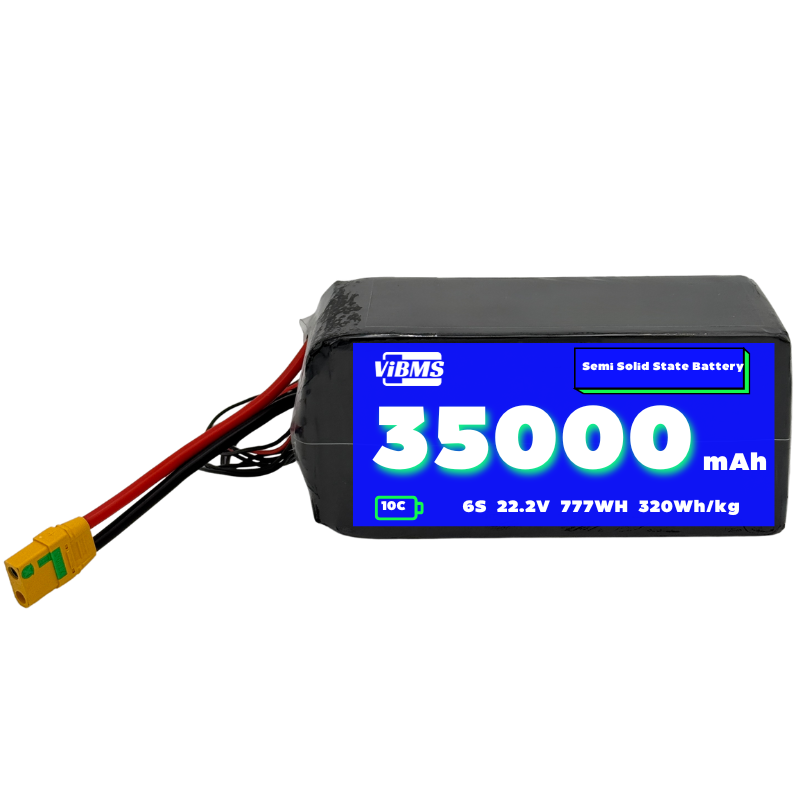
Os usuários de drones muitas vezes enfrentam incertezas sobre quanto tempo seu drone permanecerá no ar. Avaliar mal a duração da bateria durante o voo pode levar a acidentes, equipamento perdido, ou missões arruinadas. Compreender a duração da bateria do drone no mundo real ajuda a um melhor planejamento e uma operação mais segura.
A vida útil da bateria do drone varia de acordo com o tipo e caso de uso. A maioria dos drones de consumo dura de 20 a 40 minutos com uma única carga. Os modelos industriais e empresariais podem operar por 1–2 horas. Drones experimentais com tecnologia híbrida ou solar podem voar por várias horas. Uso, carga útil1, e tipo de bateria, toda a duração do impacto.
Eu trabalho com baterias de drones todos os dias, então vejo como pequenas escolhas fazem grandes diferenças no tempo de voo. Vou detalhar os fatores-chave de uma forma simples e usar números reais, então a lógica permanece clara tanto para pilotos amadores quanto para usuários profissionais.
Quais fatores afetam vida útil da bateria do drone2?
Muitos presumem que a vida útil da bateria depende apenas do tamanho da bateria. Ignorando variáveis críticas como carga útil, resistência ao vento, ou eficiência do motor3 pode reduzir drasticamente o tempo de voo. Conhecer todos os fatores de influência ajuda a otimizar o tempo de voo e evitar falhas dispendiosas.
A vida útil da bateria do drone depende de peso do drone4, carga útil, tipo de motor, velocidade de voo5, química da bateria6, e fatores ambientais7 como temperatura e vento. Cargas úteis maiores e voos de alta velocidade consomem mais energia. Motores eficientes e avançados sistemas de gerenciamento de bateria8 pode prolongar significativamente a duração útil da bateria.
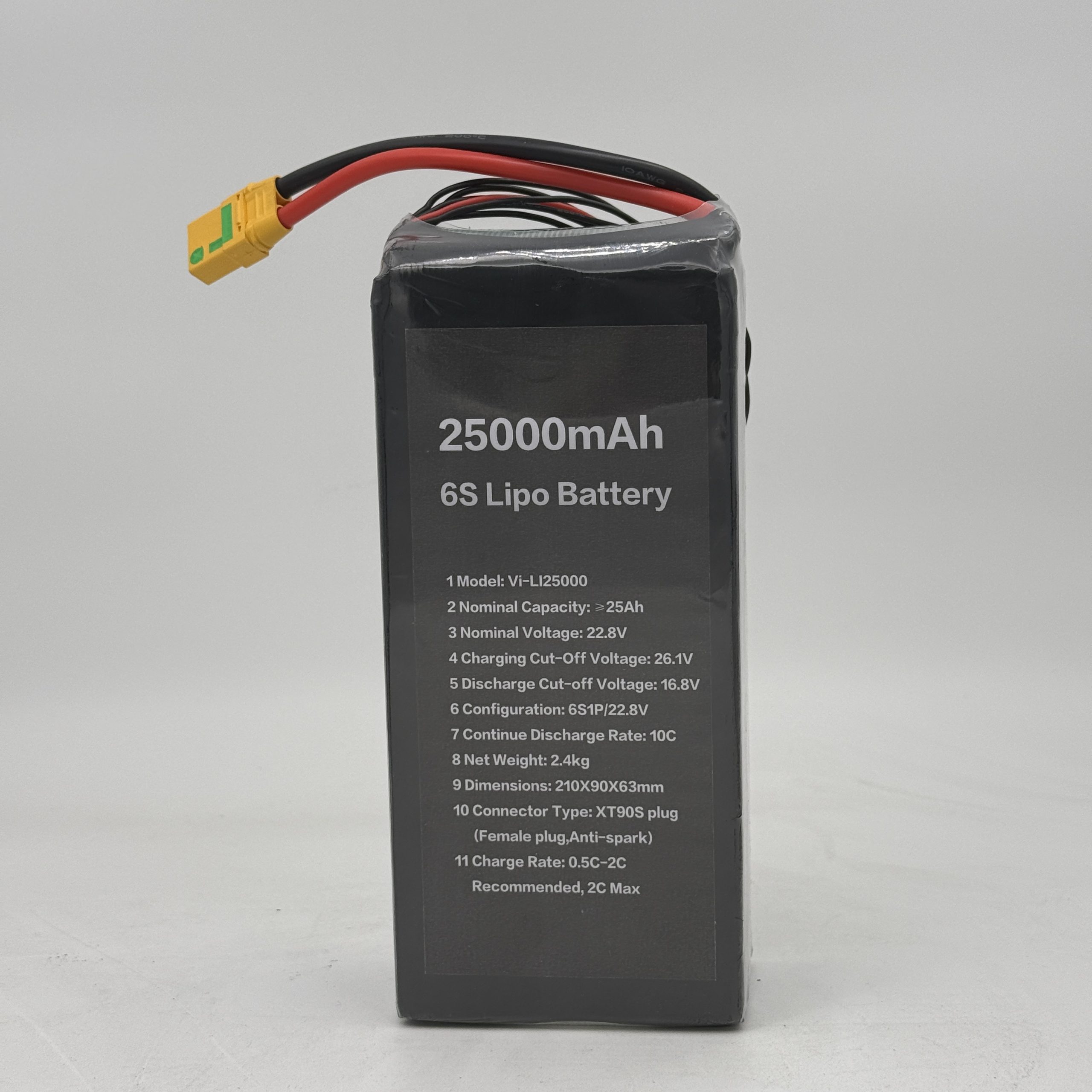
Eu quero ir mais fundo agora. Vou examinar cada fator passo a passo, usar matemática simples, e mostrar como pequenas mudanças na configuração ou no comportamento alteram o tempo de voo e o longo prazo saúde da bateria9.
Principais fatores técnicos que controlam o tempo de voo
Quando planejo um sistema de energia de drone, Eu sempre começo com alguns parâmetros principais.
1. Capacidade da bateria e energia utilizável
A capacidade da bateria me diz quanta carga o pacote pode armazenar.
- Unidade de capacidade: miliamperes-hora (mAh) ou amp-hora (Ah)
- 1 Ah = 1000 mAh
Para usar capacidade em fórmulas, Eu converto mAh em Ah.
Exemplo:
- Uma bateria tem 5000 CapacidademAh
- Em Ah, isso é 5000 ÷ 1000 = 5 Ah
eu nunca uso 100% de capacidade em voo real. Para proteger células LiPo ou Li-ion, Eu normalmente uso apenas cerca de 80% de capacidade nominal.
Então eu defino:
- Capacidade utilizável (Ah) = Capacidade nominal (Ah) × 0.8
Exemplo 1: capacidade utilizável
- Bateria: 4S 5000 mAh (5 Ah)
- Capacidade utilizável = 5 Ah × 0.8 = 4 Ah
Se o empate atual médio10 do drone é 20 UM, então a estimativa básica do tempo de voo é:
- Tempo de voo (horas) = Capacidade utilizável (Ah) ÷ Corrente média (UM)
- Tempo de voo (horas) = 4 ÷ 20 = 0.2 horas
- Tempo de voo (minutos) = 0.2 × 60 = 12 minutos
Portanto, esta configuração dá cerca de 12 minutos em condições ideais.
Eu uso muito essa fórmula porque é simples e precisa o suficiente para planejar.
2. Contagem de células e tensão11 (Classificação S)
Baterias de drones LiPo e Li-ion usam “S” para mostrar a contagem de células em série.
- 1S = 1 célula
- 4S = 4 células
- 6S = 6 células
Uma típica célula LiPo:
- Totalmente carregado: 4.2 V
- Armazenar: sobre 3.8 V
- Mínimo seguro sob carga: sobre 3.5 V por célula
A tensão nominal é geralmente 3.7 V por célula. Portanto, um pacote 4S tem:
- Tensão nominal ≈ 4 × 3.7 = 14.8 V
Tensão mais alta (mais células em série) não adiciona energia por si só se a capacidade permanecer a mesma, mas uma tensão mais alta permite que o sistema consuma menos corrente para a mesma potência. Corrente mais baixa pode reduzir perdas em fios e ESC, então o tempo real de voo pode melhorar.
Relação de poder:
- Poder (C) = Tensão (V) × Atual (UM)
Se o drone precisar 300 W para pairar:
- Existem 4S (14.8 V): Atual ≈ 300 ÷ 14.8 ≈ 20.3 UM
- Existem 6S (22.2 V): Atual ≈ 300 ÷ 22.2 ≈ 13.5 UM
Corrente mais baixa proporciona menos calor e menos queda de tensão, para que eu possa usar a capacidade com mais eficiência.
3. Peso da bateria e peso total do drone
Cada grama importa. Uma bateria maior oferece mais capacidade, mas também adiciona peso. Mais peso significa mais impulso necessário para pairar, então os motores consomem mais corrente.
Eu sempre olho para todo o sistema:
- Quadro de drone
- Motores
- ESC
- Controlador de voo
- Bateria
- Câmera, cardan, carga útil
Se eu aumentar o peso da bateria em 100 g, o drone pode precisar de 10 a 20% mais corrente para pairar. Isso pode apagar parte ou toda a capacidade extra.
Exemplo 2: compensação de peso
Caso A:
- Bateria: 4S 3000 mAh (3 Ah)
- Peso da bateria: 250 g
- Consumo médio atual: 15 UM
Capacidade utilizável: 3 × 0.8 = 2.4 Ah
Tempo de voo:
- Horas: 2.4 ÷ 15 = 0.16 h
- Minutos: 0.16 × 60 ≈ 9.6 min
Caso B:
- Bateria: 4S 5000 mAh (5 Ah)
- Peso da bateria: 400 g (150 g mais pesado)
- Devido ao peso extra, o consumo médio de corrente aumenta para 21 UM
Capacidade utilizável: 5 × 0.8 = 4 Ah
Tempo de voo:
- Horas: 4 ÷ 21 ≈ 0.19 h
- Minutos: 0.19 × 60 ≈ 11.4 min
Então eu ganho menos do que 2 minutos, mas eu carrego uma mochila muito mais pesada. Para algumas missões isso é bom, mas para vôos ou corridas ágeis é uma má troca.
4. Classificação C12 e entrega atual
A classificação C me diz quanta corrente a bateria pode fornecer com segurança. É um multiplicador de capacidade.
Fórmula:
- Corrente contínua máxima (UM) = Capacidade (Ah) × Classificação C
Exemplo:
- Bateria: 4S 1500 mAh (1.5 Ah), 75C
- Corrente máxima = 1.5 × 75 = 112.5 UM
Eu raramente vou até o limite C impresso. A verdadeira corrente segura é frequentemente mais baixa. Prefiro projetar para 50–70% da corrente máxima impressa para longa vida útil.
Se o drone frequentemente se aproxima ou acima do C seguro, o pacote esquenta, afundamentos de tensão, e envelhece rápido. O tempo de voo diminui após apenas alguns ciclos.
5. Motor, hélice, e eficiência
O sistema de energia tem grande influência na vida útil da bateria:
- Tensão do motor: Alta kV usa mais corrente na mesma tensão.
- Tamanho e passo do adereço: Adereços de passo maior ou mais alto puxam mais corrente.
- Qualidade do motor: Bons motores funcionam mais suavemente e desperdiçam menos energia na forma de calor.
Eu combino motores, adereços, e tensão da bateria para que a corrente de flutuação permaneça baixa e a corrente de pico permaneça bem abaixo da classificação C contínua.
Eu olho os dados de teste do motor do fabricante. Eu verifico o consumo de corrente em diferentes níveis de aceleração e tamanhos de hélices. Isso me ajuda a escolher um combo que dê impulso suficiente sem usar amplificadores malucos.
Mesa: Principais fatores que afetam a vida útil da bateria do drone
| Fator | O que é isso | Como isso afeta o tempo de voo |
|---|---|---|
| Capacidade (mAh / Ah) | Carga total armazenada | Maior capacidade pode aumentar o tempo de voo |
| Tensão / Contagem de células (S) | Nível de tensão do pacote | Tensão mais alta pode melhorar a eficiência |
| Peso total | Drone + bateria + carga útil | Peso maior aumenta o consumo de corrente |
| Classificação C | Taxa máxima de descarga segura | C muito baixo causa flacidez, aquecer, e danos |
| Motor + eficiência da hélice | Quão bem a potência se transforma em impulso | Melhor eficiência proporciona maior tempo de voo |
| Estilo voador | Suave vs agressivo | Hard acro usa muito mais corrente |
| Clima | Vento, temperatura, densidade do ar | O tempo frio ou ventoso reduz o desempenho |
| Idade e saúde da bateria | Contagem de ciclos, histórico de armazenamento | Pacotes antigos ou abusados têm menos capacidade utilizável |
Fatores humanos: estilo voador13 e hábitos
Vejo uma enorme diferença entre dois pilotos usando o mesmo drone e bateria.
- Um piloto calmo voa em linhas suaves, mantém o acelerador baixo, e evita socos a todo vapor.
- Um piloto de estilo livre faz cambalhotas constantes, rolos, e subidas a todo vapor.
O segundo piloto pode reduzir o tempo de voo pela metade em comparação com o primeiro. A bateria não muda. Apenas mudanças de comportamento.
Eu também vejo hábitos como:
- Decolando com uma bateria parcialmente carregada.
- Ignorando avisos de baixa tensão.
- Aterrissando com células em 3.2 V ou menos.
Esses hábitos encurtam o ciclo de vida. Depois de algumas semanas, o mesmo pacote contém menos energia, então o tempo de voo cai ainda mais.
Ambiente e condições
Três fatores ambientais principais são importantes para a vida útil da bateria.
1. Temperatura
Células LiPo e Li-ion não gostam de clima frio. Em baixa temperatura, a resistência interna aumenta. Isso causa:
- Mais queda de tensão sob carga
- Menor capacidade utilizável
Se eu voar no inverno, um pacote que dá 15 minutos no verão podem dar apenas 10-12 minutos. Eu mantenho as mochilas aquecidas antes do voo, por exemplo, em um bolso interno ou bolsa isolada.
Temperatura muito alta também faz mal. Acelera o envelhecimento químico. Eu nunca deixo as mochilas ficarem em um carro quente ou sob o sol direto por muito tempo.
2. Vento
O vento forte força o drone a trabalhar mais para manter a posição. Os motores devem girar mais rápido e se ajustar constantemente. O sorteio atual aumenta, então o tempo de vôo diminui.
Se minha missão é crítica, Eu sempre planejo um tempo de voo mais curto quando o vento está forte.
3. Altitude e densidade do ar
Em alta altitude, o ar é mais rarefeito. Os adereços devem girar mais rápido para produzir o mesmo impulso. Isso significa mais atualidade e menos tempo de voo.
Isso é mais importante para drones com câmeras pesadas do que para pequenos gritos, mas ainda considero isso para trabalho na montanha.
Saúde da bateria e ciclo de vida
A “vida” da bateria do drone tem dois significados:
- Tempo de voo por carga
- Número de ciclos antes que o pacote se torne inutilizável
Os mesmos fatores que reduzem o tempo de voo por carga também reduzem o ciclo de vida.
Maus hábitos incluem:
- Descarga excessiva (voando até que as células caiam abaixo de cerca de 3,3–3,4 V sob carga)
- Sobrecarga (cobrando acima 4.2 V por célula para LiPo normal)
- Alto estado de armazenamento (mantendo as embalagens cheias por muitos dias)
- Alta temperatura durante o uso ou armazenamento
Para manter um bom tempo de voo ao longo de muitos ciclos, Eu tento:
- Cobrar para 4.2 V por célula para LiPo normal.
- Aterre quando a tensão de repouso estiver em torno de 3,6–3,7 V por célula.
- Armazene os pacotes perto 3.8 V por célula.
- Evite deixar mochilas em locais quentes.
Estas regras simples mantêm a perda de capacidade lenta, então meu tempo de voo permanece estável por muitos meses.
Vou comparar duas configurações comuns para um drone FPV de 5 polegadas.
Configuração A: Pacote leve, C alto
- Bateria: 6S 1100 mAh (1.1 Ah), 120C
- Peso: 180 g
- Consumo médio atual: 25 UM (estilo livre)
Capacidade utilizável: 1.1 × 0.8 = 0.88 Ah
Tempo de voo:
- Horas: 0.88 ÷ 25 = 0.0352 h
- Minutos: 0.0352 × 60 ≈ 2.1 min
Este é um vôo muito agressivo, então o tempo de vôo é curto.
Configuração B: Pacote maior, corrente moderada
- Bateria: 6S 1500 mAh (1.5 Ah), 100C
- Peso: 230 g
- Consumo médio atual: 22 UM (estilo mais suave, um pouco mais de peso)
Capacidade utilizável: 1.5 × 0.8 = 1.2 Ah
Tempo de voo:
- Horas: 1.2 ÷ 22 ≈ 0.0545 h
- Minutos: 0.0545 × 60 ≈ 3.3 min
Eu ganho mais de um minuto extra, que é um 50% aumentar. Para estilo livre, esta é uma grande mudança. Mas o drone parece mais pesado e menos ágil. Devo escolher com base no meu objetivo de voo.
Quando planejo um novo drone ou tento melhorar um já existente, Eu sigo este processo simples:
- Eu listo minha missão: corrida, estilo livre, cinematográfico, mapeamento, inspeção.
- Eu estimo o tempo de voo alvo.
- Eu escolho a combinação de motor e hélice que dá impulso suficiente com boa eficiência.
- Eu escolho uma voltagem de bateria (S) que mantém a corrente razoável.
- eu testo com um capacidade da bateria14, medir a corrente média, e calcular o tempo de voo.
- Tento uma mochila um pouco mais pesada e verifico se o tempo extra vale o peso extra.
- Eu ajusto meu estilo de vôo e carga útil para atingir o alvo.
Quando vejo a duração da bateria do drone nesta imagem completa, Eu paro de culpar apenas o bando. Eu trato a bateria, drone, e piloto como um sistema, e é assim que consigo um tempo de voo estável e previsível.
Quanto tempo dura em média a bateria de um drone?
Novos usuários de drones costumam superestimar a capacidade da bateria. Isso pode resultar em missões interrompidas, equipamento danificado, ou coleta de dados incompleta. Uma média clara dá expectativas realistas e melhora o planejamento de voo.
Em média, a maioria dos drones de consumo oferece de 20 a 30 minutos de voo por carga completa. Modelos avançados como a série DJI Mavic podem atingir até 40 minutos. Drones industriais com baterias maiores normalmente duram de 60 a 120 minutos, dependendo do modelo e das condições.
Vou agora explicar esses intervalos de forma clara e estruturada. eu vou quebrar tipos de drones15, dê exemplos reais, e mostrar como estimo o tempo médio de voo com matemática simples que qualquer piloto pode usar.
Tempo médio de voo por categoria de drone
Eu trabalho com muitos usuários de drones diferentes, de pilotos FPV a equipes de mapeamento industrial. Vejo grandes diferenças no tempo de voo, mesmo quando as embalagens têm capacidade semelhante no rótulo. Então, primeiro agrupo os drones em casos de uso amplos.
Eu uso essas categorias:
- Drones de câmera de brinquedo e para iniciantes
- Micro FPV e gritos
- 5-polegadas FPV freestyle e drones de corrida
- Drones FPV de longo alcance (frequentemente com íon-lítio)
- Drones de câmera de consumo (por exemplo. fotografia e vídeo 4K)
- Drones profissionais de mapeamento e inspeção
Darei intervalos típicos que vejo no trabalho real e que correspondem aos dados da comunidade.
Mesa: Tempo médio típico de voo por tipo de drone
| Tipo de drone | Tipo de bateria típico | Capacidade típica (por pacote) | Tempo médio de voo por pacote* |
|---|---|---|---|
| Brinquedo / drones de câmera para iniciantes | 2S-3S LiPo pequeno | 500–1500mAh | 5–12 minutos |
| Pequenos gritos / micro FPV (1S–3S) | 1S-3S LiPo ou LiHV | 260–850mAh | 3–6 minutos |
| 5″ FPV estilo livre / corrida | 4S ou 6S LiPo | 1000–1500mAh | 3–7 minutos |
| FPV de longo alcance (abaixo de 250g / 4–7″) | 4S-6S Li-ion ou LiPo de alta capacidade | 3000–4000mAh (íon de lítio) | 15–30+ minutos |
| Drones de câmera de consumo | Pacotes LiPo inteligentes (3S–4S, HV em alguns) | 2500–5000+mAh | 20–40+ minutos |
| Mapeamento profissional / inspeção | LiPo/Li-ion multi-pack de alta tensão | 5000–10.000+mAh | 25–45+ minutos |
Esses valores assumem vôo normal, sem vento extremo, e baterias em boas condições. Testes comunitários e compilações de longo alcance geralmente relatam 30 minutos com configurações de íons de lítio bem ajustadas em quadriciclos sub-250g ou leves de longo alcance. 4S/6S típico de 5 polegadas 1500 Quads de estilo livre de mAh proporcionam cerca de 3 a 4 minutos de vôo intenso com 20 a 30% da capacidade restante na mochila.
Gosto de tratar esses números como pontos de partida. Depois de testar uma compilação específica, Eu atualizo o tempo de voo “médio” real daquele drone e o registro.
Como transformo capacidade e corrente em tempo médio de voo
Eu uso uma fórmula simples em quase todos os projetos:
Tempo de voo (minutos) ≈ (Capacidade (Ah) × 0.8 ÷ Corrente média (UM)) × 60
Passos:
- eu converto mAh16h](https://www.rapidtables.com/convert/charge/mah-to-ah.html)[^17] para Ah:
- Ah =mAh÷ 1000
- Eu multiplico por 0.8 para usar apenas 80% de capacidade, para proteger a bateria.
- Eu divido pelo consumo médio de corrente em amperes.
- Eu multiplico por 60 para obter minutos.
Esta fórmula não se preocupa com o tipo de drone. Ele só se preocupa com quantos amperes-hora eu posso realmente usar e quantos amperes o drone normalmente consome.
Eu uso uma configuração 6S típica de 5 polegadas:
- Bateria: 6S 1100 mAh Lipo17
- Capacidade em Ah: 1100 ÷ 1000 = 1.1 Ah
- Capacidade utilizável: 1.1 × 0.8 = 0.88 Ah
Para estilo livre agressivo, Muitas vezes vejo corrente média em torno de 25–30 A. Muitos testes comunitários relatam que um 1500 O pacote mAh Ah fornece cerca de 3–4 minutos, que corresponde a este intervalo atual. eu vou usar 25 Um aqui.
Agora eu calculo:
- Tempo de voo (horas) = 0.88 ÷ 25 = 0.0352 horas
- Tempo de voo (minutos) = 0.0352 × 60 ≈ 2.11 minutos
Se o piloto voar um pouco mais suavemente e mantiver a corrente próxima de 18–20 A, então:
- 0.88 ÷ 20 = 0.044 horas
- 0.044 × 60 = 2.64 minutos
E com um vôo ainda mais relaxado em 15 UM:
- 0.88 ÷ 15 = 0.0587 horas
- 0.0587 × 60 ≈ 3.52 minutos
Então posso ver como o estilo de voo muda a “média” tempo de voo18 por mais de 50%, com a mesma bateria e mesmo quad.
Agora vejo uma configuração típica de longo alcance com íons de lítio:
- Pacote: 4S 3000 Íon-lítio mAh
- Capacidade em Ah: 3000 ÷ 1000 = 3 Ah
- Capacidade utilizável: Eu ainda uso por aí 80%, mas às vezes eu uso 85% para íons de lítio em construções de longo alcance. Aqui eu uso 0.8:
- Utilizável = 3 × 0.8 = 2.4 Ah
Com um quad de longo alcance bem ajustado, a corrente média pode ser tão baixa quanto 6–8 A em cruzeiro. Muitos testes mostram tempos de voo em torno de 25 a 30 minutos com esses pacotes em veículos leves de 4 a 5 polegadas. drones de longo alcance19.
Se eu usar 7 A como média:
- Tempo de voo (horas) = 2.4 ÷ 7 ≈ 0.3429 horas
- Tempo de voo (minutos) = 0.3429 × 60 ≈ 20.57 minutos
Se eu conseguir manter a corrente média mais próxima de 5 UM:
- Tempo de voo (horas) = 2.4 ÷ 5 = 0.48 horas
- Tempo de voo (minutos) = 0.48 × 60 = 28.8 minutos
Portanto, o tempo “médio” de voo pode ficar em algum lugar na faixa de 20 a 30 minutos, dependendo da melodia, clima, e estilo de vôo.
Por que o tempo de voo do fabricante e o tempo de voo real são diferentes
Muitos usuários de drones com câmera me perguntam por que o drone nunca atinge o tempo de vôo completo impresso na caixa. Esta é uma boa pergunta, e a resposta é importante para o planejamento.
Os fabricantes geralmente testam em condições muito suaves:
- Vento ausente ou muito fraco
- Nível do mar ou altitude moderada
- Voo suave para frente ou pairar, sem modo esportivo
- Sem cargas úteis, como flashes extras ou filtros pesados
- Bateria nova em boa temperatura
Com essas condições, o drone pode usar menos corrente do que em uso real. Então o tempo de voo fica muito bom no material de marketing.
Na vida real, Eu vejo diferenças porque:
- Muitas vezes voo no vento e preciso lutar contra rajadas.
- Eu uso modos esportivos ou movimentos mais rápidos.
- Eu vôo com filtros, estroboscópios, ou outros acessórios.
- Minhas baterias nem sempre são novas.
Portanto, se um drone for classificado para “até 34 minutos”, Normalmente planejo cerca de 22 a 26 minutos de segurança, voo repetível. Eu também mantenho uma margem de pouso, então costumo pousar com 20-25% de bateria restante para proteger a bateria. Isso significa que meu “tempo médio útil” em um trabalho pode ser ainda menor do que o número anunciado.
LiPo versus íon de lítio20 contra LiHV21 em tempo médio de voo
Agora comparo três produtos químicos comuns no uso de drones:
- LiPo padrão
- íon de lítio (18650 / 21700 pacotes)
- LiHV (LiPo de alta tensão)
Lipo
As baterias LiPo têm:
- Alta taxa de descarga (classificação C alta)
- Boa entrega de potência para acro e corridas
- Moderado densidade de energia22
Eles são ideais para quadriciclos que precisam de fortes explosões de energia. Para tempo médio de voo:
- Freestyle e quadriciclos de corrida: cerca de 3–7 minutos
- Alguns drones de câmera: 20–30+ minutos com pacotes grandes e eficientes
Pacotes LiPo também envelhecem com ciclos, mas uma embalagem bem tratada pode durar de 150 a 300 ciclos antes que a capacidade caia muito.
íon de lítio
Os pacotes de íons de lítio têm:
- Densidade de energia muito maior (mais Wh por grama)
- Taxa de descarga muito menor (classificação C baixa)
- Corrente máxima inferior, mas entrega total de energia mais longa
Eles são adequados para cruzeiros de longo alcance, onde a corrente média é baixa e constante. Os testes comunitários mostram frequentemente que o Li-ion pode duplicar o tempo de voo efectivo em comparação com o LiPo de peso semelhante para uma utilização lenta e de longo alcance., com voos próximos ou acima 30 minutos em configurações de luz.
Para minhas construções de longo alcance, Muitas vezes vejo:
- 4–7″ FPV de longo alcance: 20–35 minutos por pacote
LiHV
LiHV (LiPo de alta tensão) pacotes permitem carregar até cerca 4.35 V por célula em vez de 4.2 V. Eles fornecem:
- Energia ligeiramente superior para a mesma capacidade e tamanho
- Tempo de voo um pouco mais longo, especialmente em micro drones
Os testes mostraram que o LiHV pode proporcionar mais tempo de voo, mas pode degradar-se mais rapidamente do que o LiPo padrão. Eu os uso quando quero desempenho máximo em quadriciclos pequenos e aceito uma vida útil mais curta.
Como envelhecimento da bateria23 altera a vida útil “média”
Quando falo sobre tempo de voo “médio”, Devo também falar sobre a idade. Uma nova embalagem e uma embalagem de 100 ciclos raramente têm o mesmo desempenho.
O envelhecimento da bateria reduz:
- Capacidade verdadeira (Ah)
- Capacidade de fornecer alta corrente sem queda de tensão
Se um pacote perder 15–20% de sua capacidade original após muitos ciclos, o tempo médio de voo cai em uma porcentagem semelhante, mesmo que meu estilo de vôo permaneça o mesmo.
Volto ao exemplo do íon de lítio de longo alcance:
- Nova capacidade utilizável do pacote: 2.4 Ah
- Corrente média: 7 UM
- Tempo de voo: sobre 20.6 minutos
Depois de muitos ciclos, suponha que o pacote perca 15% capacidade:
- Nova capacidade utilizável = 2.4 × (1 - 0.15) = 2.04 Ah
Então:
- Tempo de voo (horas) = 2.04 ÷ 7 ≈ 0.2914 horas
- Tempo de voo (minutos) ≈ 0.2914 × 60 ≈ 17.5 minutos
Portanto, meu tempo “médio” de voo cai cerca de 3 minutos. Se eu registrar meus voos, Vejo esse declínio lento ao longo dos meses. Isso me ajuda a saber quando retirar um pacote de missões críticas.
Por que falo sobre intervalos, nem um número fixo
Quando alguém me pergunta “Quanto tempo dura em média a bateria de um drone?”, Agora evito respostas simples como “15 minutos”. Eu prefiro um curto alcance vinculado a uma categoria específica, como:
- 5-polegada freestyle quad: cerca de 3–5 minutos de voar duro
- Quad leve de longo alcance: 20–30 minutos em cruzeiro calmo
- Drone moderno com câmera sub-250g: 25–35 minutos em uso normal com pacotes LiPo inteligentes.
Minha média real para um determinado drone vem de:
- Projeto cuidadoso de capacidade, tensão, e peso.
- Medição de corrente em voo pairado e voo típico.
- Registrando tempos de voo realistas no uso diário.
Quando eu uso esse método, Posso planejar missões com confiança. Eu sei quanto tempo meu drone vai realmente ficar no ar, não apenas o que a folha de especificações promete.
Qual marcas de drones24 oferecem a maior duração da bateria?
Nem todas as marcas de drones são iguais no que diz respeito ao desempenho da bateria. Escolher o modelo errado pode limitar suas capacidades de voo ou exigir recargas frequentes. Conhecer as marcas de melhor desempenho permite melhores decisões de compra.
DJI25 lidera o mercado com drones como o Matrice 350 RTK oferecendo até 55 minutos. Autel Robótica26' EVO Max também oferece desempenho duradouro. Parrot e Freefly Systems fabricam drones industriais com bateria com duração superior 1 hora. A capacidade da bateria e a eficiência do peso definem o desempenho da marca.
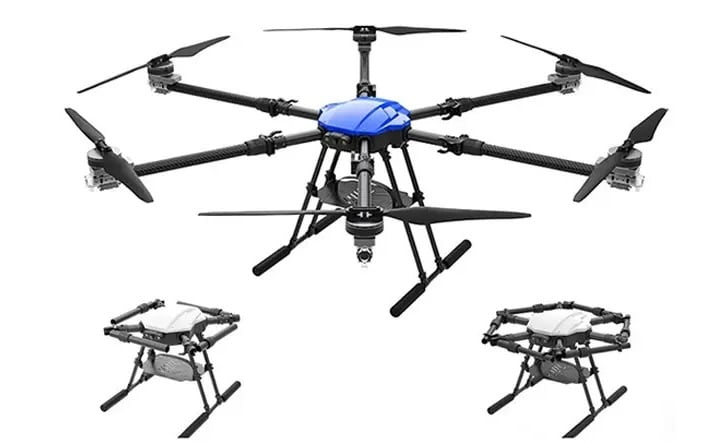
Não vou apenas listar nomes. Vou explicar como comparo marcas, como suas escolhas de design afetam a vida útil da bateria, e como eu faço um simples, decisão honesta quando escolho um drone para missões longas.
Como comparo marcas quanto à duração da bateria
Quando comparo marcas, Eu não leio apenas “tempo máximo de voo” na página de especificações. Eu sempre me faço três perguntas.
- Qual o tamanho da bateria watt-hora27 (O que)?
- Qual é o peso do drone e da bateria juntos?
- Quão eficiente é o sistema (motores, adereços, aerodinâmica, programas)?
Também vejo relatórios de usuários reais. Eu tento ver:
- “Tempo de voo específico” em minutos.
- “Tempo de voo real do usuário” em uso normal.
- A lacuna entre eles.
O parâmetro chave é energia em watts-hora28 (O que).
Eu uso uma fórmula simples:
Energia (O que) = Tensão (V) × Capacidade (Ah)
Muitas vezes não vejo Wh impresso claramente em algumas embalagens, mas posso calcular a partir da classificação S e mAh.
Exemplo simples de Wh
Imagino uma bateria de drone inteligente:
- 4S-LiPo
- Tensão nominal: 14.8 V
- Capacidade: 5000 mAh
Capacidade em Ah:
- 5000 mAh÷ 1000 = 5 Ah
Energia:
- 14.8 V × 5 Ah = 74 O que
Agora posso comparar isso com outra marca que talvez use um pack 3S ou 4S com capacidade diferente. Wh me diz quanta energia há a bordo, não importa qual voltagem.
DJI: foco na eficiência e no longo tempo de voo
Nos últimos anos, Tenho visto DJI se esforçar muito para prolongar o tempo de voo a cada nova geração. Muitos de seus drones com câmeras mostram tempos de voo acima 30 minutos, e os mais novos carros-chefe vão acima 45 ou mesmo ao redor 50 minutos em testes ideais.
DJI chega a isso com várias opções:
- Motores e adereços muito eficientes que correspondem ao peso do drone.
- Baterias Smart LiPo com boa densidade de energia.
- Controle de vôo suave e gerenciamento de energia.
- Boa aerodinâmica dos braços, corpo, e cardan.
No trabalho real, Muitas vezes vejo esse padrão:
- Mini drones abaixo de 250 g: cerca de 20 a 30 minutos de voo real e seguro, às vezes mais com baterias “Plus” maiores.
- Drones de câmera de tamanho médio: cerca de 25 a 35 minutos de voo real em uso misto.
- Novos modelos emblemáticos: tempos úteis reais próximos a 35-45 minutos quando os pilotos voam em condições normais, não extremo, caminhos.
DJI também tem uma grande vantagem em gerenciamento inteligente de bateria. O drone e a bateria conversam entre si. Eles podem estimar o tempo restante do voo, mostrar uma porcentagem clara, e acionar o retorno para casa antes que a bateria fique muito fraca. Isso não altera a energia bruta, mas me ajuda a usar essa energia de uma forma mais segura.
Altar, Skydio, e marcas mais recentes com bateria de longa duração
Eu também acompanho Autel bem de perto. Drones Autel como o EVO Lite e EVO Lite Plus usam pacotes de alta capacidade e designs eficientes. Costumo ver tempos de voo avaliados em torno de 35 a 40 minutos. No campo, muitos pilotos relatam tempos de voo reais acima de 25 a 30 minutos em condições calmas.
Skydio segue outro caminho. Skydio se concentra mais no rastreamento de IA e na prevenção de obstáculos. Essa pesada carga de computação consome energia extra. Mesmo com baterias eficientes, isso pode reduzir a resistência bruta em comparação com um drone de câmera mais simples. Mas o Skydio ainda consegue tempos de voo sólidos na classe de 30 a 40 minutos em alguns modelos quando usado em condições normais., não extremo, modos de rastreamento.
Agora também vejo novos jogadores e modelos especiais com forte resistência:
- Alguns drones de asa fixa ou VTOL de longo alcance para mapeamento e inspeção.
- Algumas marcas de nicho que reivindicam mais 40 minutos com baterias grandes.
- Novos drones com câmera 360° que tentam igualar DJI e Autel em resistência, ao mesmo tempo em que adicionam processamento pesado e dois sensores.
Essas marcas às vezes usam baterias muito grandes, muitas vezes perto dos limites das companhias aéreas 99 Quanto por pacote, ou eles usam vários pacotes em paralelo. Isso pode aumentar o tempo de voo, mas o drone fica mais pesado e menos portátil.
Por que “marca com bateria de maior duração” não é uma simples vencedora
Muitas pessoas me perguntam: “Qual marca é melhor para a duração da bateria, DJI ou Autel ou outra pessoa?”Eu sempre respondo com cuidado.
Separei duas ideias:
- Vida útil da bateria por pacote (quanto tempo uma bateria mantém o drone no ar).
- Vida útil da bateria por quilograma (quantos minutos recebo por kg de sistema).
Um drone com uma bateria enorme pode durar “mais de 50 minutos”. Mas pode ser muito pesado, difícil viajar com, e mais complexo para voar. Outro drone pode voar “apenas” 30 minutos, mas pode pesar muito menos e ainda assim ser melhor para muitos trabalhos.
Eu também penso tipo de missão:
- Se eu fizer voos curtos para inspeção ou conteúdo de mídia social, Posso não precisar de tempo de voo extremo por pacote. Posso carregar mais baterias.
- Se eu fizer longas tarefas de mapeamento ou levantamentos de grandes áreas, Posso querer resistência máxima, mesmo que o drone seja maior e mais caro.
- Se eu fizer fotos dinâmicas ou no estilo FPV, a duração pura da bateria não é meu primeiro objetivo. Eu me importo mais com a resposta de energia.
Então eu não escolho uma marca apenas pelo tempo máximo de voo. Eu escolho pela mistura de resistência, qualidade de imagem, confiabilidade, peso, e preço.
Como vejo as principais classes de marcas em termos de duração da bateria
Nesta tabela, Eu não listo modelos exatos, porque eles mudam rapidamente. Mostro como vejo a marca foco típico de resistência na câmera e no espaço do prosumer.
| Classe de marca | Foco na resistência | Classe emblemática típica* | Minha visão geral sobre a duração da bateria |
|---|---|---|---|
| Consumidor DJI / prosumidor | Muito forte, foco principal com cada geração | 40–50+ min avaliados em novos carros-chefe | Muitas vezes a melhor combinação de eficiência, bateria inteligente, e alcance |
| Drones com câmera Autel | Forte, perto do DJI em muitos modelos | 35–40+ min avaliado em Lite / Classe máxima | Alternativa muito boa com resistência sólida |
| Skydio e focado em IA | Bom, mas compartilha o orçamento com IA pesada | 30–40 min de aula em alguns modelos | A resistência é boa, mas o foco principal é a autonomia |
| Marcas de menor orçamento | Misturado; alguns afirmam grandes números | Frequentemente avaliado em 20 a 30 minutos | As especificações podem parecer boas, mas os tempos reais podem ser menores |
| VTOLs Industriais / asa fixa | Muito forte para mapeamento e levantamento | 60+ min possível em alguns sistemas | Missões longas, mas sistemas maiores e mais complexos |
Aqui me refiro à “classe” porque os nomes e números dos modelos mudam com o tempo.
A partir desta visão, Eu normalmente digo:
- Para puro trabalho de câmera e portabilidade: DJI e Autel lideram em tempo de voo versus peso.
- Para rastreamento e autonomia de IA: Skydio oferece um bom tempo de voo, mas se concentra mais em voos inteligentes do que em minutos brutos.
- Para missões muito longas: Eu olho para sistemas industriais ou de asa fixa, não apenas drones de câmera.
Comparação simples de resistência: dois drones de marca imaginários
Agora mostro um exemplo simples para tornar isso concreto. Imagino dois drones de marcas diferentes:
- Drone A: drone de câmera de última geração da Marca X.
- Drone B: forte concorrente da Marca Y.
Ambos são drones multirotor, não asas fixas.
Drone A (Marca X)
- Bateria: 4S 5200 mAh inteligente LiPo
- Tensão nominal: 14.8 V
- Capacidade: 5200 mAh = 5.2 Ah
Energia:
- O que = 14.8 × 5.2 = 77.0 O que
Peso total de decolagem (com bateria): 900 g
Em vôo suave para a frente sem vento, Presumo que o consumo médio de energia seja:
- 150 C (este é um nível realista para um drone de câmera compacta).
Tempo médio de voo da energia:
- Energia utilizável: presumo que uso 80% para um voo seguro.
- Utilizável Wh = 77.0 × 0.8 = 61.6 O que
- Tempo de voo (horas) = Wh utilizável ÷ Potência (C)
- = 61.6 ÷ 150 ≈ 0.4107 horas
- Tempo de voo (minutos) = 0.4107 × 60 ≈ 24.6 minutos
Então neste modelo, Espero cerca de 24 a 25 minutos de segurança, voo repetível com margem.
Drone B (Conhaque)
- Bateria: 4S 7000 mAh inteligente LiPo
- Tensão nominal: 14.8 V
- Capacidade: 7000 mAh = 7.0 Ah
Energia:
- O que = 14.8 × 7.0 = 103.6 O que
Peso total de decolagem (com bateria maior): 1150 g
Peso maior significa mais potência para permanecer no ar. Presumo que a potência média agora cresça para:
- 190 C
Eu repito os passos:
- Energia utilizável: 103.6 × 0.8 = 82.9 O que
- Tempo de voo (horas) = 82.9 ÷ 190 ≈ 0.4363 horas
- Tempo de voo (minutos) ≈ 0.4363 × 60 ≈ 26.2 minutos
Então o Drone B tem uma bateria muito maior e é mais pesado. Só ganha por aí 1.6 minutos de tempo de voo realmente seguro. Este é um benefício muito pequeno quando penso em custo, peso, e manuseio.
Este exemplo simples mostra como vejo algum marketing de “longo tempo de voo”. A marca pode colocar uma bateria enorme em um drone para mostrar um belo número, mas o ganho real em minutos nem sempre é grande.
Como combino a escolha da marca com missões reais
Quando ajudo um cliente a escolher um drone, Não pergunto apenas “qual marca tem bateria de maior duração”. Eu também pergunto:
- Que tipo de trabalho você faz?
- A que distância você voa do ponto de origem?
- Quantas baterias você carregará?
- Você precisa de sistemas de redundância e bateria dupla?
- Você precisa Rastreamento de IA29 ou autonomia avançada?
Se o objetivo principal for tempo máximo no ar30 por pacote, Eu costumo orientá-los para:
- Drones de câmera de alta eficiência de marcas líderes com baterias inteligentes.
- Ou mapeamento especializado e plataformas industriais com grandes pacotes ou energia híbrida.
Se o objetivo principal for IA forte, controle simples, e segurança, Posso aceitar uma duração de bateria ligeiramente inferior se o drone for muito mais inteligente.
Como posso prolongar a vida útil da bateria do meu drone?
As baterias dos drones degradam-se rapidamente sem os devidos cuidados. A duração mais curta da bateria leva a carregamentos mais frequentes, eficiência reduzida, e custos de reposição mais elevados. Hábitos simples e uso inteligente de tecnologia podem prolongar o desempenho e a vida útil da bateria.
Você pode prolongar a vida útil da bateria do drone evitando descargas completas, não voar em temperaturas extremas, removendo o excesso de carga útil, atualizando firmware, e usando carregamento balanceado. Reduzir a velocidade de voo e evitar manobras agressivas também conserva energia. A calibração regular e o armazenamento adequado prolongam a saúde da bateria ao longo do tempo.
Vejo que essas regras funcionam na vida real. Costumo pilotar o mesmo drone antes e depois de otimizar o peso, adereços, e estilo de vôo. A diferença é real e fácil de sentir. Agora vou compartilhar meu método de uma forma simples, passo a passo e use números claros.
A mentalidade: “menos estresse, mais minutos”
Quando eu quero mais tempo de voo, Eu não começo com a bateria. Eu começo com todo o sistema. Meu objetivo é reduzir o estresse na matilha em todas as fases:
- No banco
- Durante o carregamento
- No ar
- Durante o armazenamento
Menos estresse significa:
- Corrente média inferior
- Corrente de pico mais baixa
- Menos calor
- Envelhecimento mais lento
Isso me dá mais minutos por carga e mais ciclos totais na vida útil da bateria.
Reduzir peso sempre que puder
Cada grama que retiro do drone ajuda a bateria. Oscar Liang frequentemente lembra os pilotos de remover peças extras de TPU, montagens grandes, e acessórios pesados quando desejam maior tempo de voo. Eu vejo a mesma coisa em meus próprios testes.
Qual é o peso do sorteio atual
Se eu aumentar o peso total, os motores devem criar mais impulso. Mais impulso precisa de mais potência:
Poder (C) = Tensão (V) × Atual (UM)
Em uma tensão fixa, mais potência significa mais corrente. Então, mais peso significa mais corrente. Mais corrente esgota a bateria mais rapidamente e aumenta o calor.
Eu uso uma regra simples: mesmo uma redução de peso de 10 a 15% pode me proporcionar um claro aumento no tempo de voo com a mesma bateria.
Eu comparo duas versões do mesmo quad de 5 polegadas:
- Versão A: 650 g peso total
- Versão B: 750 g peso total (extra 100 g de GoPro e TPU)
Ambos usam o mesmo 6S 1500 mAh-LiPo:
- Capacidade: 1500 mAh = 1.5 Ah
- Capacidade utilizável: 1.5 × 0.8 = 1.2 Ah
Dos testes, Eu vejo:
- Versão A corrente média em cruzeiro: 18 UM
- Versão B corrente média em cruzeiro: 23 UM
Agora eu calculo:
Versão A:
- Tempo de voo (horas) = 1.2 ÷ 18 ≈ 0.0667
- Tempo de voo (minutos) ≈ 0.0667 × 60 ≈ 4.0 minutos
Versão B:
- Tempo de voo (horas) = 1.2 ÷ 23 ≈ 0.0522
- Tempo de voo (minutos) ≈ 0.0522 × 60 ≈ 3.1 minutos
Então aquele extra 100 g me custa quase um minuto inteiro. Esta é uma perda de 20 a 25% no tempo de voo com a mesma bateria.
Simples otimização de peso31 mesa
| Componente / mudar | Economia típica (g) | Impacto no tempo de voo |
|---|---|---|
| Remova o suporte TPU GoPro pesado | 30–50g | Ganho perceptível em quadras de 4–5″ |
| Mude para uma câmera mais leve | 20–40g | Bom ganho para estilo livre e longo alcance |
| Use fios mais curtos e uma construção mais limpa | 5–15g | Pequeno, mas ajuda na economia total |
| Remova tiras decorativas de LED | 5–10g | Peso pequeno e pequena economia de energia |
| Use adereços mais leves do mesmo tamanho | 2–8g no total | Um pouco menos de carga, às vezes um voo mais suave |
Quando planejo um vôo longo, Eu removo tudo o que realmente não preciso para essa missão.
Voe com mais suavidade e evite aceleração total constante
Minha mão direita tem um grande efeito na vida útil da bateria. Mesmo com a melhor bateria e a estrutura mais leve, Posso matar o tempo de vôo com movimentos selvagens.
Como o acelerador muda a corrente
Quando eu uso um sensor de corrente32 ou um registro de bateria inteligente, Eu vejo um padrão claro:
- Passe o mouse: corrente mais baixa para o peso determinado
- Voo suave para a frente: geralmente perto de pairar33 atual, às vezes até um pouco mais baixo se o drone deslizar bem
- Subidas agressivas, vira, e aceleração total: picos de corrente duas a três vezes maiores
Se minha corrente média saltar de 12 De um para 20 A por causa do meu estilo, Quase reduzi meu tempo de voo pela metade.
Comparação de estilo simples
Eu uso um 4S 3000 Pacote de íons de lítio mAh de longo alcance:
- Capacidade: 3000 mAh = 3 Ah
- Utilizável: 3 × 0.8 = 2.4 Ah
Caso 1: Cruzeiro calmo em 8 UM:
- Tempo de voo (horas) = 2.4 ÷ 8 = 0.3
- Tempo de voo (minutos) = 0.3 × 60 = 18 minutos
Caso 2: Cruzeiro misto com aceleração total frequente em 14 Uma média:
- Tempo de voo (horas) = 2.4 ÷ 14 ≈ 0.1714
- Tempo de voo (minutos) ≈ 0.1714 × 60 ≈ 10.3 minutos
Então, meus hábitos de bastão por si só removem quase 8 minutos de vôo. A bateria é a mesma. O clima é o mesmo.
Dicas práticas de vôo
Sigo algumas regras simples quando quero mais tempo de voo:
- evito muito subidas a todo vapor34.
- Eu mantenho as mudanças de altitude suaves e graduais.
- Eu voo em uma direção em vez de parar e começar com muita frequência.
- Eu uso uma velocidade mais baixa quando filmei e confio mais no enquadramento do que na velocidade.
Esses hábitos mantêm a corrente média baixa e reduzem o afundamento de tensão.
Escolha o tamanho e a química corretos da bateria
Muitos pilotos pensam que uma bateria maior significa sempre um voo mais longo. Eu sei que isso nem sempre é verdade. Existe um “ponto ideal” onde a capacidade e o peso se equilibram.
Encontrando o ponto ideal para capacidade
Eu uso voos de teste para encontrar esse ponto ideal. Eu começo com um tamanho de bateria. Eu registro o tempo atual e de voo. Então eu testo um pacote um pouco maior e mais pesado. Eu comparo minutos reais.
Se o pacote maior adicionar apenas uma pequena quantidade de tempo de vôo, mas fizer o drone parecer pesado, Eu volto para o tamanho menor.
LiPo vs Li-íon35 para resistência
Oscar Liang explica que os pacotes LiPo são melhores quando preciso de alta corrente e alta classificação C, como FPV estilo livre. Os pacotes de íons de lítio têm densidade de energia muito maior, mas menor taxa de descarga. Eles funcionam bem para cruzeiros de longo alcance.
Regra prática:
- Para corridas e estilo livre: Eu uso Lipo. Eu escolho a capacidade e a classificação C que correspondem à minha corrente de pico.
- Para longo alcance e cruzeiro: Eu costumo usar íons de lítio. Certifico-me de que meu drone consome corrente baixa o suficiente para não sobrecarregar demais as células.
Mantenha a tensão em uma faixa saudável
Correto manipulação de tensão36 é uma das ferramentas mais poderosas que tenho. Afeta o tempo de voo e a vida útil da bateria.
Não descarregue demais durante o vôo
A maioria dos guias LiPo concorda com uma faixa de tensão segura. Uma célula LiPo 1S normal:
- Totalmente carregado: 4.2 V
- Armazenar: sobre 3.8 V
- Mínimo recomendado em voo: cerca de 3,5–3,6 V por célula sob carga, então ele se recupera para cerca de 3,6–3,7 V em repouso.
Se eu empurrar as células para mais perto 3.2 V ou abaixo, Posso aproveitar um pouco mais de tempo de vôo hoje, mas eu cortei o ciclo de vida total. A matilha fica mais fraca e sopra mais rápido. Ao longo do tempo, meu tempo de voo “médio” cai porque o pacote perdeu capacidade.
Então prefiro pousar cedo, não é tarde.
Exemplo: tensão de pouso seguro37 para um pacote 4S
Quero saber minha tensão de pouso segura para um LiPo 4S:
- Alvo por célula sob carga leve: cerca de 3,5–3,6 V
- Então, coloque a tensão sob carga: 4 × 3.5 = 14.0 V para 4 × 3.6 = 14.4 V
Depois de pousar e descansar alguns minutos, a matilha muitas vezes se recupera para:
- Cerca de 3,6–3,7 V por célula
- Portanto, 14,4–14,8 V no total
Defino meu alarme de baixa tensão ou aviso OSD para cerca de 3,5–3,6 V por célula. Isso me dá um sinal claro antes de danificar o pacote.
Armazene na tensão de armazenamento adequada
Muitas fontes e fabricantes de baterias dizem que os pacotes LiPo duram mais se eu os armazenar em cerca de 3,7–3,85 V por célula, não cheio. Oscar Liang e muitos pilotos de FPV também seguem esta regra.
Eu uso uma tabela simples para tensões de armazenamento:
| Tipo de pacote | Células (S) | Alvo por célula (V) | Tensão total de armazenamento (aprox.) |
|---|---|---|---|
| 1S | 1 | 3.7–3,85 | 3.7–3,85V |
| 2S | 2 | 3.7–3,85 | 7.4–7,7V |
| 3S | 3 | 3.7–3,85 | 11.1–11,55V |
| 4S | 4 | 3.7–3,85 | 14.8–15,4V |
| 6S | 6 | 3.7–3,85 | 22.2–23,1V |
Muitos carregadores inteligentes têm um modo de “armazenamento” que carrega ou descarrega cada pacote nesta faixa.
Se eu deixar os pacotes cheios às 4.2 V por célula por dias ou semanas, eles envelhecem mais rápido. Se eu deixá-los vazios, Corro o risco de descarga profunda. A tensão de armazenamento é um meio seguro.
Controle a temperatura antes, durante, e depois do voo
A temperatura é um dos maiores inimigos da vida útil da bateria. Muitos fabricantes de drones e baterias falam sobre isso.
Temperatura fria
No tempo frio:
- A resistência interna aumenta.
- A tensão cai mais sob carga.
- Quedas de capacidade utilizável.
Então, um pacote que dá 15 minutos no verão podem dar apenas 10-12 minutos no inverno.
Dicas práticas que uso:
- Eu mantenho as mochilas aquecidas antes do voo. Eu uso o bolso interno da jaqueta ou uma bolsa isolada.
- Não deixo mochilas na neve ou no solo frio por muito tempo antes da decolagem.
- Eu começo com um movimento suave para aquecer um pouco a mochila, então eu vôo mais normalmente.
Temperatura quente
O alto calor acelera o envelhecimento químico. Se minhas mochilas ficarem quentes demais para serem tocadas, Eu sei que os pressiono demais.
Eu tento:
- Permitir resfriamento entre voos.
- Evite deixar mochilas em um carro quente ou sob o sol direto.
- Evite carregar bolsas muito quentes imediatamente após um voo.
Controlando a temperatura, Eu não apenas protejo a segurança. Eu também mantenho mais capacidade ao longo dos meses, que mantém o tempo de voo.
Use bons hábitos de carregamento e equilíbrio
O carregamento não altera o tempo de voo dentro de um voo, mas muda a saúde a longo prazo.
Pontos-chave extraídos de guias LiPo e tutoriais de carregadores:
- Eu uso um carregador LiPo ou Li-ion adequado com modo de equilíbrio.
- Não excedo a taxa de carga de 1C–2C para uso geral, a menos que o fabricante da bateria permita claramente.
- Eu sempre equilibro a cobrança de novos pacotes para os primeiros ciclos.
- Observo células que se desviam ou mostram voltagem muito mais baixa do que outras.
Se eu carregar muito rápido ou ignorar o equilíbrio ruim, Aumento o calor e o estresse e perco ciclos.
Se eu tiver um 4S 1500 mAh-LiPo:
- Capacidade: 1.5 Ah
A 1C:
- Corrente de carga: 1.5 UM
A 2°C:
- Corrente de carga: 3.0 UM
Para vida máxima, Costumo manter o carregamento diário próximo de 1C. Utilizo tarifas mais altas apenas quando preciso voar novamente rapidamente e aceito algum estresse extra.
Resumo da minha lista de verificação prática
Quando quero prolongar a vida útil da bateria do meu drone, Eu uso esta lista de verificação simples:
- Eu removo todo o peso extra que eu realmente não preciso.
- Eu escolho um tamanho de bateria que equilibre capacidade e peso.
- Eu combino a química com a missão: LiPo para energia, Li-ion para longo alcance.
- Eu vôo suavemente e evito longas rajadas de aceleração total.
- Eu pouso antes que a tensão caia muito.
- Eu armazeno baterias em cerca de 3,7–3,85 V por célula.
- Eu mantenho as baterias em uma faixa de temperatura confortável.
- Eu carrego com um carregador de bom equilíbrio a taxas C razoáveis.
Quando sigo estes passos, Vejo ganhos claros em minutos de voo reais e na vida útil total da bateria. Eu também me sinto mais confiante, porque sei que minhas mochilas são saudáveis e previsíveis.
A velocidade de voo reduz o tempo da bateria do drone?
Emoções de velocidade, mas pode estar acabando com sua bateria mais rápido do que você imagina. Voos de alta velocidade podem reduzir drasticamente o tempo de voo, impactando o sucesso da missão. Entenda como a velocidade e o uso de energia se correlacionam para maximizar a eficiência.
Sim, velocidades de vôo mais rápidas reduzem significativamente a vida útil da bateria do drone. Velocidades mais altas aumentam a carga de trabalho do motor, levando a um consumo de energia mais rápido. Aceleração e desaceleração rápidas também sobrecarregam a bateria. Para voos mais longos, mantenha velocidades moderadas e controle suave38 para preservar energia.
Na prática, Eu não tento voar o mais devagar ou o mais rápido possível. Eu procuro uma velocidade de “ponto ideal”. A esta velocidade, meu drone cobre uma boa distância, a câmera parece suave, e a corrente permanece moderada. Vou mostrar como encontro esse ponto com lógica simples e exemplos.
Como a velocidade altera a demanda de energia
Quando meu drone voa mais rápido, várias coisas acontecem ao mesmo tempo.
- O drone deve inclinar-se mais para frente para se mover.
- O componente vertical do empuxo ainda deve suportar o peso.
- O componente horizontal agora combate o arrasto aéreo.
- A força de arrasto cresce aproximadamente com o quadrado da velocidade.
Então, se eu dobrar a velocidade, o arrasto não apenas duplica. O arrasto pode crescer quatro vezes. Os motores então precisam de mais impulso. Mais impulso significa mais potência. Com a mesma capacidade da bateria, mais potência significa menos tempo.
Eu sempre lembro dessa fórmula:
Poder (C) = Tensão (V) × Atual (UM)
Para a mesma voltagem da bateria, maior potência significa maior corrente. Corrente mais alta drena amperes-hora mais rápido. Então o tempo de voo cai.
O ponto ideal: cruzeiro vs pairar vs velocidade máxima
Gosto de pensar em três modos simples.
- Passe o mouse
- Cruzeiro moderado
- Voo de alta velocidade ou modo esportivo
Passe o mouse
Em foco, o drone deve criar impulso suficiente para equilibrar o peso. A energia vai principalmente para levantar. Há muito pouco impulso horizontal. Em muitos drones multirotor, pairar já é uma carga pesada, porque eles não podem planar.
Cruzeiro moderado
Quando eu avanço em um velocidade moderada39, o drone inclina um pouco. Algum impulso ainda carrega peso. Algum impulso empurra para frente. Em algumas condições, velocidade moderada pode ser um pouco mais eficiente para distância do que pairar, porque eu cubro mais terreno para uma corrente semelhante ou um pouco mais alta. Muitos pilotos percebem que o vôo suave para a frente oferece mais alcance do que subir no lugar.
Alta velocidade / modo esportivo
No alta velocidade40, o drone inclina muito. Deve empurrar com força contra o arrasto. Os motores giram mais rápido. A corrente pode atingir duas ou três vezes o valor de foco. Isso drena o pacote rapidamente e o aquece mais. Um teste comunitário em um drone com câmera mostrou que o modo esportivo a todo vapor pode ser cerca de 25% menos bateria eficiente do que o modo normal.
Então, para melhor resistência, Eu evito os extremos. Eu não fico pairando no lugar o tempo todo, e eu não voo a toda velocidade o tempo todo. Eu navego constantemente.
Eu uso um exemplo simples de drone de câmera 4S imaginário. O drone usa:
- Bateria: 4S 5200 mAh-LiPo
- Capacidade: 5200 mAh = 5.2 Ah
- Capacidade utilizável: 5.2 × 0.8 = 4.16 Ah
De testes ou registros, Vejo três valores médios de corrente em três velocidades:
- Passe o mouse em 0 EM: 12 UM
- Cruzeiro em 8 EM: 14 UM
- Esporte em 18 EM: 22 UM
Agora calculo o tempo de voo em cada caso.
Passe o mouse
Tempo de voo (horas) = 4.16 ÷ 12 ≈ 0.3467 h
Tempo de voo (minutos) = 0.3467 × 60 ≈ 20.8 min
Cruzeiro moderado (8 EM)
Tempo de voo (horas) = 4.16 ÷ 14 ≈ 0.2971 h
Tempo de voo (minutos) ≈ 17.8 min
Alta velocidade (18 EM)
Tempo de voo (horas) = 4.16 ÷ 22 ≈ 0.1891 h
Tempo de voo (minutos) ≈ 11.3 min
Então o mesmo pacote no mesmo drone dá:
- Sobre 21 minutos pairando.
- Sobre 18 minutos em um bom cruzeiro.
- Sobre 11 minutos a toda velocidade.
Agora eu também penso distância percorrida:
- Distância do cruzeiro = 8 m/s × 17.8 min × 60 rotação ≈ 8544 eu
- Distância de alta velocidade = 18 m/s × 11.3 min × 60 ≈ 12204 eu
Então, a alta velocidade esgota a bateria mais rápido, mas também cobre mais distâncias ao mesmo tempo. Eu escolho com base no fato de me importar mais com tempo no ar ou distância e cobertura.
Mesa: velocidade versus corrente versus tempo e alcance de voo
Aqui está um resumo simples para este exemplo de drone:
| Modo | Velocidade (EM) | Corrente média (UM) | Tempo de voo (min) | Faixa aproximada (quilômetros) |
|---|---|---|---|---|
| Passe o mouse | 0 | 12 | 20.8 | 0 |
| Cruzeiro | 8 | 14 | 17.8 | 8.5 |
| De alta velocidade | 18 | 22 | 11.3 | 12.2 |
Eu vejo duas lições claras.
- Sim, maior velocidade reduz tempo no ar.
- Para faixa, alta velocidade ainda pode vencer, se eu aceitar o tempo mais curto.
É por isso pilotos de longo alcance41 muitas vezes escolhe um moderado velocidade, não é velocidade máxima. Eles querem um bom equilíbrio entre tempo e distância.
Como meu estilo de vôo muda a velocidade e o consumo
A velocidade de vôo não é apenas o número bruto no GPS. É também a maneira como eu me movo.
- Se eu voar direto, linhas suaves a uma velocidade de cruzeiro fixa, corrente permanece estável.
- Se eu fizer paradas repentinas, voltas, e sobe, Eu adiciono muitos picos curtos de alta corrente.
Esses picos podem aumentar o média atual mesmo na mesma velocidade média do GPS.
Um teste em um quádruplo FPV42 mostra isso claramente. Oscar Liang mostra que menos reviravoltas, menos rolos, e movimentos menos agressivos proporcionam mais tempo de voo com o mesmo tamanho de bateria e hélice.
Então, quando planejo um vôo longo:
- Eu escolho uma velocidade de cruzeiro que seja confortável.
- Eu mantenho curvas amplas e suaves.
- Evito subidas e quedas muito rápidas.
Por aqui, Eu mantenho o real corrente média baixa, mesmo que a velocidade do GPS não pareça lenta.
Eu uso um exemplo simples de FPV:
- Quad de longo alcance com 4S 3000 Íon-lítio mAh (utilizável 2.4 Ah).
- Velocidade média do GPS: 12 m/s em ambos os casos.
Caso A: Cruzeiro suave
- Sem truques difíceis, apenas curvas suaves.
- Corrente média: 7 UM.
Tempo de voo:
- Horas: 2.4 ÷ 7 ≈ 0.3429
- Minutos: ≈ 20.6 minutos
Caso B: Estilo esportivo
- Subidas freqüentes com aceleração total e curvas fechadas.
- Corrente média: 11 UM.
Tempo de voo:
- Horas: 2.4 ÷ 11 ≈ 0.2182
- Minutos: ≈ 13.1 minutos
A velocidade do GPS é a mesma. O estilo é diferente. Eu perco mais do que 7 minutos apenas por causa de movimentos mais difíceis. Então velocidade e estilo sempre andam juntos.
Dicas práticas para escolher a velocidade certa
Eu uso essas regras simples em meus próprios voos.
-
Para tempo máximo no ar
- Eu vôo lento a moderado.
- Evito o modo esportivo, a menos que realmente precise dele.
- Eu mantenho minhas linhas suaves e evito varas afiadas.
-
Para alcance máximo em um voo
- Eu escolho uma velocidade de cruzeiro moderada, não máximo.
- Eu testo algumas velocidades em tempo calmo e registro a corrente.
- Eu escolho a velocidade que proporciona a melhor distância por watt-hora.
-
Para fotos dinâmicas43 ou diversão FPV
- Aceito menor tempo de bateria como o custo de grande potência e velocidade.
- Ainda pouso com margem suficiente para proteger a matilha.
Em todos os casos, Lembro-me de uma verdade básica: velocidade mais alta precisa de mais potência. Então sim, voar rápido reduz o tempo de bateria do drone. Meu objetivo não é evitar completamente a velocidade. Meu objetivo é usar a velocidade de uma forma inteligente que corresponda à minha missão e respeite minha bateria.
Como condições climáticas44 afetar o desempenho da bateria do drone?
Muitos passageiros ignoram o clima antes de decolar. Frio, aquecer, ou vento45 pode descarregar as baterias rapidamente, arriscando pousos antecipados ou falhas. Levar em consideração o clima ajuda a planejar melhor e protege o desempenho do drone.
O tempo frio reduz a eficiência e a capacidade da bateria, enquanto condições quentes podem desencadear limites térmicos. Ambientes ventosos exigem mais potência do motor, acelerando o consumo de energia. A umidade não afeta muito as baterias, mas pode afetar os eletrônicos. Sempre monitore o clima para otimizar o desempenho e a segurança do voo.
Eu vejo isso a cada temporada. A mesma matilha se sente “preguiçosa” no inverno e “zangada” no verão. Vou agora detalhar os principais fatores climáticos, usar números simples, e mostrar como ajusto meus hábitos para cada um.
Temperatura: frio e calor doem de maneiras diferentes
A maioria dos guias de baterias de lítio dizem que as células LiPo e Li-ion funcionam melhor em uma faixa moderada, aproximadamente de cerca de 0°C a 35°C, com muitos fabricantes classificando -20°C a 60°C como limites operacionais absolutos. Eu tento ficar perto do meio, não nas bordas.
Efeitos do tempo frio
Em tempo frio46, várias coisas acontecem dentro das células:
- As reações químicas ficam mais lentas.
- A resistência interna aumenta.
- A tensão cai mais sob carga.
- A capacidade utilizável cai para esse voo.
Testes e artigos mostram que abaixo de 10°C começo a ver punção mais fraca e tempo de execução mais curto, e abaixo de cerca de -7°C a perda de desempenho torna-se grave. Alguns pilotos de FPV relatam até perder quase metade de sua capacidade prática em condições muito frias.
Portanto, o mesmo pack 4S que se sente forte a 20°C pode sentir-se cansado a -5°C.
Eu imagino um 4S 5000 mAh-LiPo:
- Capacidade: 5000 mAh = 5 Ah
- Capacidade utilizável a 20°C: 5 × 0.8 = 4 Ah
A 20ºC, a corrente média em cruzeiro é 18 UM:
- Tempo de voo (horas) = 4 ÷ 18 ≈ 0.222 h
- Tempo de voo (minutos) ≈ 13.3 min
Agora eu pego o mesmo drone a -5°C. A resistência interna é maior e a embalagem cede mais, então só posso usar cerca de 70% da capacidade nominal antes que a tensão caia muito sob carga.
- Capacidade utilizável a -5°C ≈ 5 × 0.7 = 3.5 Ah
Devido ao ar mais denso e talvez algum vento, a corrente média sobe um pouco, diga para 19 UM.
- Tempo de voo (horas) = 3.5 ÷ 19 ≈ 0.184 h
- Tempo de voo (minutos) ≈ 11.0 min
eu perco mais 2 minutos, quase 20% do meu tempo de voo, só de frio.
Como protejo as baterias no frio
O uso a frio nem sempre causa danos permanentes se for curto. Mas eu ainda quero tratar bem meus bandos. Eu faço coisas como:
- Eu guardo e transporte pacotes em uma bolsa quente ou no bolso da jaqueta.
- eu faço um breve, pairar suavemente para aquecer as células antes de empurrar com mais força.
- Evito carregar baterias quando elas estão abaixo de 0°C.
- Eu mantenho meu alarme de baixa tensão conservador porque a queda é mais forte.
Algumas marcas de FPV agora vendem até bolsas de bateria aquecidas para manter as embalagens na faixa ideal antes do voo. A ideia é simples: compressas quentes dão mais força e mais tempo.
Efeitos do clima quente
O calor é mais lento, inimigo mais silencioso. Artigos sobre baterias de lítio alertam que as altas temperaturas aceleram o envelhecimento e podem aumentar o risco de inchaço e fuga térmica em casos extremos.
Em clima quente:
- A resistência interna é menor, então o soco pode parecer forte.
- As reações colaterais químicas também aceleram, então a bateria envelhece mais rápido.
- As células podem inchar se forem muito estressadas em altas temperaturas.
- A eletrônica do drone pode superaquecer.
Muitas fontes recomendam armazenamento e uso na faixa de cerca de 15–25°C para melhor vida útil, e alertam que longa exposição perto de 60°C é perigosa.
Eu olho para um LiPo 6S que normalmente fica quente, mas seguro. Em um dia fresco, a mochila pousa a cerca de 35°C após um voo difícil. Em um dia quente de verão, com temperatura ambiente próxima de 35°C, o mesmo voo pode elevar a temperatura da embalagem acima de 55–60°C.
Nesse nível:
- A mochila parece muito quente ao toque.
- A geração de gás dentro das células pode causar inchaço.
- O uso repetido como este encurta a vida útil e pode levar à falha.
Então, no tempo quente eu:
- Reduza punch-outs e longas puxadas a todo vapor.
- Reserve mais tempo entre os voos.
- Mantenha as mochilas longe do sol direto quando não estiver voando.
- Não deixe baterias em um carro quente.
Vento: força invisível que esgota a bateria
O vento é um dos fatores climáticos mais óbvios para os pilotos de drones. Guias e materiais de treinamento costumam dizer que o vento forte encurta o tempo de voo e pode tornar o voo inseguro. Pesquisa sobre uso de energia de drones também mostra maior consumo ao voar contra o vento.
Quando eu vôo no vento:
- Vôo contra o vento precisa de mais energia.
- Pairar em um lugar precisa de mais correções motoras.
- Rajadas provocam picos de corrente.
- O regresso a casa contra o vento é a parte mais crítica.
Eu imagino um drone de mapeamento[^484] que precisa de cerca 150 W em ar calmo em 10 EM.
No ar calmo:
- Potência média: 150 C
- Bateria: 4S 5200 mAh (77 O que, 80% utilizável = 61.6 O que)
Tempo de voo:
- Horas = 61.6 ÷ 150 ≈ 0.411 h
- Minutos ≈ 24.7 min
Agora adiciono um forte vento contrário que reduz a velocidade de solo e força o drone a trabalhar mais. O poder sobe para 200 W para manter velocidade semelhante.
Na perna do vento contrário:
- Horas = 61.6 ÷ 200 ≈ 0.308 h
- Minutos ≈ 18.5 min
Então, com forte vento contrário, o tempo de voo efetivo para uma rota pode cair em mais de 6 minutos. Se eu fizer uma longa missão de “ida e volta”, Devo lembrar que perna de retorno contra o vento consumirá mais energia e levará mais tempo. Devo manter margem suficiente.
Por outro lado, voar com o vento pode aumentar o alcance, mas devo ter certeza de que ainda posso voltar.
Dicas de planejamento de vento e voo
No vento, Eu sigo algumas regras básicas:
- Eu mantenho minha missão mais curta que o tempo de voo especificado, muitas vezes para dois terços, como alguns guias de segurança sugerem.
- Eu tento começar minha rota contra o vento, então eu volto com vento favorável.
- Eu vôo em altitudes mais baixas quando é seguro, porque o vento é muitas vezes mais forte nas alturas.
- Cancelo ou atraso voos quando as rajadas são fortes demais para o drone.
Estas escolhas simples protegem a bateria e a aeronave.
Umidade, chuva, e umidade
A umidade não altera muito a química da bateria por si só porque os pacotes de drones são selados. Mas alto umidade47 e a chuva aumentam o risco para a eletrônica que gerenciam a bateria e o sistema de energia. Alguns materiais de treinamento também alertam que a umidade pode afetar os sensores.
Em condições molhadas:
- A água pode colmatar os contactos e causar curto-circuitos.
- A corrosão pode aumentar com o tempo em conectores e PCBs.
- A umidade pode fazer com que ESCs ou BECs falhem, o que pode sobrecarregar ou cortar a energia da bateria.
Então, para segurança da bateria e saúde a longo prazo, eu evito:
- Voando sob forte chuva.
- Aterrissar em grama molhada ou poças com componentes eletrônicos expostos.
- Carregar baterias em áreas úmidas onde os conectores podem corroer.
Se eu precisar voar sob leve neblina ou alta umidade para trabalhar, Eu uso proteção adequada contra intempéries, revestimento isolante, e inspeção regular dos conectores de alimentação.
Densidade do ar, altitude, e pressão
A densidade do ar diminui com a altitude e a temperatura mais alta. Ar menos denso significa:
- Os adereços devem girar mais rápido para fazer o mesmo impulso.
- Os motores consomem mais corrente.
- O tempo de voo para a mesma bateria cai.
Alguns textos de treinamento de drones mencionam esse efeito quando falam sobre vôo em grandes altitudes. O efeito é mais forte para drones pesados com grandes adereços, como sistemas industriais e de mapeamento.
Por exemplo, um drone que precisa 16 A para pairar ao nível do mar pode precisar de 18–19 A em grandes altitudes. Se eu usar a mesma capacidade, o tempo de voo cai cerca de 10–15%. Eu planejo isso quando voo em montanhas ou planícies altas.
Tabela de resumo: principais efeitos climáticos na bateria
| Fator climático | Efeito principal na bateria e no drone | Resultado para tempo de voo | O que eu faço sobre isso |
|---|---|---|---|
| Temperatura fria | Maior resistência interna, mais importa, menos capacidade utilizável | Voos mais curtos, soco fraco | Mantenha as embalagens aquecidas, decolagem suave, tensão conservadora |
| Temperatura quente | Envelhecimento mais rápido, risco de inchaço, estresse nas células | O tempo de voo pode permanecer semelhante agora, mas o ciclo de vida diminui | Evite sol, permitir o resfriamento, evite estresse pesado |
| Vento forte | Mais potência necessária para manter a posição ou mover-se contra o vento | Voos mais curtos e menos previsíveis | Encurtar rotas, voe primeiro contra o vento, mantenha grande margem de segurança |
| Umidade / chuva | Risco para eletrônicos e conectores | Possível perda repentina de energia | Evite chuva, proteger eletrônicos, inspecionar conectores |
| Alta altitude | Mais baixo densidade do ar48, mais corrente para o mesmo impulso | Voos mais curtos, menos margem | Reduza a carga útil, planejar missões mais curtas |
Como transformo o clima em um plano real
Quando planejo um vôo sério, Eu não olho apenas para as especificações da minha bateria. eu também verifico:
- Temperatura do ar no meu horário de voo.
- Previsão de velocidade e rajadas de vento.
- Se houver chuva, névoa, ou umidade muito alta.
- Altitude do local.
Então eu ajusto:
- Tempo previsto de voo (geralmente para baixo).
- Comprimento e padrão da rota.
- Número de baterias sobressalentes que levo.
- Meu aviso de tensão e margem de pouso.
Quando eu respeito o clima, a bateria do meu drone parece muito mais “honesta”. Eu tenho menos surpresas, menos quedas repentinas de tensão, e muitas outras missões bem-sucedidas.
Com que frequência devo substituir a bateria de um drone?
As baterias não duram para sempre, mas muitos usuários ignoram sinais de desgaste. Usar baterias degradadas pode resultar em acidentes, perda de sinal, ou falha repentina de energia no ar. Conhecer os ciclos de substituição garante confiabilidade e segurança.
Substitua as baterias do drone após 200–300 ciclos completos de carga ou quando o tempo de voo diminuir visivelmente. Sinais como inchaço, superaquecimento, ou carregamento lento indica desgaste da bateria. Monitore regularmente tensão e resistência interna49 usando um carregador inteligente ou aplicativo para saúde da bateria.
Eu não espero que uma matilha falhe no ar. Eu uso uma mistura de verificações visuais, registros de tempo de voo, e medidas simples. Assim posso retirar as baterias no momento certo, nem muito cedo nem muito tarde.
Sinais que me dizem que a bateria de um drone está perto do fim
Eu primeiro olho para a própria bateria. Não preciso de ferramentas para esta etapa. Eu só uso meus olhos e mãos.
Principais sinais de alerta:
- A embalagem parece inchada ou inchada.
- O filme plástico está rasgado, derretido, ou muito arranhado.
- A mochila fica macia em alguns lugares quando pressiono suavemente.
- O conector ou fios estão queimados, solto, ou descolorido.
- O cabo da balança está quebrado ou com metal exposto.
A maioria dos guias de segurança LiPo dizem que pacotes inchados ou fisicamente danificados50 não deve ser usado para vôo. Eles ainda podem ter uma carga, mas eles não são seguros. Eles podem desabafar ou pegar fogo sob estresse. Então, se eu ver inchaço, Eu retiro a mochila de voar e sigo as regras de descarte seguro.
Eu também observo como a matilha se comporta no ar:
- Eu carrego totalmente o pacote.
- Eu vôo normalmente.
- Eu observo a voltagem e sinto como a energia responde.
Sinais de alerta de voo:
- A tensão cai muito rapidamente no início do vôo.
- O drone parece fraco e perde força.
- A tensão cai profundamente sob carga, mesmo com aceleração moderada.
- O alarme de baixa tensão chega muito mais cedo do que costumava.
Se eu souber que esse mesmo drone e bateria voavam, por exemplo, 8 minutos, e agora só tenho de 5 a 6 minutos com o mesmo estilo e condições, Eu sei que o pacote perdeu um pouco de capacidade.
Como penso sobre o ciclo de vida
A maioria das fontes gerais de LiPo dizem que um LiPo bem tratado pode durar cerca de 150 a 300 ciclos antes de perder grande parte de sua capacidade.. Alguns pacotes de alta qualidade podem ir além. Alguns pacotes baratos ou abusados morrem muito mais cedo.
Mas o “ciclo” pode ser um pouco confuso. Geralmente um ciclo é:
- Uma carga e descarga completa de cerca de 100% para cerca de 20-30%.
Se eu usar apenas metade da capacidade e recarregar, isso está mais perto de meio ciclo.
Eu também sei que o uso intenso de FPV é mais difícil para as mochilas do que o uso suave da câmera. A aceleração total em C alto aumenta o calor e o estresse. Armazenamento prolongado com carga total, ou armazenamento quente, também acelera o envelhecimento.
Então eu uso esta tabela como um guia aproximado, não como uma regra estrita.
| Caso de uso | Química | Ciclos típicos com bons cuidados | Quando substituo frequentemente na vida real |
|---|---|---|---|
| Corrida FPV / estilo livre difícil | Lipo | 100–200 | 70–150 ciclos |
| Geral FPV / uso misto | Lipo | 150–250 | 120–200 ciclos |
| Drones de câmera (pacotes inteligentes) | Lipo | 200–300+ | 150–250 ciclos |
| Cruzeiro de longo alcance | íon de lítio | 200–400 | 200–350 ciclos |
Esta tabela é baseada em orientações comuns de LiPo e relatórios de campo, não é uma promessa fixa. Se eu tratar minhas matilhas com cuidado, Posso conseguir mais ciclos. Se eu pressioná-los com força, Eu posso conseguir menos.
Como eu meço perda de capacidade51 com tempo de voo
Nem sempre tenho um testador de bateria profissional. Mas eu sempre tenho meu drone e um cronômetro. O tempo de voo é uma das maneiras mais simples de rastrear a perda de capacidade.
eu faço isso:
- Quando o pacote é novo, Eu gravo um “voo de referência”.
- eu noto: tamanho da bateria, peso do drone, rota, vento, e estilo de vôo.
- Eu pouso na minha voltagem segura normal, por exemplo, cerca de 3,6–3,7 V por célula em repouso.
- Eu anoto o horário do voo.
Mais tarde, depois de muitos ciclos, eu repito.
Se meu tempo de voo seguro original fosse 12 minutos e agora só consigo 9 minutos nas mesmas condições, então a perda de capacidade é aproximadamente:
- Queda de capacidade ≈ (Velho tempo - Novo tempo) ÷ Velhos tempos
- = (12 - 9) ÷ 12 = 3 ÷ 12 = 0.25 = 25%
Então eu sei que este pacote perdeu cerca de um quarto da sua capacidade útil.
Para uso normal em hobby, uma perda de 20-30% ainda pode ser aceitável. Para trabalhos críticos, como filmagem profissional ou inspeção, Posso optar por aposentar ou fazer downgrade do pacote mais cedo.
Às vezes faço uma pequena mesa para pacotes de chaves.
| ID do pacote | Drone | Novo horário de voo (min) | Horário de voo atual (min) | Perda aproximada de capacidade | Ação |
|---|---|---|---|---|---|
| 6S-1500-1 | 5″FPV | 4.5 | 3.5 | (4.5−3,5)/4.5 ≈ 22% | Ainda uso, mas monitore |
| 6S-1500-2 | 5″FPV | 4.5 | 2.9 | (4.5−2,9)/4.5 ≈ 36% | Aposente-se de voos difíceis |
| 4S-5000-A | câmera | 18 | 13 | (18−13)/18 ≈ 28% | Aposentar-se de empregos remunerados |
Isso me dá uma clareza, visão simples.
Como uso a resistência interna e o equilíbrio celular
Alguns carregadores e baterias inteligentes podem mostrar resistência interna (E) para cada célula. IR é uma medida de quanto a célula resiste ao fluxo de corrente. À medida que as células envelhecem, RI sobe.
Eu não trato o IR como um número perfeito, mas eu uso isso como outra dica.
Lógica básica:
- Novas células LiPo geralmente têm baixo IR, por exemplo, alguns miliohms por célula para pacotes de tamanho médio.
- À medida que o pacote envelhece, RI aumenta.
- Se uma célula tiver IR muito maior que as outras, essa célula é fraca.
eu também verifico equilíbrio celular. Em um pacote saudável, todas as células ficam próximas em voltagem.
Muitos guias LiPo sugerem que uma diferença de mais de 0,05–0,1 V entre as células em repouso é um sinal de alerta. Se eu vir uma célula consistentemente mais baixa, e a cobrança do saldo não pode resolver isso, Eu sei que a matilha está perto do fim da vida.
Então minhas regras são:
- Se uma célula estiver sempre muito mais baixa que outras após carregar ou descansar, Eu retiro o pacote do uso sério.
- Se o IR saltar acentuadamente de uma verificação para a próxima, Eu observo o pacote de perto.
- Se a IR estiver alta e eu também observar inchaço ou grande flacidez, Eu paro de voar nesse bando.
Quando eu me aposentar mais cedo por segurança
Às vezes, uma bateria ainda mantém uma capacidade decente, mas ainda decido aposentá-lo mais cedo. Eu faço isso quando vejo risco de segurança52.
Eu me aposento ou faço downgrade de um pacote quando:
- A embalagem está inchada ou fisicamente danificada.
- O envoltório externo está muito rasgado e vejo a folha exposta.
- A mochila sofreu algum acidente que a dobrou ou perfurou.
- O pacote entrou em curto ou foi acidentalmente sobrecarregado.
- Uma ou mais células continuam oscilando muito em tensão.
Nestes casos, Eu não pergunto “quantos ciclos a mais posso conseguir”. Eu só pergunto “vale a pena o risco de um incêndio ou acidente”. A resposta geralmente é não.
Às vezes guardo esses pacotes para testes de bancada, Tiras de LED, ou uso de terra de baixa corrente, mas eu os guardo em um recipiente seguro e resistente ao fogo e nunca os deixo sem vigilância quando em uso ou carregando.
Lista de verificação de decisão simples
Para responder “com que frequência devo substituir a bateria de um drone?”, Eu não conto os ciclos de forma estrita. Eu uso esta lista de verificação:
- A matilha perdeu cerca de 20-30% do seu tempo de voo original?
- A tensão cai muito mais do que antes sob carga normal?
- Eu vejo inchaço, dano, ou cheiros estranhos?
- Existem diferenças grandes e repetidas entre as tensões das células?
- A resistência interna é muito maior, ou uma célula é claramente mais fraca?
- Devo usar este pacote para missões pagas ou críticas?
Se eu responder “sim” a vários destes, Eu pretendo substituir ou fazer downgrade do pacote53 breve. Para vôos casuais, Posso apertar alguns ciclos mais suaves. Para trabalho profissional, Prefiro aposentar os pacotes mais cedo e manter uma forte margem de segurança tanto para o drone quanto para as pessoas ao seu redor.
Quais são os melhores drones com bateria de longa duração em 2025?
Escolher um drone com bateria fraca limita as aplicações profissionais. Você pode acabar gastando mais em baterias de reserva ou enfrentar redução de produtividade. Invista em modelos conhecidos pela resistência para obter o máximo tempo de voo por sessão.
Principais drones em 2025 para a vida útil da bateria incluem o Matriz DJI 350 RTC54 (55 min), Autel EVO Max 4T55 (45 min), Freefly Alta X (até 50 min com carga personalizada), e papagaio Anafi AI (32 min). São ideais para uso industrial e comercial.
Também sei que o “melhor” drone para mim não é apenas aquele com o maior número na folha de especificações. Eu me importo com as necessidades da câmera, regulamentos, peso, e quantas vezes eu vôo. Vou explicar como julgo a longa duração da bateria e quais modelos se destacam 2025 para diferentes usuários.
Como julgo a longa duração da bateria em 2025
Quando comparo drones, Não confio apenas no “tempo máximo de voo sem vento”. Esse número é útil, mas não é a história completa. Eu uso três ideias simples.
- Energia da bateria em Wh (watt-hora).
- Tempo de voo realista (não apenas números de laboratório).
- Eficiência: minutos por Wh e minutos por quilograma.
A fórmula de energia da bateria é muito simples:
Energia (O que) = Tensão (V) × Capacidade (Ah)
Isso vem diretamente da teoria básica da bateria e é a mesma lógica que usamos quando projetamos pacotes LiPo para drones FPV.. Se eu souber que a bateria está, por exemplo, um 4S 5200 Pacote de mAh:
- 4Tensão nominal S ≈ 14.8 V
- Capacidade 5200 mAh = 5.2 Ah
- Energia ≈ 14.8 × 5.2 ≈ 77 O que
Um drone com 77 Motores compactos e eficientes voarão mais do que um drone semelhante com um 60 Qual pacote, se o peso não for muito maior. Em seguida, vejo como a marca usa essa energia.
Para tempo de voo realista, Eu costumo levar:
- Cerca de 60–70% do máximo anunciado de “sem vento” para uso normal.
- Um pouco menos se eu voar no vento ou no modo esportivo.
Isso corresponde a relatórios piloto reais. Por exemplo, muitos DJI Minis 4 / Mini 5 usuários da classe relatam cerca de 25 a 30 minutos de voo no mundo real, mesmo quando DJI lista um número maior.
Finalmente, eu penso sobre eficiência. Um drone pesado com uma bateria enorme pode mostrar um grande tempo de vôo, mas pode ser difícil viajar com. Um drone mais leve e com um pouco menos de tempo pode ser melhor para trabalhos diários.
Principais drones de consumo e prosumer com longo tempo de voo
Agora vejo alguns drones líderes em 2025, do ponto de vista da vida útil e eficiência da bateria.
DJI Mavic 4 Pró56 – resistência e qualidade de imagem emblemáticas
DJI lista o Mavic 4 Pro com um tempo máximo de voo de cerca de 51 minutos sob condições ideais de teste. As análises confirmam que o tempo útil no mundo real é menor, mas ainda muito forte. Um teste de longo prazo observa que o drone ainda aparece 30 minutos restantes às 71% bateria em vôo típico, o que sugere cerca de 45-50 minutos no total em condições amenas.
Na minha opinião, o Mavic 4 Pro é uma das principais opções em 2025 quando eu quiser:
- Tempo de voo muito longo por pacote.
- Sensor grande e câmera de última geração (Sistema Hasselblad).
- Transmissão forte e estabilidade no vento.
Não é um brinquedo leve. Isso pesa 1 kg e precisa de registro em muitos países. Então eu vejo isso como um plataforma de câmera profissional para voos longos, não é um drone de viagem casual.
DJI Ar 3S57 e Mavic 3 Classe Pro – forte equilíbrio entre resistência e tamanho
Guias e análises de longo alcance atualizados em 2025 lugar DJI Ar 3S e Mavic 3 Pró no grupo de voo longo, frequentemente citando em volta 45 minutos do tempo máximo de voo. Em condições calmas com baterias padrão, esses drones geralmente oferecem cerca de 30 a 35 minutos de filmagem real, às vezes um pouco mais com um vôo cuidadoso.
Gosto desses modelos porque eles se equilibram:
- Resistência perto de aula de 40 a 45 minutos.
- Opções de câmera fortes (sistemas de câmera dupla ou multicâmera).
- Tamanho mais compacto do que os maiores carros-chefe.
Se eu sou um criador de conteúdo sério, mas não quero a maior fuselagem, esta aula geralmente oferece o melhor minutos por quilograma equilíbrio.
DJI Mini 5 Pró – voos longos em um corpo abaixo de 250 g
Listas recentes dos “melhores drones 2025” costumam colocar DJI Mini 5 Pró no topo geral. Está sob 250 g, o que ajuda os pilotos a evitar regulamentações pesadas em muitos países, e ainda oferece tempos de voo de classe de 30 minutos em uso normal quando combinado com suas baterias de alta capacidade.
Do ponto de vista da bateria, isso é impressionante:
- Pacote muito pequeno.
- LiPo inteligente de alta densidade de energia.
- Adereços e motores eficientes.
Se eu viajar muito, ou se eu quiser voos longos com peso mínimo, Acho esta faixa abaixo de 250 g muito atraente. Não entendo a resistência extrema do Mavic 4 Pró, mas eu consigo um tempo muito bom para um drone tão leve.
Autel EVO Lite58 e EVO Lite Plus – 40 resistência de aula de minuto
A série EVO Lite da Autel ainda é uma opção forte para bateria de longa duração em 2025. As especificações oficiais listam um tempo máximo de voo de cerca de 40 minutos e passar o tempo ao redor 38 minutos, com uma bateria na classe 68–77 Wh. Relatórios do mundo real geralmente mostram cerca de 28 a 32 minutos de filmagem prática por pacote.
Autel também oferece versões EVO Lite Enterprise, com o mesmo “até 40 minutos” promessa de resistência, mas cargas úteis e recursos mais profissionais.
Vejo a Autel como uma boa escolha quando quero:
- Tempo de voo competitivo perto de DJI Air e Mavic 3 níveis.
- Um ecossistema não-DJI.
- Forte desempenho em baixa luminosidade e cores.
Antigravidade A159 – Criatividade em 360° com até 39 minutos
No final 2025, o Antigravidade A1 chegou como um novo drone de 360 graus da marca Antigravity da Insta360. Comentários mencionam tempos de voo de cerca 24 até 39 minutos dependendo de qual bateria é usada e se o drone permanece sob 250 g.
Este drone é especial porque:
- Ele carrega uma câmera completa de 360° 8K.
- Ele usa óculos imersivos estilo FPV e um controlador de movimento.
- O corpo e o trem de pouso são projetados para que a câmera veja apenas 360 vídeo.
Do ponto de vista da bateria, é bastante eficiente para um 360 plataforma. Isso mostra que pacotes modernos de alta densidade e boa aerodinâmica podem suportar câmeras avançadas sem prejudicar o tempo de voo. Mas tem um preço alto, então eu vejo isso como um ferramenta especial para criadores, não é um drone iniciante.
Drones empresariais e industriais com longa durabilidade
Para muitos dos meus clientes B2B, “Bateria de longa duração” significa algo diferente. Eles não pensam sobre 30 ou 40 minutos. Eles pensam sobre uma hora, duas horas, ou até mais para mapeamento e inspeção60.
Multirotor drones empresariais61 – Aula de 40 a 45 minutos
No espaço empresarial multirotor, Vejo vários sistemas por aí 40–45 minutos por conjunto de bateria:
- Autel EVO Max 4T: especificações oficiais mencionam até 42 minutos do tempo máximo de voo em um pacote, com forte resistência ao vento e múltiplas câmeras, incluindo térmicas.
- EVO Lite 6K Empresarial: Autel promove em torno 40 minutos de resistência “líder do setor” para este drone de inspeção e segurança pública.
O uso no mundo real pode demorar cerca de 25 a 35 minutos, especialmente com cargas pesadas ou vento, mas isto ainda proporciona uma forte cobertura para rotas de inspecção e missões de busca.
Drones de asa fixa e VTOL – uma hora ou mais
Se eu me afastar dos drones de câmera normais e passar para drones industriais de asa fixa ou VTOL, resistência salta muito mais alto. Guias industriais e de longo alcance em 2025 mostrar:
- Muitos drones de “longo alcance” de consumo no 30–45 minutos banda.
- Drones especializados de mapeamento de asa fixa próximos 60 minutos em baterias.
- Sistemas VTOL híbridos ou grandes gás-elétricos, atingindo até mesmo resistência de várias horas, como o JOUAV CW-30E com até 8 horas em algumas configurações.
Do ponto de vista do design da bateria, essa mudança é natural. Aeronaves de asa fixa usam sustentação a partir das asas, então eles precisam de menos energia para permanecer no ar. Eles podem esticar cada Wh muito mais do que um quad pode.
Como combino drones de longo voo com casos de uso reais
Quando alguém me pergunta “Qual é o melhor drone com bateria de longa duração do 2025?”, Eu nunca dou um único nome. Eu sempre pergunto o que eles querem fazer.
- Se eu sou um cineasta profissional e quero o tempo máximo por tomada com uma câmera de ponta, eu olho DJI Mavic 4 Pró ou carros-chefe semelhantes. Eles me dão cerca de 30 a 40 minutos de filmagem sólida do mundo real com sensores enormes.
- Se eu sou um hobbyista sério ou criador de conteúdo que viaja muito, Muitas vezes eu olho DJI Ar 3S, Mavic 3 Pró, ou Autel EVO Lite. Estes dão forte 30+ minutos de vôos reais em menores, molduras mais fáceis de embalar.
- Se eu quiser ficar abaixo de 250 g e evitar regulamentações pesadas, eu considero Mini 5 Pró62 drones de classe. Aceito um pouco menos de resistência do que os grandes carros-chefe, mas ainda consigo um bom voo de classe média de 30 minutos com muito menos peso.
- Se eu precisar fotos criativas em 360° e não me importo com um preço mais alto, eu posso olhar Antigravidade A1, que oferece 24 a 39 minutos e um estilo de captura muito diferente.
- Se eu sou um usuário industrial e eu me preocupo com a cobertura da área, Eu estudo multirotores empresariais63 com 40–45 minutos ou asa fixa / Plataformas VTOL com 60+ minutos ou até mesmo resistência de várias horas.
Em todos os casos, Lembro que o desempenho real da bateria depende de como eu vôo, como eu carrego o drone, e como eu trato as embalagens. O melhor drone no papel ainda pode dar resultados ruins se eu voar com vento forte, pressione o modo esportivo o tempo todo, ou guarde mal as baterias.
Então em 2025, os “melhores” drones com bateria de longa duração são fáceis de nomear, mas escolher entre eles ainda requer uma etapa fundamental. devo combinar com o energia da bateria e tempo de vôo64 com minha verdadeira missão, meu estilo de viagem, e meu orçamento. Só então o longo tempo de vôo na folha de especificações se transforma em verdadeiros minutos extras no ar para mim.
Conclusão
Vejo agora que a duração da bateria do drone não é um mistério. É o resultado de fatores claros: peso, velocidade, clima, química, e como eu trato cada embalagem dia após dia. Quando eu entendo esses links, Eu planejo voos mais seguros, Eu protejo meu investimento, e evito surpresas rudes no ar. Na ViBMS, minha equipe e eu projetamos e fabricamos embalagens exatamente para essas condições reais, não para números de folhetos. Se você precisar baterias personalizadas para drones65 ou deseja otimizar uma plataforma existente, você pode entrar em contato comigo e podemos construir uma solução duradoura juntos.
-
A carga útil afeta significativamente o tempo de voo; saber disso pode otimizar o desempenho do seu drone. ↩
-
Compreender a duração média da bateria ajuda no planejamento de voos e na prevenção de pousos inesperados. ↩
-
A eficiência do motor é crucial para maximizar o tempo de voo; aprenda como selecionar os melhores motores. ↩
-
O peso do drone afeta o consumo de energia; aprenda como equilibrar o peso para um tempo de voo ideal. ↩
-
A velocidade de voo pode alterar drasticamente a vida útil da bateria; saber disso ajuda no planejamento da missão. ↩
-
Diferentes produtos químicos da bateria afetam o desempenho e a longevidade; explore para escolher o melhor para suas necessidades. ↩
-
As condições climáticas podem afetar o tempo de voo; aprenda como adaptar seu vôo a diferentes ambientes. ↩
-
Os sistemas de gerenciamento de bateria podem prolongar a vida útil da bateria; explore seus benefícios para uma melhor operação do drone. ↩
-
Manter a saúde da bateria garante tempos de voo mais longos; descubra dicas para prolongar a vida útil da bateria. ↩
-
Conhecer o consumo médio de corrente é essencial para estimar o tempo de voo com precisão. ↩
-
A tensão desempenha um papel crítico na eficiência da bateria; entendê-lo pode melhorar o desempenho do seu drone. ↩
-
Compreender a classificação C ajuda a garantir que você escolha baterias que possam atender às necessidades de energia do seu drone. ↩
-
O estilo de voo pode alterar drasticamente o consumo da bateria; aprenda como otimizar seus hábitos de voo. ↩
-
A capacidade da bateria é fundamental para entender quanto tempo seu drone pode voar; explore isso para fazer escolhas informadas. ↩
-
Diferentes drones têm diferentes durações de bateria; entender isso ajuda a selecionar o drone certo para suas necessidades. ↩
-
Compreender o mAh é crucial para avaliar a capacidade e o desempenho da bateria. ↩
-
Saiba por que as baterias LiPo são populares para aplicações em drones. ↩
-
Descubra os fatores que influenciam os cálculos do tempo de voo do drone. ↩
-
Explore as características que tornam os drones adequados para voos de longo alcance. ↩
-
Explore as vantagens das baterias de íon-lítio para voos de drones de longo alcance. ↩
-
Entenda como as baterias LiHV melhoram o desempenho do drone. ↩
-
Compreender a densidade de energia é fundamental para avaliar a eficiência da bateria. ↩
-
Saiba mais sobre o impacto do envelhecimento da bateria nos tempos de voo e na confiabilidade. ↩
-
Descubra quais marcas se destacam no desempenho da bateria para drones. ↩
-
Explore por que a DJI é líder em tecnologia de baterias para drones. ↩
-
Descubra como os drones Autel se comparam aos concorrentes em termos de duração da bateria. ↩
-
Aprenda a calcular watts-hora para comparar as capacidades de energia da bateria. ↩
-
Descubra como usar watts-hora para comparações eficazes de baterias. ↩
-
Compreenda a tecnologia de rastreamento de IA para aprimorar as capacidades operacionais do seu drone. ↩
-
Explore os principais fatores que influenciam a duração do voo do drone para um melhor planejamento. ↩
-
Aprenda técnicas de otimização de peso para melhorar o tempo de voo e a eficiência do seu drone. ↩
-
Saiba como os sensores atuais podem ajudar a monitorar e melhorar a eficiência energética do seu drone. ↩
-
Compreender a dinâmica do pairado é essencial para a operação eficaz do drone e o gerenciamento de energia. ↩
-
Saiba por que evitar subidas a todo vapor pode ajudar a conservar a vida útil da bateria durante os voos. ↩
-
Entenda os prós e os contras das baterias LiPo e Li-ion para escolher a mais adequada às suas necessidades. ↩
-
Aprenda sobre o manuseio de tensão para manter a integridade da bateria e prolongar o tempo de voo. ↩
-
Descubra a tensão de pouso segura para evitar danos à bateria e garantir longevidade. ↩
-
Descubra como técnicas de controle suave podem melhorar a vida útil da bateria e o desempenho de voo. ↩
-
A exploração deste recurso irá ajudá-lo a compreender como a velocidade moderada pode melhorar a eficiência do drone e a vida útil da bateria. ↩
-
Este link fornecerá insights sobre as vantagens de voar drones em altas velocidades e seu impacto no desempenho da bateria. ↩
-
Este recurso compartilha estratégias usadas por pilotos de longo alcance para maximizar o tempo e a distância de voo. ↩
-
Descubra as vantagens do vôo FPV e como ele pode aprimorar sua experiência com drones com este recurso esclarecedor. ↩
-
Este link fornece dicas e técnicas para capturar fotos dinâmicas impressionantes usando seu drone. ↩
-
Compreender o impacto do clima no desempenho do drone é essencial; este recurso oferece insights abrangentes. ↩
-
Aprenda sobre os efeitos do vento no tempo de voo do drone e como ajustar sua estratégia de voo de acordo. ↩
-
Explore como o tempo frio afeta o desempenho da bateria e aprenda como mitigar seus efeitos com este link informativo. ↩
-
Este link explica como a umidade afeta a eletrônica do drone e oferece dicas para proteger seu equipamento. ↩
-
Compreender o impacto da densidade do ar no desempenho do drone é crucial para voos em grandes altitudes; este recurso fornece informações valiosas. ↩
-
Aprenda como monitorar com eficácia a saúde da bateria do seu drone para voos mais seguros. ↩
-
Descubra as melhores práticas para lidar com baterias danificadas para garantir a segurança. ↩
-
Este recurso irá guiá-lo sobre como avaliar com precisão a capacidade da sua bateria. ↩
-
Compreender os riscos de segurança pode ajudá-lo a tomar decisões informadas sobre o uso da bateria. ↩
-
Este link fornece critérios para decidir quando retirar uma bateria por segurança. ↩
-
Explore as capacidades deste drone, conhecido por sua impressionante duração de bateria. ↩
-
Conheça os recursos que contribuem para a longa duração da bateria deste modelo. ↩
-
Descubra por que o Mavic 4 Pro é considerado a melhor escolha em termos de resistência e qualidade. ↩
-
Descubra como este drone equilibra desempenho e eficiência da bateria. ↩
-
Explore os recursos que tornam o EVO Lite um forte candidato à resistência. ↩
-
Saiba mais sobre este drone inovador e suas impressionantes capacidades de bateria. ↩
-
Explore como os drones melhoram a eficiência no mapeamento e na inspeção com bateria de longa duração. ↩
-
Descubra os principais drones empresariais projetados para tempos de voo prolongados em ambientes profissionais. ↩
-
Descubra por que Mini 5 Os drones Pro são perfeitos para quem deseja opções leves sem comprometer o tempo de voo. ↩
-
Descubra como os multirotores empresariais podem aumentar a eficiência e a cobertura em ambientes industriais com seus impressionantes tempos de voo. ↩
-
Entenda a relação crítica entre a energia da bateria e o tempo de voo para otimizar o desempenho do seu drone em missões específicas. ↩
-
Explore os benefícios das baterias de drones personalizadas projetadas para condições específicas, garantindo ótimo desempenho e longevidade ↩