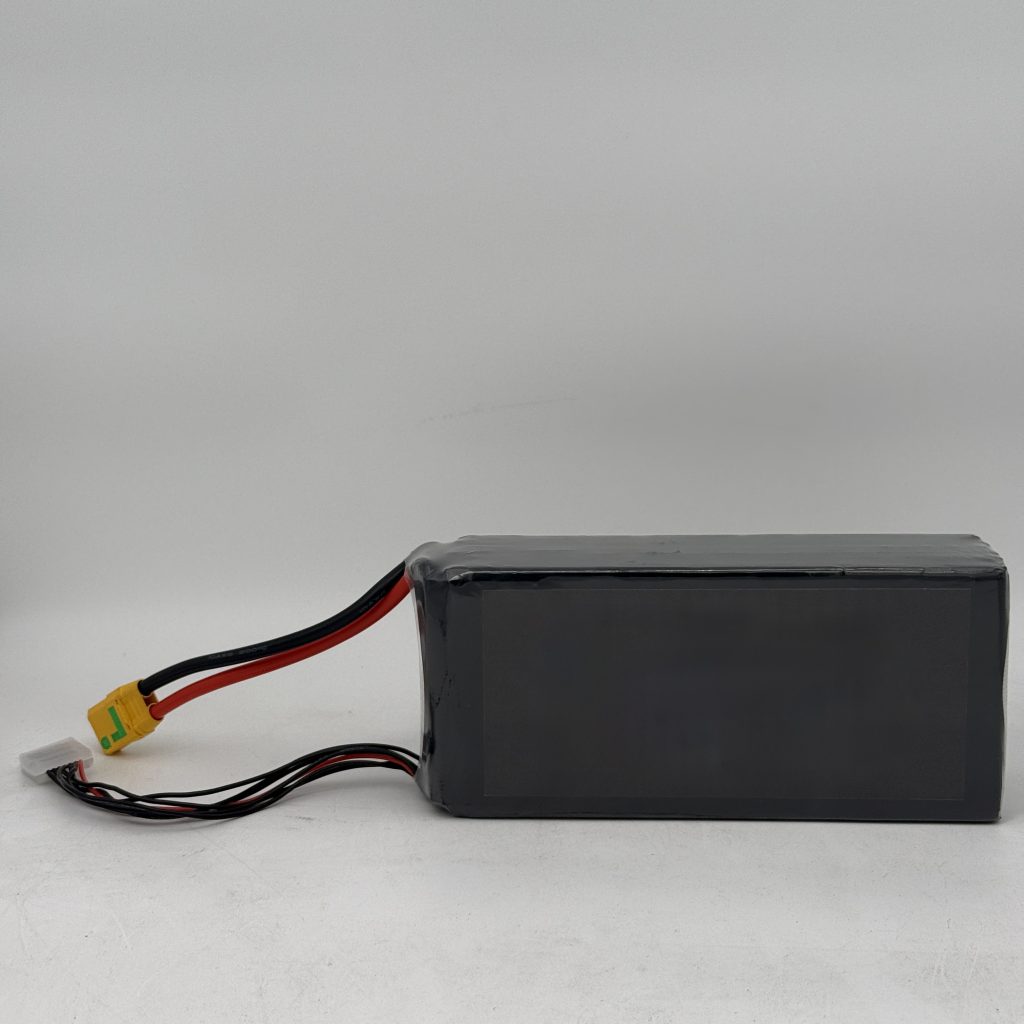
Kíváncsi vagy, meddig 5000mAh LiPo akkumulátor1 valóban kitart? Valós használatban, a teljesítmény az eszköztől függően drasztikusan változik, beállítást, és akkumulátor gondozása2. A téves értékelés rendszerhibákhoz vagy leálláshoz vezethet. Ez a cikk lebontja a tényeket, változók, és számításokat, amelyek segítenek az akkumulátorhasználat okos megtervezésében.
Az 5000 mAh-s LiPo akkumulátor általában bírja 20 hogy 40 perc alatt nagy lefolyású készülékek3 mint a drónok vagy az RC autók, attól függően, hogy aktuális sorsolás4. In alacsony vízfogyasztású készülékek5, több óráig is eltarthat. Futásidő = (Akkumulátor kapacitása mAh-ban ÷ Terhelési áram mA-ban) × 60. Például, 5A húzásnál, ~1 óráig tart.
Merüljünk el mélyebben a változókban – például az aktuális húzásban, C-árak6, és feszültség eset7– amelyek hatással vannak az 5000 mAh-s LiPo működési idejére különböző alkalmazásokban és környezetekben.
Hogyan számíthatja ki az 5000 mAh-s LiPo akkumulátor üzemidejét órákban?
A legtöbb felhasználó kitalálja az akkumulátor élettartamát – ami téves számításokhoz vagy áramkimaradásokhoz vezet a használat közben. Ez probléma az űrhajózásban, védelem, vagy orvosi tech. Megbízható matematikára van szüksége a felhasználás pontos előrejelzéséhez.
Futásidő kiszámításához: osztja el az akkumulátor kapacitását az áramfelvétellel. (5000mAh ÷ 1000 mA = 5 óra). Nagyobb terheléshez, ennek megfelelően állítsa be: 5000mAh ÷ 5000 mA = 1 óra. Használat: Futásidő (óra) = mAh ÷ (terhelés mA-ban) ÷ 1000.
A gyors alaphelyzet segít. A mélyebb részletek ezt az alapvonalat olyan tervvé alakítják, amely illeszkedik a valós eszközökhöz és valós környezetekhez.
Kapacitás, Terhelés, és a gyakorlati egyenértékűség
A módszer a kapacitással és a terheléssel kezdődik. A kapacitás egy tárolt töltési adat, amely a címkén látható. A terhelés az a sebesség, amellyel az eszköz energiát vesz fel. A kettő közötti közvetlen egyezés első pillantást vet a futásidőre. Viszont, a meccs csak kiindulópont. Az akkumulátor nem minden esetben szabadítja fel a jelzett kapacitást. A rendszer a feszültségkorlátok használatával is eldönti, hogy mikor kell leállni. A motorvezérlő vagy a BMS leállítja a kisülést, hogy megvédje a csomagot. Ezek a korlátok csökkentik a kapacitás felhasználható részét. A hőmérséklet befolyásolja a kisülés alakját és a belső ellenállás8 a csomagból. A hidegebb cellák nagyobb ellenállást mutatnak, és korábban érik el a határértéket. A biztonságos határokon belüli melegebb cellák közelebb viselkednek a címkéhez. A vezetékezés, csatlakozók, és a szabályozó is veszteségeket vezet be. Ezért, a módszernek az első pillantást piszkozatként kell kezelnie, nem a végső válasz.
A gyakorlati munkafolyamat egyértelmű terhelési feltételezést ad. A készülék a becslési fázis alatt állandó áramot vesz fel. Ez stabilizálja a módszert. A tényleges használat eltérő lehet, de az állandó érték tiszta alapot ad. Következő, a módszer azonosítja a kisülési ablakot. A csomag a névleges töltött állapot közelében kezdődik, és egy konzervatív vágási állapotnál ér véget. Az eszköz határozza meg ezt az ablakot. Ezek a határok határozzák meg a kapacitás felhasználható részét. A becslés ezután egy redukciós tényezőt alkalmaz, amely tükrözi a laboratóriumi körülmények és a terepi körülmények közötti különbséget. A tényező nem feltételezés. Hasonló csomagokból származó adatokat tükröz, hasonló terhelések, és hasonló környezetekben. Ez a tényező a becslést őszintén és megismételhetően tartja a projektekben.
Szabványos feltételek és feltételezések
A szabványos feltételek konzisztensek tartják a módszert. A környezeti hőmérséklet szoba szinten van. A csomag a névleges kisülési tartományon belül marad. A csatlakozók és a vezetékek rendben vannak. A készülék egy meghatározott vágási küszöb9 amely megvéd minden sejtet. A terhelés egyenletes marad a becslés során. A csomag egészséges és a normál ciklus élettartamán belül van. Ezek a feltételek csökkentik a zajt az eredményben. Amikor ezen feltételek bármelyike megváltozik, a futásidő is eltolódik. Ezért, jegyezze fel az egyes feltételezéseket az utolsó óraszám mellett. Ez a gyakorlat támogatja a későbbi összehasonlításokat. Akkor is segít, ha a felhasználó különböző csomagokat próbál ki, különböző motorok, vagy különböző szabályozók.
A becslés figyelembe veszi a címke pontosságát is. Az 5000 mAh-s címke bizonyos beállítások melletti tesztet jelent. A tényleges hasznosítható kapacitás attól függ kisülési profil10 használt a teszt során. Az eladók olyan áron tesztelhetnek, amely kedvező eredményeket produkál. Egy óvatos módszer alkalmazkodik ehhez. A kiigazítás elkerüli az optimistának tűnő követeléseket a területen. A következetes feltételezések és az őszinte kiigazítások robusztussá teszik az eredményt.
Gyakorlati futási időbecslést formáló bemenetek
| Beviteli kategória | Tipikus Forrás | Befolyás a futásidőre | Megjegyzések a következetesség érdekében |
|---|---|---|---|
| Címkézett kapacitás (mAh) | Cella/csomag címke | Beállítja az alapfigurát | Csak kiindulópontként kezelje |
| Állandó terhelés (A) | Készülék specifikáció | Mérlegmentesítési ablak | Használj egy meghatározott, stabil sorsolás |
| Levágási küszöb | BMS/eszköz | Korlátozza a felhasználható részt | Minden sejtet meg kell védeni |
| Hőmérséklet | Környezet | Megváltoztatja az ellenállást és a megereszkedést | Vegye figyelembe a környezeti és a légáramlást |
| Csomag egészsége | Ciklusszám/életkor | Csökkenti a hatékony kapacitást | Kövesse nyomon az állapotot az idő múlásával |
| Vezetékek/csatlakozók | Építési minőség | Hozzáadja a veszteséget és a hőt | Ellenőrizze az ellenállást és az illeszkedést |
| Teszt időtartama | Módszer választás | Befolyásolja a stabilizációt | Használjon állandósult állapotú időszakot |
Lépésről lépésre becslés
A tiszta folyamat elkerüli a szimbólumokat, és továbbra is szilárd alakot ad. Minden lépés egyértelmű ellenőrzésre épül.
Első, erősítse meg a csomag minősítését. A címkén szerepel egy kapacitásérték. Jegyezze fel ezt az értéket alapként. Második, határozza meg az eszköz állandó terhelését. Győződjön meg arról, hogy a húzás a csomag névleges kisülési tartományán belül van. Harmadik, dokumentálja a küszöbértéket. Jegyezze meg a vezérlő által érvényesített cellaszint-korlátot. Negyedik, állítsa be a becsléshez használt környezeti feltételeket. Jegyezze fel a hőmérsékletet és a légáramlást. Ötödik, felméri a csomag egészségi állapotát. Egy újabb csomag közelebb áll a címkéhez. Az élete mélyén lévő csomag a címke alatt viselkedik. Hatodik, csökkentést alkalmazni a nem ideális hatások esetén. Ide tartozik a belső ellenállás, huzalozási veszteségek11, és szabályozási rezsi. Hetedik, kombinálja az alapkapacitást az egyenletes terheléssel és a csökkentéssel, hogy praktikus óraszámot kapjon. Nyolcadik, kerekítse az eredményt ésszerű pontosságra. Kilencedik, szám mellett tüntesse fel a feltételeket. Tizedik, próbaüzem után tekintse át az ábrát az eszköznaplókkal összehasonlítva. A próba megerősíti, hogy a becslés a megfelelő tartományba esik.
Ez a folyamat az ismételhetőségre összpontosít. Ugyanaz a módszer, amelyet a buildekben használnak, létrehoz egy adatnyomot. A nyomvonal felgyorsítja a jövő tervezését. Segít abban is, hogy a csapat eldöntse, mikor kell módosítani a csomagméretet vagy a vezérlő beállításait. A módszer nem támaszkodik éles esetekre. A módszer egy stabil magot használ tiszta bemenetekkel. Mind a kis drónokat, mind a nagyobb platformokat támogatja azáltal, hogy a lépések azonosak maradnak, miközben csak a bemeneteket cseréli.
Kiigazítási térkép a címkeadatok gyakorlati órává alakításához ábra
| Korrekciós tényező | Miért Létezik | Tipikus irány | Hogyan kell következetesen alkalmazni |
|---|---|---|---|
| Belső ellenállás | Az emelés leesik terhelés alatt | Csökkenti a használható ablakot | A csomag osztálya és életkora alapján |
| Hőmérséklet eltolódás | Megváltoztatja a sejt viselkedését | A hidegebb lerövidíti az üzemidőt | Jegyezze fel a környezeti és ismételje meg a teszteket |
| Vezetékezés/szabályozó elvesztése | Az energiát hővé alakítja | Csökkenti a nettó teljesítményt | Vizsgálja meg a hardvert és naplózza a hőt |
| Címke tesztprofil | Eltérhet a mezőtől | Felfújható az alap | Állítsa be az ürítési feltételeket |
| Elzárás végrehajtása | A vége korábban fut | Csökkenti a kapacitásmegosztást | Egyezzen meg az eszközszabályzattal |
| Egészség és ciklusok | A kapacitás idővel csökken | Csökkenti a hatékony alapot | Pályaciklusok száma |
Gyakori buktatók és biztonsági határok
Egy gyakori hiba a címkét evangéliumként kezeli. A terepi körülmények szinte soha nem egyeznek a laborbeállításokkal. Egy másik hiba figyelmen kívül hagyja a küszöbértékeket. A készülék ritkán ürít ki egy csomagot mély állapotba. A rendszer korán leáll, hogy megvédje a sejteket. Ennek figyelmen kívül hagyása túlzott óraszámokhoz vezet. A harmadik hiba a sorozatok során a csúcshúzást használja a teljes futás reprezentálására. A törések számítanak, de a kiindulási becsléshez állandó húzás szükséges. A negyedik hiba figyelmen kívül hagyja a hőmérsékletet. A futás előtti hideg tárolás vagy a futás közbeni meleg időjárás torzítja az eredményt. Az ötödik hiba kihagyja a hardverellenőrzést. Laza csatlakozók, kopott vezetékek, vagy alulméretezett vezetékek pazarolják az energiát és melegítsék fel a csomagot. Ezek a problémák lerövidítik a futást még akkor is, ha a sejtek egészségesek.
A biztonsági ráhagyás12 praktikussá teszi a becslést. A készülék nem érheti el a vágási pontot kritikus művelet közben. Egy kis fenntartott rész a futás végén megakadályozza a barnulást és védi a csomagot. A tartalék fedezi a váratlan ellenszéleket is, egyenetlen talaj, vagy nagyobb kereslet a hasznos tehercsúcsból. A fedezeti értéket a becsléssel együtt le kell írni. Ez a gyakorlat elkerüli a vitákat, és támogatja az ismételt futtatásokat. Ugyanaz a margó, ugyanúgy alkalmazzák, stabil terveket készít.
Végül, a visszacsatoló hurok13 javítja a pontosságot. Futás után, naplózza a start és stop állapotokat. Rögzítse a környezeti feltételeket és az eszköz viselkedését. Hasonlítsa össze a naplózott futási időt a becsléssel. Ha szükséges, állítsa be a csökkentési tényezőket. A változtatás legyen kicsi és indokolt. Idővel, a becslés a valós eszközmintázat felé konvergál. A csapat magabiztossá válik az óraszámban. A csomag a biztonságos határokon belül marad. A készülék megbízható marad. A terv egyszerű marad.
Milyen tényezők határozzák meg, hogy mennyi ideig bírja az 5000 mAh-s LiPo a valós használatban?
A valós életkörülmények eltérnek a laboratóriumi specifikációktól. Magasság, hőmérséklet, és a terhelési kiugrások befolyásolják a teljesítményt. Ha figyelmen kívül hagyja őket, az idő előtti leállások vagy a túlzott várakozások kockázata. Fedezzük fel ezeket a gyakorlati befolyásolókat.
A legfontosabb tényezők közé tartozik a terhelési áram, környezeti hőmérséklet14, kisülési sebesség (C-besorolás), és az akkumulátor állapota. Külső tényezők, mint a szélellenállás (drónokhoz) és terep (RC autók) az üzemidőt is csökkenti. A pontos előrejelzés megköveteli ezeket a változókat a használat során.
Környezeti viszonyok és termikus viselkedés
A környezet határozza meg a futásidő alapértékét. A hőmérséklet közvetlenül befolyásolja a belső ellenállást és a feszültséggörbét kisülés közben. A hideg növeli az ellenállást és csökkenti a feszültséget azonos terhelés mellett. Ekkor a rendszer korábban eléri a határértéket. A hő csökkenti az ellenállást, de növeli a kémiai stresszt. A túlzott hő felgyorsítja az öregedést, és védelmet válthat ki. A tartomány mindkét vége csökkenti a használati időt. Egy istálló, mérsékelt zóna védi a futásidőt és a hardvert.
A légáramlás működés közben alakítja a hőmérsékletet. A statikus rögzítések felfogják a hőt a tasak körül. A szoros burkolat blokkolja a levegő mozgását és növeli a felület hőmérsékletét. csatornák, szellőzőnyílások, a ventilátorok pedig javítják a hőátadást és magasabban tartják a feszültséget terhelés alatt. A tájékozódás is számít. A forró elektronikához szorított csomag gyorsabban felmelegszik és jobban megereszkedik. A forró zónáktól elkülönített csomag közelebb marad a tervezési ablakához.
Napfény, nedvesség, és a por hozzájárul a viselkedés megváltozásához. A napfény akkor is felmelegíti a házat, ha a levegő hűvösnek tűnik. A páratartalom felgyorsítja a korróziót az érintkezőknél, és csökkenti a szigetelés minőségét a kitett helyeken. A por takaróként működik az uszonyokon és a felületeken. Hőpárnák és pajzsok segítenek, de jó érintkezésre és tiszta felületekre van szükségük. Amikor a környezet irányított marad, a csomag a tervhez közelebb viszi az időt. Amikor a környezet sodródik, a futásidő együtt mozog vele.
Profil betöltése, Üzemi ciklus, és Rendszerigény
A terhelési profil meghatározza, hogy az áram hogyan változik az idő múlásával. Az állandó húzás stabil feszültséget és kiszámítható vágási pontot hoz létre. A tört profil olyan dőléseket hoz létre, amelyek korábban elérik a határértéket, akár ugyanolyan átlagos húzással. A munkaciklus azt írja le, hogy mennyi ideig marad a rendszer magas terhelésen az alacsony terheléshez képest. Magas munkaciklus15s hőt emelni, mély anyag, és rövidítse le a használható ablakot. Az alacsonyabb munkaciklusok lehetővé teszik a rövid helyreállítást és az ablak meghosszabbítását.
A rendszerigény minden fogyasztót magában foglal a vasúton. Átalakítók, rádiók, érzékelők, világítás, és a hűtés is ugyanabból a forrásból származik. Minden feszültséget átalakító fokozat veszteséget okoz. A veszteség hővé válik, és csökkenti az időt. A szakaszok sorrendje számít. A rossz bemeneti szűrés visszaszorítja a gyors változtatásokat a csomagba. A jó bemeneti szűrés kisimítja ezeket a változásokat, és korlátozza az eséseket. A simább bemenet védi a vágási határt és növeli a futási időt.
A mechanikai hatékonyság erősen befolyásolja az elektromos igényeket. Rosszul beállított tengelyek, kiegyensúlyozatlan légcsavarok, durva csapágyak, alulfújt gumik, és a rossz kenés minden felfújási nyomaték szükséges. Az elektromos rendszernek ekkor több áramot kell szolgáltatnia ugyanahhoz a feladathoz. A mechanikus alkatrészek kis javításai egyértelmű futási időnövekedést eredményezhetnek az akkumulátor vagy a vezérlő érintése nélkül. A tiszta beállítás és a sima mozgás csökkenti a veszteséget és a hőt a rendszerben.
Elektromos út minősége, Védelmi Stratégia, és veszteségek
Az elektromos út a cellafülektől a terhelésig tart. Minden szakasz ellenállást és induktivitást ad hozzá. A lista tartalmazza a belső sejtrezisztenciát, hegesztési varratok, busz bárok, vezet, csatlakozók, biztosítékok, kapcsolók, és PCB nyomok. A rossz kötések és az alulméretezett vezetők növelik a leesést és a hőt. Ekkor a készülék által látott kapocsfeszültség ugyanazon áram alatt alacsonyabb lesz. Az eszköz hamarabb éri el a leállást, és csökken a futási idő.
A védelmi stratégia meghatározza a végpontot. Egyes rendszerek figyelik a teljes csomagfeszültséget. Mások figyelik az egyes sejteket. A sejtszintű védelem biztonságosabb és következetesebb, de leállítja a kisülést, amikor a leggyengébb sejt eléri a határt. Ez jó az életre, de lerövidíti az időt, ha a sejtek nem illeszkednek jól vagy nincsenek kiegyensúlyozva. A konzervatív elzárás javítja a biztonságot és a hosszú távú egészséget. Az agresszív levágás ma percekkel növeli meg a stressz és a holnapi sodródás kockázatát. A világos irányelvek és a jó érzékelés lehetővé teszik az eredmények megismételhetőségét.
Az átalakítási szakaszok állandó veszteséget adnak hozzá. A lecsökkentő és növelő konverterek a bemenet egy részét hőként pazarolják el. A szűrők sorozatelemeket adnak hozzá. A védelmi eszközök sorozatelemeket adnak hozzá. Mindegyik elem csökkenti az effektív feszültséget. Ez csökkenti a határt a csúcsok alatt, és közelebb húzza a határértéket. Helyes huzalmérő, rövid vezetékek, tiszta krimpelés, és a minőségi csatlakozók csökkentik a veszteséget. A jó elrendezés és a szilárd feszültségmentesítés megakadályozza a sérüléseket, amelyek idővel növelik az ellenállást. A szűk út nagyobb feszültséget jelent terhelés alatt és későbbi lekapcsolást.
Akkumulátor állapota, Öregedés, és Varianciaépítés
Akkumulátor állapota16 az életkorral és a kezelhetőséggel együtt mozog. Kapacitás csökken17 idővel. A belső ellenállás emelkedik. Ugyanez az eszköz hamarabb éri el a határértéket. Tárolási előzmények18 számít. Tárolás magas töltéssel és magas hőmérsékleten, öregedési sebességgel. A javasolt középtartomány közelében és hűvös körülmények között történő tárolás lelassítja. Töltési gyakorlat19 számít is. A helyes beállítások megőrzik az egyensúlyt és csökkentik a stresszt. A tervezett tartományon kívüli ismételt kemény használat felgyorsítja a fakulást.
Sejtillesztés20 befolyásolja a csomagoláson belüli egyenletességet. Gyártási eltérés21 kapacitáskiosztást és ellenállást hoz létre a sejtek között. A jó illeszkedés az összeszerelés során csökkenti a terjedést, de némi terjedés marad. Kiürítés közben, a leggyengébb sejt lesz a határ. A vezérlő ezután befejezi a futást, miközben a többi cella még tölti. Kiegyensúlyozás töltés közben22 segíti a sejtek összehangolását. Minőségi hegesztések23 és az egyenletes tömörítés segít megőrizni az igazodást az élet során. A rossz hegesztések és az egyenetlen összenyomás növeli a helyi ellenállást és a hőt. Ez felgyorsítja a helyi öregedést és növeli a terjedést.
A kezelés és a szerelés teszi teljessé a képet. A tasakos celláknak egyenletes nyomásra van szükségük, és védelemre van szükségük az éles szélektől. Az erős ütések és a túlzott befogás belső károsodást okoz. A károsodás később korai ereszkedésként vagy korai levágásként jelentkezik. A jó kábelköteg-kialakítás csökkenti az ízületek terhelését, és eltávolítja a csatlakozók súlyát. A rendszeres ellenőrzések hőnyomokat találnak, laza érintkezők, és elhasználódott szigetelés, mielőtt futási vagy biztonsági események veszteséget okoznának.
A tényezők összeállítása egy egyszerű szabályozási tervben
Egy rövid vezérlési terv ezeket a tényezőket olyan lépésekké alakítja, amelyek védik a futásidőt. Első, környezetvédelmi határértékeket állapítsanak meg és tartsanak be. Tartsa a hőmérsékletet mérsékelt sávon belül. Használjon légáramlást és árnyékolást a szalag megtartásához működés közben. Helyezze a csomagot távol a hőforrásoktól. A hőátadás megőrzése érdekében tartsa tisztán a felületeket. Második, alakítsa ki a terhelési profilt. Sima kereslet, ahol lehetséges. Korlátozza a hosszú, nagy teherbírású szegmenseket. Adjon hozzá bemeneti kapacitást, ahol ez segíti az upstream útvonalat. Győződjön meg arról, hogy a szűrők és konverterek nem tükrözik vissza a gyors széleket a csomagba.
Harmadik, frissítse az elektromos utat. Használjon megfelelő mérővezetékeket. Lehetőség szerint rövidítse le a futásokat. Válasszon alacsony érintkezési ellenállású és szilárd tartású csatlakozókat. Krimpelés és forrasztás megfelelő szerszámokkal és beállításokkal. Adjon hozzá feszültségmentesítőt, hogy megállítsa a mozgást az ízületeknél. Rendszeres ciklusban ellenőrizze az utat. Cserélje ki a kopott alkatrészeket, mielőtt veszteséget okozna. Negyedik, világos védelmi politikát határoz meg. Döntse el a cellánkénti vagy a csomagszintű figyelést. Válassz olyan határvonalat, amely megvédi az életet, miközben kielégíti a küldetés igényeit. Dokumentálja a küszöböt, és tartsa állandóan a csomagokat megosztó eszközökön.
Ötödik, az akkumulátor állapotának kezelése. Kövesse nyomon a ciklusszámot és a tárolási rekordot. Töltse fel a megfelelő beállításokkal. Egyensúlyozzon a használati esetnek megfelelő rutinon. Szüntesse meg az elsodródást vagy ismétlődő korai leállásokat mutató csomagokat. Vezessen nyilvántartást a csomagolásonkénti viselkedésről, ne pedig csak a márkacímkékről. Hatodik, karbantartani a mechanikai rendszert. Igazítsa a forgó részeket. Cserélje ki a kopott csapágyakat. Kiegyensúlyozza a légcsavarokat és a kerekeket. Ellenőrizze a hézagokat és a kenést. A mechanikai gondozás csökkenti az elektromos igényt, és megkönnyíti a csomag munkáját.
Végül, naplózza az egyes futásokat. Rögzítse a környezeti hőmérsékletet, profil megjegyzések betöltése, levágási módszer, csomagazonosító, és megfigyelt időt. Hasonlítsa össze az eredményeket idővel. Egyszerre csak egy változót állítson be. Ez az egyszerű terv csökkenti az eredmények terjedését. Felgyorsítja a hibakeresést is, ha az idő egyértelmű ok nélkül csökken. Az eredmény egy 5000 mAh-s LiPo stabil működési ideje valós használatban, kevesebb meglepetéssel és hosszabb élettartammal.
Hogyan működik a Current Draw (Amper) Befolyásolja az 5000 mAh-s csomag kisütési idejét?
Az áramfelvétel közvetlenül meghatározza, hogy az energia milyen gyorsan fogy. Sok felhasználó azonban figyelmen kívül hagyja – ami feszültségcsökkenéshez vezet, túlmelegedés, vagy korai leállás. Hatásának megértése elengedhetetlen a rendszer biztonsága és hatékonysága szempontjából.
Nagyobb áram = gyorsabb kisülés. 1A döntetlennél, egy 5000mAh-s akkumulátor ~5 órát bír. 10A-nál, ~30 percig tart. A nagyobb fogyasztás növeli a hőt és csökkenti az általános hatékonyságot. Mindig igazítsa az akkumulátor C-besorolását az aktuális igényekhez.
Betöltési intenzitás és kisülési idő
Az aktuális húzás határozza meg, hogy a tárolt töltés milyen gyorsan hagyja el a csomagot. A nagy húzás csökkenti a rendelkezésre álló időt, mert a feszültség gyorsabban esik feszültség alatt. A vezérlő hamarabb közeledik a leálláshoz, még akkor is, ha a névleges kapacitás nagyvonalúnak tűnik. A mérsékelt húzás kényelmesen tartja a csomagot. A feszültség egyenletesebb marad. A hő szabályozott marad. A védelem nem avatkozik be korán. Az eredmény hosszabb kiürítési idő.
Az átmeneti viselkedés számít. A rövid sorozatok rövid zuhanást okoznak. A gyakori kitörések nagy folyamatos terhelést imitálnak. A rendszer ezután több időt tölt a vágási vonal közelében. A kisülési idő csökken. A simább profil megőrzi a belmagasságot. A csomag elkerüli a védelmet kiváltó mély süllyedéseket. Ugyanaz a névleges kapacitás több percnyi szolgáltatást támogat.
Termikus válasz24 közvetlenül kapcsolódik az aktuálishoz. A nagyobb amper nagyobb belső fűtést hoz létre. A hő eltolja a feszültséggörbét és megterheli az anyagokat. A túlzott hőmérséklet lerövidítheti az élettartamot és csökkentheti a jövőbeni ciklusok idejét. Az ésszerű áram a cél közelében tartja a hőmérsékletet. A csomag kiszámíthatóan viselkedik. A kisülési idő a tervekhez közel marad az évszakok és helyszínek között.
Jelenlegi rajzolási minták és tipikus hatásaik a kisülési időre
| Jelenlegi minta | Feszültségviselkedés | Heat Trend | Tipikus hatás a kisülési időre | Megjegyzések |
|---|---|---|---|---|
| Alacsony, állandó | Kicsi, stabil csepp | Enyhe emelkedés | Hosszabb ideig | Nagy hatékonyságú zóna |
| Mérsékelt, állandó | Észrevehető esés | Irányított emelkedés | Kiegyensúlyozott idő | Jó a legtöbb építkezéshez |
| Magas, állandó | Mély esés | Erős emelkedés | Rövid idő | Gyakoriak a korai elzárások |
| Bursty, alacsony terhelés | Ismételt kis merülések | Pulzáló emelkedés | Mérsékelt idő | Bemeneti simítást igényel |
| Bursty, magas kötelesség | Gyakori mély merülések | Magas átlaghő | Rövid idő | A védelmi kitörések erős veszélye |
Feszültség Case, Cutoff Policy, és Útellenállás
A feszültségcsökkenés az áramerősséggel nő. A készülék alacsonyabb kapocsfeszültséget lát ugyanarra a töltöttségi állapotra. Ha a rendszer cellánkénti feszültséget figyel, a leggyengébb sejt határozza meg a végpontot. Nagy áram alatt, hogy a sejt először megereszkedik. A védelem ezután véget vet a kisülésnek. Csökken a feladatra fordított idő. Ha a rendszer csak a csomagfeszültséget figyeli, továbbra is ugyanaz a dinamika érvényesül. A mély ereszkedés lefelé húzza a végösszeget, és átlépi a határt.
Lezárási politika25 alakítja a felhasználható időt. A konzervatív küszöbök védik a csomagot és stabilizálják az élettartamot. Lerövidítik a kisülési időt is, ha nagy az áram. Az agresszív küszöbértékek meghosszabbítják a mai időt, de hamarabb leépíthetik a sejteket. A kiegyensúlyozott politika tiszteletben tartja a küldetést és a hosszú élettartamot. A megfelelő házirend az alkalmazás kockázatától függ, szervizintervallumok, és a csere költsége.
Útellenállás26 két esetet ad hozzá. Minden kapcsolat, ólom, és a közös kis veszteségeket ad hozzá. Alacsony áram mellett ezek a veszteségek csekélyek lehetnek. Nagy áramerősségnél ugyanaz az ellenállás nagy cseppeket és hőt hoz létre. Ez a hatás ellopja a feszültségmagasságot a csomagtól, és csökkenti a kisülési időt. Tisztítsa meg a csatlakozókat, helyes huzalmérő, és a rövid futások csökkentik ezeket a veszteségeket. A kifizetés a stabilabb feszültség terhelés alatt és egy későbbi lekapcsolás.
Útvonalelemek, amelyek felerősítik a megereszkedést magasabb áram alatt
| Útvonal elem | Az extra veszteség tipikus oka | Látható tünet | A kisülési időre gyakorolt hatás | Enyhítés |
|---|---|---|---|---|
| Alulméretezett vezeték | Túl kicsi a mérő | Meleg vezetékek | Korábbi levágás | Használjon megfelelő mérőeszközt |
| Elöregedett csatlakozó | Viselet, oxidáció | Hot shell, elszíneződés | Rövidebb idő | Cserélje ki, tiszta, frissíteni |
| Hosszú heveder | Túlzott hosszúság | Magasabb esés a csúcsokon | Csökkentett idő | Futások lerövidítése |
| Gyenge krimp/forrasztás | Szerszám vagy technika | Helyi forró pontok | Instabil idő | Átdolgozni megfelelő eszközökkel |
| Extra interfészek | Sok csatlakozás/adapter | Több meleg ízület | Rövidebb idő | Egyszerűsítse az utat |
Üzemi ciklus, Konverziós szakaszok, és Bemeneti kondicionálás
A munkaciklus azt méri, hogy egy rendszer mennyi ideig áll magas igénybevétel mellett. A hosszú, nagy igénybevételű időszak megereszkedik és felmelegszik. A vezérlő hamarabb éri el a védelmi küszöböt. Elbocsátási idő szerződések. Az alacsony igénybevételű minta rendszeres tehermentesítéssel lehetővé teszi a részleges helyreállítást. Az átlagos kapocsfeszültség magasabb. A kisülési idő megnő.
Az átalakítási szakaszok határozzák meg, hogy az áram hogyan éri el a csomagot. A felfelé vagy lefelé mutató fokozatok kapcsolási veszteséget és hullámzást eredményeznek. Ripple röviden húzza, éles áram a forrásból. Bemeneti kondicionálás nélkül, ezek az élek elérik a csomagot. Ekkor a falka mélyebb pillanatnyi megereszkedést lát. A védelmi küszöbértékek akkor is aktiválódhatnak, ha az átlagos áramerősség biztonságosnak tűnik. A jó bemeneti kondicionálás csökkenti a hullámzást. A csomag ezután egyenletesebb keresletet lát, és stabilabb időt biztosít.
A vezérlőhurkok is számítanak. Az agresszív hurkok gyors áramváltozást igényelhetnek. A csomag éles merüléssel reagál. Kedves, a jól hangolt hurkok valamivel hosszabb intervallumra terjesztik a változásokat. A készülék egy biztonságosabb feszültségsávon belül marad. A lemerülési idő előnyei. A megfelelő hurokhangolás és a megfelelő kapacitás az átalakító bemenetén egyenletes nyereséget eredményez az akkumulátor cseréje nélkül.
Öregedés, Egyensúly, és Ismételhetőség27
Az öregedés változásai28 az áramra adott válasz. A sejtek idővel veszítenek kapacitásukból. A belső ellenállás emelkedik. A nagy áramerősség nehezebbé válik mély megereszkedés nélkül. A kisülési idő azonos terhelés mellett gyorsabban esik a régebbi csomagokon. A kiegyensúlyozott cellák jobban kezelik az áramot. Ha az egyik sejt nagy ellenállásba sodródik, az egész csomagot korlátozza. Ez a sejt korábban leesik, korán véget ér a váladékozás, és elfedi a többi cellában fennmaradó töltést. A jó egyensúly feszesíti a viselkedést és időt takarít meg.
Az ismételhetőség standard körülmények között javul. Tartsa a környezeti hőmérsékletet szűk tartományban. Használja ugyanazt a csatlakozókészletet és kábelköteget. Alkalmazza ugyanazt a levágási politikát. Rögzítse az aktuális profilokat. Amikor a körülmények stabilak maradnak, az áram és a kisülési idő közötti kapcsolat megbízhatóvá válik. Ez a megbízhatóság leegyszerűsíti a tervezést és csökkenti a váratlan leállások számát.
Gyakorlati szabályozási keret az áramhoz és az időhöz
Egy tömör keretrendszer összehangolja az aktuális vezérlést a kisülési idővel. Első, Állítsa be az aktuális költségvetést az alapfunkcióhoz és az összes kiegészítőhöz. Tartsa az összeget a csomag kényelmes tartományában. A kényelmes terület elkerüli a meredek ereszkedést és a nagy meleget. Második, kiegyenlíti a keresletet. A sima profilok megvédik a fejtértől. Kerülje a hosszú időszakokat maximális húzás mellett. Ha csúcsra van szükség, helyezze el őket, és tartsa rövidre. Harmadik, hangolja az elektromos utat. Használjon megfelelő vezetékhosszt és minimális hosszúságot. Válasszon erős érintkezőerővel rendelkező és bevált csatlakozókat, kis ellenállású interfészek. Távolítsa el a szükségtelen adaptereket. Adjon hozzá feszültségmentesítőt, hogy az ízületek stabilak maradjanak az élettartam során. Negyedik, megerősíti a bemenetet a konverterekhez. Biztosítson megfelelő bemeneti kapacitást és tiszta elrendezést a hullámosság korlátozása érdekében. Hangolja be a vezérlőhurkokat, hogy elkerülje a csomagot kalapáló heves áramlépéseket. Ötödik, védelmi szabályzat meghatározása és zárolása. Válasszon cellánkénti vagy csomagszintű érzékelést a kockázattűrés alapján. Állítson be olyan küszöböket, amelyek megvédik az életet, de megfelelnek a küldetés igényeinek. A házirend egységes legyen a csomagokat megosztó eszközökön. Hatodik, kezelni a hőkorlátokat. Biztosítson légáramlást vagy hőelvezetést a célhőmérséklet fenntartása érdekében a csúcsigény idején. A hőszabályozás stabilizálja a feszültségreakciót és hosszabb időt biztosít. Hetedik, nyomon követni az öregedést és az egyensúlyt. Használjon rendszeres egyenlegdíjat az ajánlott gyakorlaton belül. Szüntesse meg azokat a csomagokat, amelyek ismétlődő korai lekapcsolást vagy abnormális felmelegedést mutatnak mérsékelt áramerősség mellett. Végül, figyeli és naplózza a futásokat. Rögzítse a környezeti hőmérsékletet, csúcs és átlagos áram, levágási ok, és a kiürítési idő. Keresd a sodródást. Vizsgálja meg a kiváltó okokat, amikor az idő ugyanazon áram alatt változik. Ez a keretrendszer az áramot a bizonytalanság forrásából ellenőrzött tervezési változóvá alakítja. Ekkor a kisülési idő kiszámíthatóvá válik, biztonságos, és alkalmas a feladatra.
Egy 5000 mAh-s LiPo képes a teljes kapacitását magas C-ráta mellett leadni?
Csábító az akkumulátorok erős nyomása, de ez korlátozhatja a felhasználható energiát. A maximális C-sebességgel vagy ahhoz közeli működés feszültségesést okozhat, duzzanat, vagy kárt. Tudja, mit jelent valójában a „használható”..
Nem mindig. Magas C-rátákkal, a belső ellenállás és a felmelegedés feszültségcsökkenést okoz, a felhasználható kapacitás csökkentése. Előfordulhat, hogy egy 5000 mAh-s LiPo 50 °C-os névleges kapacitással nem ad le teljes 5000 mAh-t, ha a hő korlátozza a teljesítményt. Az optimális kisülés lent történik 70% a maximális C-ráta.
Tiszta áttekintés a sebességhatásokról, termikus viselkedés, és a védelmi ellenőrzés megmagyarázza, hogy miért jelennek meg ritkán a magas címkével ellátott figurák szélsőséges igény esetén.
Rate Stressz, Belső veszteségek, és Korai felmondás
A nagy C-frekvenciás működés több áramot nyom át a csomag minden ellenállási elemén és az áramútban. Ezek az elemek magukban foglalják a sejt belső ellenállását, fül és hegesztési felületek, vezet, csatlakozók, és védelmi alkatrészek. A nagyobb áramerősség megsokszorozza az egyes elemek esését. A kapocsfeszültség gyorsabban esik, mint azt a belső töltöttségi állapot sugallná. Az eszköz védelmi logikája ezt követően korábban határfeltételt lát. A kisülés véget ér, miközben mérhető töltés marad az elektrokémiai rendszerben.
A veszteségek nemcsak a feszültséget csökkentik; hőmérsékletet is emelnek. A hő felgyorsítja a kisülési görbe eltolódását, és megváltoztatja a kémia viselkedését a futtatás hátralévő részében. A megnövekedett hőmérséklet átmenetileg csökkentheti a látszólagos ellenállást, de felgyorsítja a degradációs mechanizmusokat is. Ha a hőmérséklet a tervezett ablak fölé emelkedik, a vezérlő felléphet a csomag védelme érdekében, az ülés további lerövidítése. A gyakorlati eredmény egy sebességfüggő használható kapacitás, amely a kisülési sebesség emelkedésével csökken.
Egyetlen csomag sem tökéletesen egységes. Kisebb különbségek a sorozatban lévő cellák között stressz hatására láthatóvá válnak. A valamivel nagyobb ellenállású vagy kisebb kapacitású cella először megereszkedik. A cellánkénti védelmi rendszer leállítja a futtatást, amikor a leggyengébb cella megközelíti a küszöbértéket. Ez a biztosíték megőrzi a csomagot, de biztosítja, hogy a nagy sebességű munkamenetek korábbi korlátoknak teszik ki a rendszert, mint az alacsony sebességű munkamenetek, még azonos feliratú kapacitással is.
Termikus ablak, Hűtési stratégia, és Kisülési görbe alakja
A nagy sebességű kisülés csökkenti a termikus költségvetést. A hő belső veszteségekből és külső veszteségekből származik. Ha a hűtési stratégia29 nem tudja eltávolítani ezt a hőt, a csomag gyorsan felmelegszik. A kisülési görbe30 majd lefelé tolódik, mert a növekvő hőmérséklet és a folyamatos áram növeli a pillanatnyi esést a kapcsokon. Az eszköz mélyebb zuhanásokat tapasztal tranziensek alatt, és kevésbé felépül rövid szünetekben. A védelmi események hamarabb megérkeznek. A felhasználható kapacitás a címkén feltüntetett szám alá esik.
Egy istálló termikus ablak31 enyhíti ezt a hatást. Légáramlás a tasak felületén, hőterítő szerkezetté való vezetés, és az egyéb forró alkatrészektől való gondos távolság csökkenti a hőmérséklet-emelkedést adott sebesség mellett. A tasakok felületének egyenletes összenyomása segít az állandó érintkezés fenntartásában és a helyi viselkedést torzító forró pontok csökkentésében. Amikor a csomag egy szabályozott hősávon belül marad, a kisülési görbe közelebb marad a közepes sebességű alakhoz, és a vezérlő kevesebb idő előtti küszöbátlépést lát.
A hűtés akkor működik a legjobban, ha az áramút elkerüli az elkerülhető hőforrásokat is. Alulméretezett vezetékek, szélső csatlakozók, a hosszú hevederek pedig eldobják a hűtési erőfeszítést, mivel az energiát hővé alakítják, mielőtt az elérné a terhelést. Jól hűtött csomag, amely meleget táplál, rezisztív út még mindig korai befejeződést szenved. A termikus tervezésnek és a pályatervezésnek együtt kell mozognia a hasznos kapacitás nagy sebességű megőrzése érdekében.
Cutoff Policy, Érzékelési módszer, és gyakorlati kapacitás
A levágási irányelv meghatározza, hogy az „üres” mit jelent az eszköz számára. A konzervatív politika magasabb cellánkénti küszöbértékeket és széles biztonsági határokat ír elő. Ez a politika védi a ciklus élettartamát és korlátozza az egyensúly eltolódását, de nagy sebességű körülmények között lerövidíti a futási időt. Az agresszív politika mélyebb mentesítést és alacsonyabb küszöbértékeket tesz lehetővé. Ez a házirend ma több percet biztosít, de növeli a stresszt, és hosszú távon felgyorsíthatja a kapacitásvesztést. A helyes politika a kockázattűréstől függ, terhelhetőségi elvárások, és a szerviz menetrendeket.
Az érzékelési módszer is számít. A csomagszintű érzékelés átlagolja a viselkedést, és a futás későbbi részéig elfedheti a gyenge cellát. A sejtenkénti érzékelés azonnal felfedi a leggyengébb láncszemet, és arra hat. A cellánkénti védelem biztonságosabb és következetesebb, különösen magas arányban, ahol a különbségek felerősödnek. Viszont, csökkenti a gyakorlati kapacitást a tökéletlen illeszkedéssel vagy öregedési terjedéssel rendelkező rendszerekben a csomagszintű megközelítéshez képest. A nagy sebességű kapacitás tehát éppúgy függ az érzékelő architektúrától, mint a kémiától és a címkétől.
A „teljes kapacitás” ésszerű értékelése magas C-arány esetén meg kell, hogy adja a levágási módszert, a küszöböket, és a vizsgálat során alkalmazott termikus állapot. Ezen részletek nélkül, két eredmény ugyanazzal a csomaggal jelentősen eltérhet. A címke önmagában nem garantálja ugyanazt a használható töltést különböző eszközökön, vagy akár ugyanazon eszközön különböző éghajlaton.
Egyensúly, Öregedés, és konzisztencia a nagy arányú munkamenetekben
Az egyensúly úgy igazítja a cellákat, hogy mindegyik cella hasonló állapotú és viselkedésű legyen. A nagy sebességű kisülés még kis egyensúlytalanságokat is felnagyít. A leggyengébb cella határozza meg a végpontot, és lefelé húzza a gyakorlati kapacitást, amint eltér a csoporttól. A rendszeres egyensúlyi töltés és a gondos tárolási körülmények lassítják az eltérést, de némi terjedés idővel és használattal felhalmozódik. Ahogy terjed, a nagy sebességű munkamenetek korábban véget érnek, mint az alacsony sebességűek, mert a gyenge cella feszültsége összeomlik a stressz hatására, miközben a csoport átlaga még mindig egészségesnek tűnik.
Az öregedés erősíti ezt a mintát. A kapacitás ciklusokkal fokozatosan csökken. A belső ellenállás emelkedik. A sebességtűrés csökken. Ugyanaz a nagy áramerősség, amelyet egy új csomag mérsékelt ereszkedéssel tolerált, most mélyebb ereszkedést és korábbi leállást okoz. A rendszer eléri a védelmi küszöböt, még mindig több töltéssel. A nagy sebességű kapacitás mozgó célponttá válik, amely nyomon követi a csomag korát, tárolási előzmények, és a múltbeli munkaciklusok súlyossága. A kiugró csomagok következetes karbantartása és korai nyugdíjazása a flotta viselkedését kiszámíthatóvá teszi, de egyetlen folyamat sem szünteti meg teljesen a díjszabást.
A konzisztencia javul, amikor a készülék, a hám, és a környezet ellenőrzése alatt marad. Ugyanazon csatlakozócsalád újrafelhasználása, huzalmérő, hossz, és a feszültségmentesítés csökkenti a futtatások közötti változékonyságot. A rögzített hőablakon belüli működés tovább csökkenti a terjedést. A cellafeszültségek lekapcsoláskor történő naplózása rávilágít arra, hogy a korai lezárások egyetlen gyenge cellából származnak-e, vagy a húron keresztüli egyenletes megereszkedésből származnak. Ez a betekintés irányítja, hogy a következő fejlesztés célja-e az egyensúlyi rutinok, hűtés, vagy útellenállás.
Tervezési és működési karok, amelyek nagy sebességgel visszaállítják a használható kapacitást
Egy fókuszált karkészlet vissza tudja állítani a nagy C-sebességek mellett elvesztett kapacitás egy részét. Első, csökkenti az elkerülhető ellenállást az úton. Válassza ki a megfelelő huzalmérőt minimális hosszúsággal. Használjon erős érintkezési erővel és alacsony érintkezési ellenállással rendelkező csatlakozókat. Biztosítson tiszta préselést és forrasztási kötéseket, amelyek nem okoznak mikroréseket. Gondoskodjon feszültségmentesítésről, hogy az ízületek ne romoljanak a vibráció hatására. Ezek a lépések növelik az effektív kapocsfeszültséget nagy áramerősség és késleltetési küszöb átlépéskor. Második, keményítsd meg a termikus tervet. Közvetlenül a tasak felületén szállítson levegőt, kerülje a hő felfogását sűrű habbal vagy szoros pakolásokkal, és tartsa távol a csomagot a forró elektronikától. Használjon egyenletes tömörítést, amely megfelel a cellaszállító útmutatásainak. A hőstabilitás megőrzi a kisülési görbe alakját sebességi feszültség alatt.
Harmadik, hangolja a terhelési profilt. Limit hosszú, folyamatos csúcsok, amelyek a sejteket hosszan tartó ereszkedésbe hajtják. Ha a csúcsok elkerülhetetlenek, rövid enyhülési időszakokat iktasson be a részleges helyreállítás érdekében. A konverter bemeneti kondicionálása csökkenti a hullámzást, amely egyébként éles kimozdulásként jelenne meg a csomag termináljainál. A vezérlőhuroknak kerülniük kell az agresszív áramlépéseket, amelyek lecsapják a forrást. A simább profil védi a vágási határt anélkül, hogy csökkentené az általános teljesítményt. Negyedik, tájékozott küszöbértékekkel rendelkező védelmi szabályzatot határoz meg. A cellánkénti monitorozás továbbra is a biztonságosabb választás, de a küszöbértékek reális küldetési igényeket tükrözhetnek. Egy kis lazítás a biztonságos határokon belül észrevehető növekedést eredményezhet a hasznosítható kapacitásban, nagy sebességgel, különösen, ha jobb hűtéssel és tiszta úttal kombinálják.
Ötödik, megőrizni az egyensúlyt, és korán visszavonni a gyenge csomagokat. A rendszeres egyenlegtöltés összehangolja a cellákat, és késlelteti azt a pontot, amikor az egyik cella állandó korlátozóvá válik. Azok a csomagok, amelyek mérsékelt hőmérsékleten és tiszta útviszonyok mellett ismételten korán elérik a határértéket, valószínűleg tartalmaznak egy sejtet, amely kiszorult a csoportból. Ha eltávolítja ezt a csomagot a nagy igénybevételű feladatból, megakadályozza az ismétlődő veszteségeket a rendszer többi részén, és elkerüli a későbbi megbízhatósági problémákat. Hatodik, dokumentálja a vizsgálati feltételeket és eredményeket. Rögzítse a környezeti hőmérsékletet, légáramlási módszer, csatlakozó típusa, ólomhossz, vágási küszöbök, és hozzávetőleges munkaciklus. Ismételje meg a teszteket azonos feltételek mellett annak ellenőrzésére, hogy a változtatások következetes nyereséget eredményeznek, nem pedig egyszeri javulást.
Ezek a karok nem változtatnak egy nagy arányú munkamenetet alacsony ütemű munkamenetté. A fizika még mindig büntetést szab ki a szélsőséges igény esetén felhasználható kapacitásra. Viszont, A fegyelmezett tervezés és működés összenyomja ezt a büntetést, és a teljesítményt egy kiszámítható sávon belül tartja. A csomag ezután nagy sebességű feladatokat szolgál ki, kevesebb meglepetéssel, hosszabb munkamenet konzisztencia, és lassabb menetelés az élet vége felé. A megjelölt kapacitás továbbra is értékes referencia, de a nagyarányú felhasználás terve olyan plafonként kezeli, amelyet csak a fegyelmezett rendszerek közelítenek meg.
Mennyi ideig működik egy 5000 mAh-s LiPo egy drónnal, RC autó, vagy E-Bike Motor?
Minden egyes alkalmazás másként vesz fel energiát. Ennek elrontása rövidre zárhatja a küldetést, vagy károsíthatja az alkatrészeket. A használati esetenkénti testreszabott becslések segítenek a repülés optimalizálásában, lovagol, vagy vezetési idő.
Drónok: ~15-25 perc (állandó nagy áram miatt). RC autók: ~20-30 perc normál használat mellett. E-kerékpárok: ~30-60 perc tereptől és motorteljesítménytől függően. Minden használati eset terhelés-specifikus számításokat igényel a futási idő becsléséhez.
Egy rövid híd most felvázolja a platform tulajdonságait, környezet, és a védelmi szabályok alakítják az órán ténylegesen megjelenő perceket.
A platform viselkedése és mit jelent az idő szempontjából
A drónok valódi folyamatos teljesítményű üzemmódban működnek. Az emelés súlyának mindig egyenlőnek kell lennie. Bármilyen változás a szélben, hasznos teher, vagy a vezérlőbemenet egyszerre változtatja meg a nyomatékigényt. Az akkumulátor gyakori robbanások alatt él, rövid helyreállítással. A feszültség mélyebbre csökken széllökések és manőverek során. A védelmi rendszer gyakran a cellánkénti küszöbértékeken alapuló korlátokat érvényesít. Egy gyengébb cella még akkor is befejezheti a repülést, ha az átlagos állapot még mindig korrektnek tűnik. A forró elektronika közelében történő felszerelés hőt ad, ami eltolja a kisülési görbét. A szűk vezetékezési helyek szintén felfoghatják a hőt, és megnövelhetik a korábbi korlátokat.
Az RC autók megtapasztalják az on-off tapadást, éles fojtószelep-változások, és rövid teljes erejű húzások. A rendszer magas csúcsokat lát gyorsítás közben, dob, vagy mászik. A szabadonfutás és a könnyű fojtószelep részleges helyreállítást biztosít. Áttétel, gumiabroncs választás, és a felület típusa szélesen lendíti a húzást. A tiszta hajtáslánc csökkenti az átlagos keresletet. A piszkos vagy rosszul beállított hajtáslánc felfújja. A hosszú kábelkötegek és a fáradt csatlakozók mélyebb süllyedéseket nyomnak a robbanások során, és lerövidíthetik a futást. A házakban gyakori a hőfelhalmozódás, és gyakran figyelmen kívül hagyják, mivel a test héja elrejti a forró zónákat.
Az e-kerékpárok simább mintázatban vonják az erőt, de a fokozatok és az asszisztens szintek gyorsan megváltoztatják a keresletet. A hosszú emelkedés erős rásegítés mellett stabilan tartja az akkumulátort, magas húzás. Egy lapos körút könnyed rásegítéssel enyhe keresletet hoz. A vezérlő kisfeszültségű védelemmel kapcsolatos stratégiája a meghajtóegységenként eltérő. Néhány egység csökkenti a teljesítményt a lekapcsolás előtt. Mások tovább tartják a célerőt, majd megállnak a küszöb közelében. A motorhőmérséklet és a szabályozó korlátai szintén meghatározzák a használati időt, különösen hosszú mászások során meleg időben vagy korlátozott légáramlás mellett.
Az 5000 mAh-s LiPo futásidejét meghatározó platformtulajdonságok
| Platform | Domináns terhelési minta | Tipikus limiter | Környezeti érzékenység | Megjegyzések a tervezéshez |
|---|---|---|---|---|
| Drón | Folyamatos sorozatokkal | Sejtszintű levágás megereszkedés alatt | Magas (szél, nap, légáramlás) | Kiegyensúlyozza a cellákat, jól lehűtjük, tartsa rövidre az utat |
| RC autó | Kitör a felépüléstől | Útellenállás és hő | Közepestől magasig (terep, bekerítés) | A hajtáslánc optimalizálása, csatlakozók, áttétel |
| E-kerékpár motor | Simább, évfolyam-vezérelt | Vezérlő házirend és termikus | Közepes (fokozat, környező, lovas bemenet) | Kezelje a segédszinteket és a hűtési útvonalat |
Erőút, Cutoff Policy, és Hűtés
Az erős áramút megőrzi a kapocsfeszültséget ugyanazon a húzáson. Helyes huzalmérő, rövid vezetékek, és a robusztus csatlakozók csökkentik az eséseket az egyes interfészeknél. A tiszta krimpelések és forrasztási kötések megakadályozzák a mikroréseket, amelyek felforrósodnak és energiát pazarolnak. A feszültségmentesítés stabilan tartja az ízületeket a vibráció alatt. Az előny a csúcsok idején jelentkezik, amikor minden milliohm számít, hogy a rendszer a határérték felett maradjon és elkerülhető legyen az idő előtti leállás.
A levágási házirend határozza meg a használható idő végét. A cellánkénti megfigyelés biztonságosabb és következetesebb a buildek között. Akkor fejezi be a kisülést, amikor a leggyengébb sejt megközelíti a küszöbét. A csomagszintű monitorozás tovább rejti a gyenge sejteket, de az egyenetlen stresszt veszélyezteti. A konzervatív küszöbértékek megvédik az életet, és stabilan tartják az eredményeket melegben és hidegben. Az agresszív küszöbök ma egy kis időt növelnek, de összenyomhatják a jövőbeli életet. Az egyértelmű irányelvek és az akkumulátorokat megosztó eszközök közötti egyeztetés javítja a kiszámíthatóságot.
A lehűlés összekapcsolja az utat és a politikát. A tasakok felületén és a forró elektronikától távol eső levegő stabilizálja a kisülési görbét. A házakhoz szellőzőnyílásokra vagy csatornákra van szükség, amelyek a levegőt a tényleges forró pontokon mozgatják, nem csak nyílt tér. A tasakos cellák tömörítésének egyenletesnek és a szállító útmutatásain belül kell lennie. Az egyenetlen nyomás helyi forró zónákat hozhat létre, és viselkedésbeli eltolódást okozhat. A stabil hőablak késlelteti a megereszkedés által kiváltott levágásokat, és perceket növel a csomag cseréje nélkül.
Vezérlőkarok és tipikus hatásuk a futásidőre
| Vezérlőkar | Elsődleges hatás | Hatás nagysága | Megjegyzés a legjobb gyakorlatról |
|---|---|---|---|
| Vezetékmérő és vezetékhossz | Alsó út esés | Magas | Használja a legrövidebb gyakorlati futásokat |
| Csatlakozó minősége | Alacsonyabb érintkezési ellenállás | Magas | Válassza a biztonságos lehetőséget, alacsony R érintkezők |
| Krimpelés/forrasztás integritása | Távolítsa el a mikroréseket | Közepestől magasig | Megfelelő eszközökkel ellenőrizze |
| Szellőztetés és légáramlás | Csökkentse a hőemelkedést | Magas | Közvetlen levegő a csomagon és a vezérlőn |
| Levágási küszöb beállítása | Shift használható ablak | Közepes | Tartsa magát biztonságos határokon belül |
| Egyenlegkezelés | Igazítsa a gyenge/erős sejteket | Közepes | Rendszeres egyensúly megfelelő beállításokkal |
| Hajtómű/mechanikai gondozás | Alacsonyabb átlagos húzás | Közepestől magasig | Igazítás, kenje meg, és ellenőrizze a kopást |
Drón, RC autó, és E-Bike: Merre mennek a percek
A drónok működési idejét ott töltik, ahol a tolóerő a lebegés fölé emelkedik, mint a mászások, szélkorrekciók, és gyors mozdulatokat. Az átlagos tolóerő kismértékű növekedése is lefelé húzza a feszültségvezetéket, és hamarabb aktiválja a védelmet. Propeller egyensúly, keret vibrációja, és az ESC tuning alakítja az akkumulátoron látható áram hullámformáját. A simább hullámforma csökkenti a süllyedés mélységét. Az áramút ezután távol tartja a rendszert a küszöböktől széllökések idején. Egy kis változás a légáramlásban gyakran többet segít, mint egy nagyobb csomag, mert stabilizálja a görbét a teljes munkamenet során. Ha az akkumulátort a forró repülésirányítóktól és a digitális videórendszerektől távol helyezi el, megakadályozza a hőképződést, amely elrejtőzhet a kompakt rakatok belsejében.
Az RC autók perceket veszítenek a nagy súrlódású hajtásláncokban, nem megfelelő áttétel, és ragacsos felületekre. A gyorsulás az idő ellensége, ha az út gyenge és a burkolat forró. Rövid, vastag vezetékek és kis veszteségű csatlakozók védik a feszültséget az indításkor. A héj alatti tiszta légáramlás elvezeti a hőt az akkumulátortól és az ESC-től. Gumiabroncsválasztás és nyomás, differenciál beállítás, és a csapágy egészsége mind csökkenti a nyomatékigényt. Az akkumulátor ekkor kevesebb mélyre süllyed, és kevesebb hirtelen kiakad a határvonal közelében. A teljes teljesítményű húzások közötti helyreállítás valódi felépüléssé válik, nem egy rövid lélegzet, ami még mindig a határ közelében van.
Az e-kerékpárok a vezérlőszabályzattól és a lovasválasztástól függenek. Segédszintek, ütem támogatás, és évfolyam-formaigény. Egyes vezérlők lecsökkentik a teljesítményt, amikor az akkumulátor az alacsony küszöbhöz közelít. A szűkítés megvédi a csomagot, de lerövidítheti az utolsó perceket, ha a versenyző továbbra is magas asszisztot kér egy emelkedőn. A cső vagy az akkumulátorrekesz körüli hűtés fontos meleg éghajlaton és hosszú emelkedőkön. A tiszta energiaút segít a meghajtóegységnek megtartani a célját anélkül, hogy korán nekiütődne a feszültségfalnak. Még a kábelek elvezetése és a csatlakozók elhelyezése is megváltoztathatja a felmelegedést kis helyeken, és megvédheti a perceket a nehéz utakon.
Futásidejű tervezési keretrendszer, amely több platformon is működik
A platformok közötti keretrendszer32 percekké változtatja a kapacitást, kevesebb meglepetéssel. Normál feltételekkel kezdődik. Rögzítse a környezeti hőmérsékletet, légáramlási módszer, csatlakozó család, ólomhossz, és elzárási politika. Tartsa ezeket a feltételeket állandóan a tesztek során. A stabilitás csökkenti a zajt és feltárja a valódi platformkülönbségeket.
Következő, hangolja be az erőutat. Használjon megfelelő, az ismert keresletsávhoz méretezett vezetékmérőt minden platformon. Tartsa röviden a vezetékeket, és kerülje a hurkolt vagy hajtogatott futásokat, amelyek rejtett hosszúságot adnak. Válassza ki erős rögzítéssel rendelkező csatlakozók33 és bizonyítottan alacsony érintkezési ellenállás. Kerülje az adapterek egymásra helyezését, amelyek extra illesztéseket adnak. Krimpelés kalibrált szerszámokkal. Csak ott forrassza, ahol szükséges és megfelelő hővel. Hozzáadás feszültségmentesítés34 ahol a kábelek együtt mozognak az alvázzal, lengőkarok, vagy kereteket. Ezek a lépések megakadályozzák, hogy az útvonal perceket lopjon a csúcsok idején.
Ezután határozzon meg egy világos védelmi szabályzatot. Válasszon sejtenkénti megfigyelés35 a biztonság és az állandó viselkedés érdekében melegben és hidegben. Dokumentálja a küszöbértékeket. Használja ugyanazt a házirendet a csomagokat megosztó eszközökön. Ez a következetesség igazságos összehasonlításokat és tiszta tervezést tesz lehetővé az események vagy útvonalak számára. Kerülje el az utolsó pillanatban végrehajtott küszöbérték-módosításokat, amelyek elfedik az útvonal vagy a hőterv problémáit.
Most foglalkozzon a hőszabályozással. Helyezze az akkumulátort olyan helyre, ahol a levegőáramlás eléri a tasak mindkét oldalát. Ne csípje be a meleg elektronikába. Adjon hozzá szellőzőnyílásokat, csatornák, vagy ventilátorok, ahol a természetes áramlás gyenge. Tartsa tisztán a porszűrőket, hogy ne váljanak takaróvá. Tartsa be a szállítói útmutatást a tasakcellák összenyomására vonatkozóan, hogy a nyomás egyenletes és a tartományon belül maradjon. A stabil hőmérséklet szűkíti a feszültségingadozást a robbanások során, és késlelteti a védelmi kioldásokat.
Egyezzen meg a platform sajátosságaival. Drónokhoz, egyensúly propellerek, csökkenti a vibrációt, és hangolja be az ESC beállításait az erőszakos áramlépések elkerülése érdekében. RC autókhoz, igazítsa a hajtásláncot, állítsa be a pálya áttételeit, és szellőztesse ki a házat az ESC és az akkumulátor közelében. Elektromos kerékpárokhoz, válasszon kisegítő szinteket, amelyek kielégítik az útvonaligényt anélkül, hogy hosszú ideig a peremen futnának, és gondoskodjon arról, hogy az akkumulátorrekesz valódi légáramlást biztosítson, nem csak a holt levegőhöz vezető nyílások.
Karbantartás és naplózás hozzáadása. Vizsgálja meg a csatlakozókat, hogy nincsenek-e rajta hőnyomok, elszíneződés, vagy laza kagyló. Cserélje ki a kopott alkatrészeket, mielőtt a veszteségek növekednének. Napló kezdési és befejezési állapotok, környezeti hőmérséklet36, és bármilyen védelmi esemény. Figyelje meg a szelet a repüléseknél, felülettípus autókhoz, és osztályrészesedés a túrákra. Minták fognak megjelenni. A percek stabilizálódnak. A kiugró lefutások egyértelmű okra mutatnak, mint például egy gyenge sejt, forró nap, vagy sérült vezeték.
Végül, egyenként végezzen apró változtatásokat, és ismételje meg a vizsgálatokat azonos feltételek mellett. Ez a megközelítés megmutatja, hogy melyik kar mozgatja a perceket, és melyik kar keveset az adott platformon. Az eredmény egy kiszámítható időablak egy 5000 mAh-s LiPo-tól drónokhoz, RC autók, és e-bike motorok. Az akkumulátor a terv megbízható részévé válik, nem pedig kétségek vagy kockázatok forrásává.
A feszültségcsökkenés csökkenti az 5000 mAh-s akkumulátor használható üzemidejét?
A feszültségcsökkenést gyakran figyelmen kívül hagyják, de ez jelentősen lerövidíti a futási időt és befolyásolja az eszköz teljesítményét. Ez különösen kritikus a nagy fogyasztású vagy precíziós alkalmazásokban, mint például az UAV-k és a robotika.
Igen. Terhelés alatt, a feszültség átmenetileg leesik (megereszkedik), egyes eszközök kikapcsolását okozza, mielőtt az akkumulátor teljesen lemerülne. Ez a „hamis üres” csökkenti a használható kapacitást. A megereszkedés minimalizálásához jó minőségű cellákra van szükség, alacsonyabb C-frekvenciás működés, és megfelelő csatlakozókat.
Miért jelenik meg a megereszkedés a valós rendszerekben?
A feszültségcsökkenés az ellenállásból és a dinamikus feszültségből ered a teljes áramút mentén. Az út magában foglalja a sejt belső ellenállását, fülek és hegesztési varratok, busz bárok, vezet, csatlakozók, kapcsolók, védelmi alkatrészek, és konverter bemenetek. Minden szegmens egy kis esést okoz, amikor áram folyik. Ezeknek a cseppeknek az összege észrevehető veszteséggé válik a terminálokon. Nagyobb igény esetén, a teljes esés mélyül, mert minden rezisztív elem nagyobb feszültségkülönbséget produkál. Ekkor az eszköz alacsonyabb feszültséget lát, mint amennyit a csomag belső állapota sugall, és a vezérlő közelebb kerül a kisfeszültségű határhoz.
A termikus viszonyok erősítik ezt a viselkedést. A hő növeli a veszteségeket a fémekben és a határfelületekben, lefelé tolja a kisülési görbét, és felgyorsítja az öregedést. A szoros burkolatok felfogják a hőt a tasakok felületén és a vezérlő körül. A por és a törmelék szigetelőrétegként szolgálnak a felületeken, amelyeknek hőt kell leadniuk. A közvetlen napsugárzás gyorsan megemeli a hőmérsékletet, még akkor is, ha hűvösnek tűnik a levegő. Az a hűtés, amely nem éri el a valódi forró zónákat, hamis irányítást ad, mert a cellamag és a csatlakozóhéjak még terhelés hatására felmelegszenek. Amikor a hőmérséklet emelkedik, a sag azonos áramerősséggel nő, és hamarabb megérkezik a levágási küszöb.
A sejtek egyöntetűsége szintén megereszkedik. Egy nagyobb belső ellenállású cella többet fog leesni, mint a szomszédai ugyanazon áram mellett. Egy sorozatban, az a sejt lesz a korlátozó. A cellánkénti védelem figyeli a leggyengébb egységet, és véget vet a kisülésnek, hogy megakadályozza a károsodást. A csomagszintű mérés az átlagot látja, és késleltetheti a leállítást, de a leggyengébb sejt még mindig szenved. Öregedés, kedvezőtlen állapotú tárolás, és a durva kezelés eltolja a sejteket az egységes viselkedéstől. Az eredmény egyenetlen feszültségreakció és korábbi leállások terhelés alatt, még akkor is, ha a nyomtatott kapacitás változatlan marad.
Lezárási szabályok és a „Rejtett kapacitás” effektus
A védelmi logika határozza meg, hogy az „üres” mit jelent az eszköz számára. A cellánkénti felügyelet védi az egyes egységeket, és korlátozza a sztringen keresztüli sodródást. Ezenkívül először a leggyengébb elemet tárja fel, és leállítja a munkamenetet, amikor az elem eléri a határt. A csomagszintű felügyelet figyeli a teljes feszültséget, és reagál az átlagos viselkedésre. Mindkét stratégia védi a rendszert, de különböző látható végpontokat produkálnak. Tok alatt, A cellánkénti megfigyelés korábban aktiválódik, ha az egyik egység gyorsabban összeomlik, mint a csoport, míg a csomagszintű monitorozás egy kicsit tovább tarthat az egyenetlen stressz kockázatával.
Ezek a szabályok felfedik a „rejtett kapacitás” hatást. Magas ereszkedésű esemény során, a készülék eléri a küszöböt, mert a kapocsfeszültség alacsony, nem azért, mert üres a kémia. Az elektródákban némi energia marad, de megkönnyebbülés nélkül nem szállítható, mert ugyanazok az útveszteségek és ugyanaz a gyenge láncszem lehúzza a kapocsfeszültséget, amint áram folyik. Sok alkalmazásban, szünet vagy világosabb üzemmód nem lehetséges. A munkamenet a csomagban lévő töltéssel ér véget, és a felhasználó olyan időveszteséget észlel, amely nem egyezik a címkével. A címke mérsékelt kisülést tükröz ellenőrzött körülmények között, míg a mezőny olyan stressztényezőket mutat be, amelyeket a címke soha nem ígért.
A küszöb kiválasztása az időt is életre váltja. A konzervatív értékek megőrzik a ciklus élettartamát, és csökkentik a hőmérséklet-ingadozások és az egyensúlyhiány kockázatát. Az agresszív értékek ma perceket növelnek, de növelik a sejtek és az összekapcsolódások stresszét. A küszöbértékeknek világos irányelvet kell követniük, amely figyelembe veszi az alkalmazás kockázatát, csere költsége, és szolgáltatási gyakorlat. A küszöbértékek nem kompenzálhatják a rossz vezetékezést vagy a beszorult hőt, mert a lazább határ nem tudja rögzíteni a csúcsok alatt feszültséget pazarló utat.
Kereslet alakja, Helyreállítás, és a konverter viselkedése
A kereslet alakja szabályozza, hogy milyen mélyre és milyen gyakran csökken a kapocsfeszültség. A folyamatos döntetlen kiszámítható, sekély ereszkedés, amelyet a rendszer képes kezelni. A tört mintázat ismétlődő kirándulásokat eredményez a határ felé. Amikor a csúcsok gyors sorrendben érkeznek, a gyógyulási idő csökken, hő halmozódik fel, és a vezérlő több pillanatot lát a határ közelében. A munkaciklus ekkor kulcskarrá válik: hosszú, nagy igénybevételű üzem összenyomja a feszültségkülönbséget, míg a rövid csúcsok valódi enyhülési periódusokkal részleges visszapattanást tesznek lehetővé a kivezetéseknél.
A teljesítményfokozatok megváltoztatják azt, amit az akkumulátor lát. A lefelé és felfelé mutató konverterek hullámos és gyors éleket vezetnek be. Megfelelő bemeneti kapacitás és tiszta elrendezés nélkül, ezek az élek elérik a csomagot, amely aztán éles élményeket, rövid húzások, amelyek keményebbnek tűnnek az átlagos munkaterhelésnél. A tranziensekre túl agresszíven reagáló vezérlőhurkok gyors áramváltozásokat követelhetnek meg, amelyek megzavarják a forrást. A megfelelő bemeneti kondicionálás és a hurokhangolás lágyítja ezeket az éleket. Ekkor az akkumulátor egyenletesebb áramfelvételt lát, kisebb mártások, és egy későbbi kioldás a kisfeszültségű szabály ellen.
A mechanikai hatékonyság megteremti az elektromos igények hátterét. Eltérés, durva csapágyak, kiegyensúlyozatlan rotorok, ragacsos gumik, vagy rossz kenési erő nagyobb nyomaték, ami nagyobb áramerősséggé alakul át. Az elektromos út ezután több csúcsra néz ugyanarra a feladatra. A kis mechanikai javítások észrevehető futási időnövekedést jelenthetnek, mivel az akkumulátor a munkamenet során a határtól távolabb működik.
Teljesítményút és hőterv, amely magasabban tartja a feszültséget
Az alacsony ellenállású út ugyanazon áram alatt tartja meg a kapocsfeszültséget. A megfelelő huzalmérő csökkenti a leesést. A rövid vezetékek korlátozzák az ellenállást és az induktivitást is. Az erős érintkezési erővel és stabil bevonattal rendelkező csatlakozók alacsony érintkezési ellenállást tartanak fenn az élettartam során. A megtisztított préselések és a megfelelően forrasztott csatlakozások eltávolítják a terhelés hatására felmelegedő mikroréseket. A feszültségmentesítő leállítja a mozgást az ízületeknél, így az ellenállás nem kúszik felfelé a rezgéssel. Kerülje a halmozott adaptereket, amelyek interfészeket és összetett veszteségeket okoznak. Még az útvonal kis fejlesztései is eléggé megemelhetik a kapocsfeszültséget ahhoz, hogy megakadályozzák a korai védelmi kioldásokat a csúcsok idején.
A hiteles hőterv magasabban tartja a kisülési görbét. A levegőáramlásnak kereszteznie kell a tasakok felületét, és ki kell lépnie a burkolatból, nem pedig a helyén örvénylődni. A sugárzó pajzsoknak eltakarniuk kell a szabályozók hőjét, motorok, vagy szabályozók. A párnázásnak nem szabad megragadnia a hőt a cellák felületén. A tasakos cellák tömörítésének egyenletesnek és a szállítói útmutatáson belül kell maradnia, mert az egyenetlen nyomás forró pontokat hoz létre, amelyek felgyorsítják a sodródást és megváltoztatják a helyi ellenállást. Környezeti hőmérséklet, napozás, és a légáramlás módszerét rögzíteni kell a vizsgálatok során, hogy az eredményeket átvigyük az évszakok és a helyszínek között. Amikor a hőmérséklet mérsékelt sávban marad, a leereszkedés stabilizálódik, és a levágás később érkezik.
Az egyenlegkezelés megőrzi az egységességet. A rendszeres egyensúlyi töltés egyensúlyban tartja a sejteket, és késlelteti azt a pontot, amikor egy egység krónikus korlátozóvá válik. A javasolt középtartomány közelében és hőtől távol történő tárolás lelassítja az eltérést. Csomagolás, amelyen ismétlődő korai levágás látható tiszta alatt, hűvös körülmények között könnyedebb feladatokra kell áttérni, vagy visszavonulni. A következetes egyensúlyozási gyakorlattal rendelkező flotta kiszámítható csökkenést és kiszámítható futási időt biztosít.
Kompakt útmutató a megereszkedés csökkentésére és a felépülési idő csökkentésére
A kompakt játékfüzet a megereszkedést egy előre nem látható kellemetlenségből irányított változóvá változtatja. Kezdje egy standard tesztfeltétellel, amely magában foglalja a környezeti hőmérsékletet, légáramlás megközelítés, csatlakozó család, ólomhossz, és elzárási politika. Tartsa állandóan ezeket az elemeket az összehasonlítások során, így a futásidejű változások valós fejlesztésekhez kapcsolódnak, nem pedig a kontextusváltáshoz. Erősítse meg az áramutat a megfelelő átmérőjű vezeték kiválasztásával, a hossz minimalizálása, és a várható áramerősségre tervezett, erős visszatartású és alacsony érintkezési ellenállású csatlakozók használata. Építsen krimpeléseket kalibrált szerszámokkal, adott esetben megfelelő technikával forrasztani, és minden mozgó csomópontnál feszültségmentesítőt adjon hozzá. Távolítsa el az adaptereket, amelyek csak a kényelmet szolgálják, de adjon hozzá két további érintkezőpárt.
Stabilizálja a hőmérsékletet valódi légáramlással, nem csak kozmetikai szellőzőnyílások. A levegőt úgy irányítsa, hogy az ténylegesen keresztezze az akkumulátort és a vezérlő forró zónáit, majd elhagyja a burkolatot. Ha lehetséges, szigetelje el a csomagot a hőforrásoktól, és kerülje a tasakok egyenetlen összenyomását olyan borításokkal vagy bilincsekkel, amelyek helyi hotspotokat hoznak létre. Rekord környezeti feltételek37 minden futás során, hogy a csapat összehasonlíthassa a hasonlót a hasonlóval.
Alakzati igény a csúcsok mélységének és gyakoriságának csökkentése érdekében. Kerülje a hosszú, folyamatos maximum húz, ha valamivel alacsonyabb, stabilabb kérés elvégezheti a munkát. Ha a csúcsok elkerülhetetlenek, rövid enyhülési periódusokat iktasson be, hogy lehetővé tegye a részleges helyreállítást a terminálokon. Megfelelő kapacitású és alacsony impedanciájú elrendezésű átalakító bemenetek keményítése, így a kapcsolási élek nem tükröződnek vissza a csomagba. Hangolja be a vezérlőhurkokat, hogy elkerülje a heves áramlépéseket, amelyeknek nincs haszna az akkumulátornak. Az eredmény kisebb esések, kevesebb küszöbátlépés, és egy kisülési görbe, amely távolabb helyezkedik el a határtól.
Fogadjon el egy világos védelmi szabályzatot, amely megfelel az alkalmazás kockázatának és a szolgáltatási gyakorlatnak. Előnyben részesítse a cellánkénti felügyeletet a nagy értékű rendszerekben az állandó biztonság érdekében a hőmérséklet és az öregedési állapotok között. Állítsa be a küszöbértékeket biztonságos határokon belül, és tartsa konzisztensen azokat a csomagokat megosztó eszközökön. Ne gyengítse a küszöbértékeket, hogy elfedje a forró burkolatokat vagy a gyenge csatlakozókat. Először javítsa ki a kiváltó okot, majd vizsgálja meg, hogy indokolt-e a szerény módosítás.
Az egyensúly fenntartása és az egészség megőrzése. Megfelelő időközönként egyensúlyozzon a sejtek összehangolása és a divergencia lassítása érdekében. Az ajánlott állapotokon és hőmérsékleten tárolandó. Vonja ki azokat a csomagokat, amelyek ismétlődő korai leállást mutatnak mérsékelt terhelés és hőmérséklet mellett, mert az ilyen viselkedés gyakran olyan egységet jelez, amely továbbra is korlátozza a karakterláncot. Tartson naplókat, amelyek rögzítik a környezetet, légáramlási módszer, csatlakozó típusa, ólomhossz, megfigyelt minimumok, levágási ok, és a teljes idő. Egyszerre alkalmazzon egy javítást, és ismételje meg a tesztet. Több cikluson keresztül, a megereszkedett viselkedés konvergálni fog, futásidő stabilizálódik, és a megjelölt kapacitás percekké válik, amelyekben a tervezők megbízhatnak.
Hány töltési ciklust várhat egy 5000 mAh LiPo-tól, mielőtt a kapacitás csökken?
Minden akkumulátor leromlik. A rossz töltési szokások azonban felére csökkenthetik élettartamukat. A reálisan elért ciklusok száma segít a költségvetés-tervezésben és a csereütemezésben.
A LiPo akkumulátorok 200-300 teljes töltési ciklust bírnak megfelelő gondozás mellett. Ezek után, kapacitása alá csökken 80% az eredetiből. Agresszív kisülés, túltöltés, vagy a magas hőmérséklet felgyorsítja ezt. Részleges töltési ciklusok (sekély kerékpározás) mérsékelten meghosszabbíthatja az élettartamot.
Mit jelent a „kapacitáscsökkenés” a gyakorlatban?
A kapacitáscsökkenés azt jelenti, hogy a csomag többé nem tudja biztosítani a tervezett futási időt azonos feltételek mellett. A legtöbb csapat által megfigyelt szám százalékos veszteség a kezdeti használható kapacitáshoz képest egy meghatározott teszt során. A korai visszaesés gyakran rövidebb percekként jelenik meg ugyanazon a feladaton, korábbi kisfeszültségű kioldásokkal párosulva. A belső ellenállás az életkorral nő, így a feszültség mélyebbre csökken ugyanazon áram alatt. A készülék hamarabb eléri a védelmi küszöbértékeket. A mért „kapacitás” még a kémia teljes kimerülése előtt is kisebbnek tűnik, mert a tárolt energiából kevesebb marad biztonságos határokon belül hozzáférhető. A világos meghatározás elkerüli a félreértést: állítson be referenciatesztet (hőmérséklet, elzárási politika, jelenlegi zenekar, és útvonal hardver), majd nyomon követheti, hogy a felhasználható idő hogyan változik az alapvonalhoz képest.
Főbb stressztényezők, amelyek felgyorsítják az elhalványulást
A ciklus élettartama a stressztől függ. A nagy kisülési sebesség erős feszültségcsökkenésbe és hőemelkedésbe nyomja a csomagot. A mélykisülés a sejteket védelmi határaik közelébe taszítja. Emelkedett hőmérséklet38 felgyorsítja a szerkezeti változásokat az elektródákon belül és az interfészeken. A rossz egyensúly arra kényszeríti a gyenge sejtet, hogy korábban fejezze be a futást, és aránytalan feszültséget viseljen. A sérült vagy ellenállásos út kidobja a kapocsfeszültséget, amitől a rendszer úgy viselkedik, mintha a falka gyorsabban öregedett volna. Ezek a stresszorok összekeverik egymást. Egy nagy sebességű munka egy forró napon hosszú kábelköteggel és kopott csatlakozókkal többet fogyaszt a csomag élettartamából, mint egy mérsékelt edzés tiszta állapotban, menő beállítás.
A ciklus élettartamának mozgatórugói és hatásirányuk
| Driver | A ciklus élettartamára gyakorolt hatás iránya | Miért számít | Vezérlőkar |
|---|---|---|---|
| Kisülési sebesség (C-arány) | Nagyobb sebesség → kevesebb ciklus | Erős eset, hőség, korai elzárások | Korlátozza a tartós csúcsokat, sima kereslet |
| Kisülési mélység | Mélyebb ciklusok → kevesebb ciklus | Nagyobb kirándulás a védelmi határok közelében | Használjon konzervatív határokat |
| Hőmérséklet | Meleg vagy nagyon hideg → kevesebb ciklus | A hő felgyorsítja az öregedést; a hideg fokozza a stresszt | Tartson mérsékelt hőszalagot |
| Sejt egyensúly | Rossz egyensúly → kevesebb ciklus | A gyenge sejt korán elakad és gyorsabban öregszik | Rendszeres egyenleg töltés |
| Útellenállás | Nagyobb veszteség → kevesebb ciklus | A hozzáadott csepp növeli a stresszt és a hőt | Rövid, vastag vezetékek; minőségi csatlakozók |
| Tárolási állapot | Magas SOC vagy meleg tárolás → kevesebb ciklus | Kémiai stressz39 tétlenül | Középkategóriás tárolás hűvös körülmények között |
| Díjszabályzat | Agresszív töltés → kevesebb ciklus | Emelkedett feszültség és hő töltés közben | Megfelelő profil és áramkorlátok |
Tárolás, Hőmérséklet, és terhelési szabályzatok
Az irányelvek meghatározzák, hogy az egészséges sejtekből milyen gyorsan válnak fáradt sejtek. A magas töltöttségi állapotban és magas hőmérsékleten történő tárolás gyorsabban elveszíti a használható kapacitást, még kerékpározás nélkül is. A mérsékelt állapotban és hűvös helyen történő tárolás lassítja ezt a veszteséget. A töltési gyakorlat is számít. A megfelelő beállítások védik az egyensúlyt és korlátozzák a stresszt a töltés tetején. Az agresszív beállítások növelik a hőmérsékletet és lerövidítik az élettartamot. A működés és a töltés közbeni hőszabályozás csökkenti az ellenállás növekedési sebességét. Egy szűk, a jól szellőző ház biztonságosabb sávban tartja a csomagot és a vezérlőt, ami futásidőben és ciklusszámban is megtérül.
Karbantartási intézkedések és a ciklus élettartamára gyakorolt várható hatás
| Akció | Várható hatás | Megvalósítási megjegyzés |
|---|---|---|
| Egyensúlyi töltés meghatározott időközönként | Lassítja a divergenciát és a gyenge cellák kioldását | Használjon ellenőrzött egyensúlyi rutinokat |
| Tárolja a középkategóriás SOC közelében | Csökkenti az üresjárati öregedést | Kerülje a teljes vagy majdnem üres tárolást |
| Tartsa hidegen a csomagot és a vezérlőt | Megőrzi a szerkezetet és csökkenti az ellenállás növekedését | Szellőző burkolatok; közvetlen légáramlás |
| Tartsa tisztán, rövid, helyes nyomtávú vezetékek | Csökkenti a feszültség- és hőveszteséget | Az elhasználódott csatlakozókat azonnal cserélje ki |
| Használjon konzervatív kisülési korlátozásokat | Elkerüli a mélyreható kirándulásokat | Tartsa konzisztens küszöbértékeket a flotta egészében |
| A feltételek és az idő naplózása futásonként | Korán észleli a sodródást | Rögzítse a környezetet, terhelési sáv, levágási ok |
Monitoring, Csereküszöbök, és flottastratégia
A megbízható flották következetes felügyeletet alkalmaznak. Egy egyszerű protokoll minden csomaghoz hozzárendel egy azonosítót, referencia tesztet rögzít, és rögzíti a környezeti hőmérsékletet, terhelési sáv, perc a levágásig, és bármilyen védelmi esemény. A trendek a belső ellenállás növekedését és a felhasználható kapacitás csökkenését mutatják jóval a hiba előtt. A helyettesítési küszöbértékeknek egyértelműnek kell lenniük. Sok csapat visszavon egy csomagot a nagy igényű szolgáltatástól, ha a felhasználható kapacitás az alapvonal meghatározott százaléka alá esik, vagy amikor a hőemelkedés mérsékelt terhelés mellett abnormálissá válik.. A visszavonult csomagok áttérhetnek könnyebb feladatokra, amíg el nem érik a másodpercet, alsó küszöb. Ez a házirend értéket von ki, miközben elkerüli a váratlan leállásokat kritikus használat esetén.
Reális elvárások a kerékpárokkal és azok védelmével kapcsolatban
A ciklus elvárásainak kapcsolódniuk kell a meghatározotthoz, megismételhető feltételek. Egy 5000 mAh-s LiPo, amely mérsékelt kisülési sávban működik, szabályozott hőmérsékletű ablakon belül marad, és rendszeres egyensúlyi töltést kap, több hasznos ciklust bír ki, mint egy azonos csomag, amely nagy sebességnek és hőnek van kitéve. A címke nem okozza ezt a különbséget; a stresszprofil igen.
Ahogy a belső ellenállás az életkorral nő, A feszültségesés azonos áramerősség mellett nő. A készülék korábban eléri a védelmi küszöbét. A felhasználható kapacitás kisebbnek tűnik, mert a rendszer már nem fér hozzá a fennmaradó töltéshez a biztonságos határok átlépése nélkül. Ez a hatás akkor is megjelenik, ha a teljes vegyszertartalék nem tűnt el.
Az egyértelmű referenciateszt megakadályozza a félreértést. A tesztnek rögzítenie kell a környezeti hőmérsékletet, légáramlási módszer, elzárási politika, és a valós használatot tükröző aktuális sáv. Az eredmények ezután hónapokon keresztül összehasonlíthatók lesznek, oldalak, és eszközök. E horgony nélkül, két felhasználó eltérő „ciklus-élettartamot” jelenthet ugyanarra a csomagra vonatkozóan, mivel a feltételek eltérőek.
A hőszabályozás a legnagyobb hatást gyakorolja. A hőmérséklet felgyorsít minden fontos öregedési mechanizmust. Egy istálló, a mérsékelt sáv lelassítja a szerkezeti változást a cellán belül, és leállítja az áramút a felmelegedéstől addig a pontig, ahol az interfészek leépülnek. A valódi forró zónákat elérő hűtés hosszabb élettartamot és egyenletesebb perceket biztosít futásonként.
A teljesítmény-út minősége szorosan követi. Tiszta, rövid, a megfelelő átmérőjű vezetékek és az alacsony ellenállású csatlakozók megakadályozzák az elkerülhető feszültségveszteséget. A kisebb veszteség csökkenti a hőt az ízületeknél, és megakadályozza az öregedést utánzó további stresszt. A jó ízületek védelmet nyújtanak az ellenállás időbeli eltolódása ellen.
Az egyensúly fenntartása összetartja a sorozatot. A rendszeres egyensúlyi töltés a cellákat egy vonalban tartja, így a leggyengébb egység nem ér véget minden futam előtt. A mérsékelt állapot közelében és hűvös körülmények között történő tárolás lelassítja az eltérést, miközben a csomag üresjáratban van. Csomagok, amelyek még mindig korai levágást mutatnak a tiszta alatt, hűvös, a mérsékelt terhelésnek át kell térnie egy könnyebb szolgáltatásra vagy visszavonnia.
A dokumentáció kiegészíti a tervet. Egy rövid napló, amely rögzíti a környezeti viszonyokat, igénysáv, levágási ok, és percek a leállásig lehetővé teszik a korai cselekvést. Kicsi, egyváltozós változtatások irányítják a megmaradó fejlesztéseket. Idővel, a ciklus élettartama kiszámíthatóvá válik, a futásidő stabil marad, és a csereütemezés inkább proaktívvá válik, mint reaktívvá.
Mennyi egy fel nem használt 5000 mAh-s LiPo eltarthatósága tárolási módban??
Még kihasználatlanul is, az akkumulátorok leromlanak. A tárolási protokollok figyelmen kívül hagyása duzzadáshoz vezet, kapacitásvesztés, vagy veszélyes meghibásodások. A megfelelő tárolás megőrzi a hosszú távú használhatóságot.
Tárolása cellánként 3,8 V (tárolási illeték), a LiPo 6-12 hónapig tud ülni minimális leépüléssel. Ideális körülmények: hűvös (15-20°C), száraz, és távol a fémtől. Idővel, a belső kémia lassan lebomlik, használat nélkül is.
Mit jelent valójában a „tárolási mód”.
A tárolási mód egy szándékos nyugalmi állapotot ír le, amely korlátozza a kémiai stresszt, miközben a csomag tétlen. A koncepció középpontjában két vezérlő áll. Az első vezérlő egy mérsékelt sáv közelében lévő töltési állapot, amely elkerüli a szélsőségeket. A második szabályozás a hűvös hőmérsékleten belüli hőmérséklet, stabil ablak. Együtt, ezek a vezérlők csökkentik a mellékreakciók sebességét, amelyek növelik a belső ellenállást, és idővel elharapják a kapacitást. A tárolási mód csendes elektromos környezetet is jelent. A csomag nem táplálhat olyan csatlakoztatott elektronikát, amely kicsi, de tartós áramot vesz fel. Még egy apró parazita terhelés is elsodorhatja a hosszú üresjáratú csomagot egy nem biztonságos alacsony állapot felé, ami növeli az egyensúlyhiány kockázatát és stresszesebbé teszi a következő feltöltődést.
A tárolási mód nem jelent tökéletes hibernálást. Az idő még mindig előreviszi a kémiát. A gyakorlati cél az, hogy ezt a mozgást a lehető legnagyobb mértékben lelassítsuk bonyolult eljárások nélkül. Egy tiszta, száraz helyen, stabil hőmérséklettel, megfelelő csomagolás, és a nyomáspontoktól való védelem teszi teljessé a meghatározást. Ezekkel az alapokkal a helyükön, a csomag közelebb marad eredeti viselkedéséhez, amikor a szolgáltatás folytatódik.
Az eltarthatóságot meghatározó tényezők
Eltarthatósági idő40 lassan tükröződik, kumulatív változások. A hőmérséklet uralja ezt a tempót. A hűvösebb körülmények csökkentik a reakciósebességet, és segítenek fenntartani a sejtszerkezetet és a határfelületi stabilitást. A hő felgyorsítja ugyanazokat a folyamatokat, és lerövidíti az időablakot, mielőtt a változások láthatóvá válnak a futásidőben. A vádemelési állapot következik a befolyásban. A magas töltés megterheli a rendszert üresjárati időszakokban. A nagyon alacsony töltés a nem biztonságos alacsony feszültség felé sodródáshoz vezet. A középtávú cél mindkét kockázatot minimalizálja. A nedvesség és a szennyeződés hatással van a külső hardverre, és korrodálhatja a csatlakozókat vagy a kanócokat a védőfóliák széleibe. A csomagolásnak és a közvetlen környezetnek távol kell tartania a port és a nedvességet a csomagtól és annak vezetékeitől.
A cellaillesztés és az egyensúly még a tárolás során is fontos. Egy jól passzoló, A kiegyensúlyozott csomag egyenletes állapotokkal kerül a tárolóba a cellák között. Az össze nem illő csomag azonnal eltérni kezd, amint a nyugalmi feszültségek eltérnek, akár kicsit is. A divergencia idővel növekszik, és később a terhelés korai leállásaként nyilvánul meg. A védőáramkör jelenléte és annak nyugalmi fogyasztása szintén befolyásolja az eltarthatóságot. Az ultra alacsony nyugalmi kialakítások jobban megőrzik a töltést, mint azok az áramkörök, amelyek nyugalmi állapotban szippantják az áramot. A szerelési mód mechanikai tényezőt ad hozzá. Egyenetlen tömörítés, kemény élek, vagy egymásra rakott rakományok deformálhatják a tasak celláit a hosszú tárolás során. Az egyenletes nyomás és a gondos elhelyezés megakadályozza a mechanikai igénybevételt, amely később elektromos sodródásként jelenik meg.
Kezelési gyakorlatok a tárolás során
A jó kezelési gyakorlatok az elméletet megőrzéssé változtatják. Tárolás előtt, a csomagnak tisztának és száraznak kell lennie. A vezetékeket védeni kell a véletlen rövidzárlat és a mechanikai igénybevétel ellen. A csomagot olyan helyre kell helyezni, ahol a hőmérséklet stabil marad, és a fény nem melegíti fel a házat. A tartálynak vagy fióknak nem szabad összenyomnia a csomagot, és nem szabad meghajlítania. Hosszú pihenőkhöz, a csomagnak szigetelő felületen kell lennie, távol a nedvességet megkötő anyagoktól. Az árammal működő eszközöktől való elkülönítés kritikus fontosságú; egyetlen tartozék sem vehet fel még kis üresjárati áramot sem.
Az időszakos ellenőrzések megakadályozzák, hogy a kis problémák nagyokká váljanak. A környezet stabilitásához illeszkedő ütemezés működik a legjobban. Stabil éghajlaton, az ellenőrzések ritkábbak lehetnek. Változó éghajlaton, az ellenőrzéseket gyakrabban kell elvégezni. Az ellenőrzés megerősíti, hogy a töltési állapot a célsávon belül marad, hogy nem jelenik meg duzzanat vagy szokatlan szag, és hogy a csatlakozók és vezetékek korrózió- és kopásmentesek maradjanak. Ha a töltöttségi állapot eltolódik, egy rövid korrekciós beállítás visszahelyezi a csomagot a tárolósávba anélkül, hogy bármelyik szélsőséget megtenné. Ezeknek a kis műveleteknek a következetessége biztosítja a legtöbb eltarthatósági előnyt.
Ellenőrzés és készenlét a szervizbe való visszatérés előtt
Mielőtt a falka visszatér a szolgálatba, egy rövid ellenőrzés igazolja a készenlétet. A vizuális ellenőrzés a duzzanatot keresi, tok sérülése, vagy maradványok a varratok és vezetékek közelében. A csatlakozó illeszkedésének szilárdan kell éreznie magát, holtjáték vagy elszíneződés nélkül. A csomagnak a tárolási állapotból az üzemi állapotba kell lépnie egy ellenőrzött töltési rutinnal, amely tiszteletben tartja az egyensúlyt. A bekerítési terveknek helyre kell állítaniuk a hűtési utakat, és el kell távolítaniuk a port vagy a törmeléket, amely felgyülemlett a tárolási területeken. Ha a csomag hosszabb ideig tétlen volt, egy gyengéd első munkamenet szerény igény mellett igazolja a teljesítményt, és megerősíti, hogy az elzárási viselkedés megfelel az elvárásoknak.
A dokumentáció segít ebben a lépésben. A tárolási feltételek és az ellenőrzési dátumok egyszerű rögzítése csökkenti a találgatásokat. Amikor a falka a várttól eltérően viselkedik, a rekord olyan valószínű okokra mutat rá, mint például a meleg évszak, hosszabb időközt az ellenőrzések között, vagy egy rosszul elhelyezett csomag, amely egy forró helyen ült. A kiszámítható visszatérési rutin csökkenti a kockázatot és megőrzi a flotta konzisztenciáját.
Gyakorlati keret az eltarthatósági idő megőrzéséhez és a készenlét előrejelzéséhez
Az eltarthatóság gyakorlati kerete a töltöttségi állapot egyértelmű céljával kezdődik. A csomagnak egy mérsékelt sáv közelében kell lennie, amely nem feszíti meg az elektródákat nagy feszültséggel, és nem nyomja őket sebezhető alacsony állapotba. Ez az egyetlen választás minden más napi szokásnál jobban csökkenti az üresjárati stresszt. A következő választás a hőmérséklet szabályozás. A tárolóhelyeknek istállót kell tartaniuk, hűvös környezet, amely elkerüli a szezonális kiugrásokat és a helyi hőforrásokat. Ez a választás lelassítja a kémiai folyamatokat, amelyek növelik az ellenállást és erodálják a kapacitást az üresjárati hónapokban.
A keret a parazita terhelésektől való elszigeteléssel folytatódik. Tartozékok és beágyazott áramkörök, amelyek áramot vesznek fel, miközben a csomag ül, csendesen lehúzzák az állapotot. Hosszú időn keresztül, ez a sodródás átlépheti a biztonsági határokat, és stresszes felépülésre kényszeríthet. Az elkülönítés biztosítja, hogy a beállított állapot a valós állapot maradjon. Mechanikai védelem következik. A tasakos cellák nem ülhetnek egyenetlen nyomás alatt, éles gerincek, vagy állandó hajlítás. A csomagolásnak egyenletesen kell alátámasztania a csomagot, óvja meg a véletlen ütésektől, és megakadályozza a vezetékek súlyát. Ezek az egyszerű védelmek elkerülik a mechanikai sérüléseket, amelyek később elektromos elsodródásként vagy látható duzzanatként jelentkeznek.
Az időszakos ellenőrzés lezárja a hurkot. Az ésszerű ütemezés tükrözi az éghajlatot és a tárolási helyet. Minden ellenőrzés megerősíti, hogy a töltési állapot a célon belül marad, hogy a csomag nem mutat fizikai elváltozásokat, és hogy a környezet továbbra is megfelel az elvárásoknak. Amikor megjelenik a sodródás, a korrekció legyen kicsi és pontos, visszahozza a csomagot a sávba túllövés nélkül. A túlkorrekció szükségtelenül növeli az időt magas vagy alacsony állapotban, ami aláássa a tárolási célt.
A készenléti tervezés biztosítja a zökkenőmentes visszatérést a munkába. A hosszú tárolás utáni első munkamenetben kiegyensúlyozott töltést és mérsékelt keresletprofilt kell használni. Ez a megközelítés megerősíti, hogy a cellaigazítás továbbra is elfogadható, és a rendszer levágási viselkedése konzisztens marad. Az ellenőrzésnek tartalmaznia kell a csatlakozók és kábelkötegek gyors áttekintését, amelyek esetleg a csomagolástól külön elöregedtek. Ha az út bármely része kopást mutat, a cserének azelőtt meg kell történnie, hogy a csomag megfelelne a nagy keresletnek. Az útvonal integritása megvédi a csomagot a korai lelógástól az első munkamenetben, és megőrzi a bizalmat a következő ciklusban.
A dokumentáció biztosítja a keret tartósságát. A tárolási feltételek egyszerű naplója, ellenőrizze a dátumokat, és a megfigyelt állapotok lehetővé teszik a csapatok számára az évszakok és helyszínek összehasonlítását. Ekkor van értelme az eltarthatósági idő eltéréseinek, mert a környező viszonyok ismertek. Amikor a teljesítmény a vártnál hamarabb sodródik, a rekord olyan kézzelfogható okokra mutat rá, amelyek korrigálhatók a címkére helyezett homályos hibáztatás helyett. Idővel, a keret kiszámítható eltarthatóságot biztosít, kevesebb meglepetés az első bekapcsoláskor, és egészségesebb csomagok, amelyek eredeti állapotukhoz közeli viselkedéssel lépnek újra szolgálatba.
Következtetés
Az 5000 mAh-s LiPo nem képes minden rendszerben ugyanazt a percet leadni. A valós futási idő az aktuális húzástól függ, elzárási szabályok, hőmérséklet, útellenállás, egyensúly, és az öregedés. Tisztítsa meg a vezetékeket, szilárd csatlakozók, rövid vezetékek, és valós légáram emelő kapocsfeszültség és késleltetés elleni védelem kiold. A mérsékelt munkaciklusok és a hangolt vezérlőhurkok csökkentik az eséseket és stabilan tartják az időt. A kiegyensúlyozott töltés és a közepes állapotú tárolás megőrzi az egészséget. Az egyértelmű irányelvek és az állandó tesztkörülmények megismételhetővé teszik az eredményeket. A rönkök korán feltárják az elsodródást, és kicsik, hatékony javítások. Ezekkel a kezelőszervekkel a helyükön, a nyomtatott kapacitás megbízható percekké változik, alacsonyabb kockázat, és hosszabb élettartam.
-
Az átlagos futási idő megértése segít a használat megtervezésében és a váratlan leállások elkerülésében. ↩
-
Az akkumulátor megfelelő gondozása meghosszabbítja az élettartamot és a teljesítményt; érdemes szakértői tanácsokat kérni. ↩
-
A nagy fogyasztású eszközök felfedezése betekintést nyújthat az akkumulátor teljesítményébe feszültség alatt. ↩
-
Az áramfelvétel megértése alapvető fontosságú az akkumulátor üzemidő pontos előrejelzéséhez. ↩
-
Az alacsony fogyasztású eszközök megismerése segíthet optimalizálni az akkumulátor élettartamát a kevésbé igényes alkalmazásokhoz. ↩
-
A C-arányok elengedhetetlenek ahhoz, hogy megértsük, milyen gyorsan tud lemerülni az akkumulátor. ↩
-
A feszültségcsökkenés jelentősen befolyásolhatja az eszköz teljesítményét; a további ismerete segíthet a tervezésben. ↩
-
A belső ellenállás kulcsfontosságú tényező az akkumulátor hatékonyságában; megértése javíthatja a használatot. ↩
-
A lekapcsolási küszöbök ismerete megelőzheti az akkumulátor károsodását és meghosszabbíthatja az élettartamot. ↩
-
A kisülési profilok megértése segít az akkumulátor terhelés alatti viselkedésének előrejelzésében. ↩
-
A huzalozási veszteségek jelentősen csökkenthetik a hatékonyságot; megtanulják, hogyan minimalizálják őket. ↩
-
A biztonsági ráhagyás megakadályozza a váratlan leállásokat; elengedhetetlen a megbízható működéshez. ↩
-
A visszacsatolási hurkok növelik a futásidejű előrejelzések pontosságát; ennek megértése segítheti a tervezést. ↩
-
A hőmérséklet kritikus szerepet játszik az akkumulátor hatékonyságában; megtanulják kezelni. ↩
-
A munkaciklusok megértése segíthet optimalizálni az akkumulátorhasználatot különböző alkalmazásokban. ↩
-
Az akkumulátor állapotának megértése kulcsfontosságú a teljesítmény optimalizálása és az akkumulátor élettartamának meghosszabbítása szempontjából. ↩
-
Fedezze fel a kapacitás csökkenésének okait, hogy jobban kezelje az akkumulátor állapotát és teljesítményét. ↩
-
Fedezze fel, hogy a tárolási feltételek hogyan befolyásolják az akkumulátor élettartamát és teljesítményét. ↩
-
A megfelelő töltési gyakorlatok alkalmazása jelentősen növelheti az akkumulátor élettartamát és hatékonyságát. ↩
-
A cellaillesztés megértése javíthatja az akkumulátoregységek egységességét és teljesítményét. ↩
-
Ismerje meg a gyártási eltéréseket, hogy megértse annak az akkumulátor teljesítményére gyakorolt hatását. ↩
-
A töltés közbeni egyensúlyozás elengedhetetlen az akkumulátor állapotának és teljesítményének megőrzéséhez. ↩
-
A minőségi hegesztések kritikusak a megbízható csatlakozások és az akkumulátor optimális működése szempontjából. ↩
-
A hőreakció megértése létfontosságú az akkumulátor optimális működésének fenntartásához. ↩
-
A jól meghatározott lekapcsolási politika kulcsfontosságú az akkumulátor élettartamának és teljesítményének védelme érdekében. ↩
-
Ismerje meg, hogyan befolyásolja az útellenállás a teljesítményt, és hogyan mérsékelheti hatásait. ↩
-
Az ismételhetőség megbízható teljesítménymutatókat biztosít, segíti a hatékony akkumulátorkezelést. ↩
-
Fedezze fel, hogyan befolyásolja az öregedés az akkumulátor hatékonyságát és élettartamát a jobb kezelés érdekében. ↩
-
A hűtési stratégiák feltárása segíthet fenntartani az akkumulátor hatékonyságát és meghosszabbítani az élettartamot. ↩
-
A kisülési görbe kulcsfontosságú az akkumulátorok terhelés alatti teljesítményének megértéséhez, és segíthet a jobb használatban. ↩
-
A stabil hőablak kulcsfontosságú az akkumulátor teljesítményének és élettartamának optimalizálásához. ↩
-
Fedezze fel ezt az erőforrást, hogy megértse, hogyan javíthatják a többplatformos keretrendszerek a hatékonyságot és csökkenthetik a meglepetéseket a futásidejű tervezés során. ↩
-
Nézze meg, mely csatlakozók biztosítanak erős tartást és alacsony érintkezési ellenállást a megbízható akkumulátorcsatlakozások érdekében. ↩
-
Fedezze fel a feszültségmentesítés fontosságát a megbízható elektromos csatlakozások fenntartásában és a hibák megelőzésében. ↩
-
Fedezze fel a cellánkénti felügyelet előnyeit az akkumulátorrendszerek biztonságának és teljesítményének fokozása érdekében. ↩
-
Tudjon meg többet a környezeti hőmérsékletnek az akkumulátor teljesítményére és üzemidejére gyakorolt hatásáról a tervezés optimalizálása érdekében. ↩
-
Fedezze fel, hogy a különböző környezeti feltételek hogyan befolyásolhatják az akkumulátor teljesítményét és tervezését. ↩
-
Fedezze fel a hőmérséklet hatását az akkumulátor állapotára és teljesítményére. ↩
-
Ismerje meg, hogyan csökkentheti a kémiai stresszt az akkumulátor élettartamának meghosszabbítása érdekében. ↩
-
Az eltarthatóság megértése segíthet az akkumulátorhasználat hatékony megtervezésében. ↩