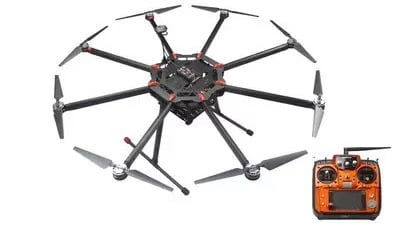
Drones may seem futuristic, but misconceptions about range, safety, and real-world performance persist. These gaps lead to misinformed decisions and costly delays in adoption. By separating hype from facts, we can unlock smarter strategies and viable battery choices for real-world deployment.
Delivery drones are unmanned aerial systems (UAS) designed for lightweight package transport. Key insights include limited flight times (typically under 30 minutes), strong dependence on battery energy density1, and logistical integration challenges2. Common sense dictates focusing on safe airspace management, weather-aware planning, and realistic payload-to-range expectations to ensure operational reliability.
What Types of Drones Are Commonly Used for Delivery Purposes?
Many assume all drones are alike, but drone types vary widely by payload, range, and cost. Choosing the wrong platform can lead to safety issues or inefficiency. Knowing the categories helps match the right tech to mission goals.
Delivery drones typically fall into three types: multirotor (e.g., quadcopters), fixed-wing, and VTOL (vertical takeoff and landing) hybrids. Multirotors are most common for short-range urban delivery due to their stability. Fixed-wing drones offer longer range but need more space to launch/land. VTOLs balance distance and agility for complex logistics.

Multirotors are great for urban, short-range deliveries, while fixed-wing drones excel in long-distance transportation. Hybrid drones offer a balance, combining the best features of both types. Each type is designed to meet different delivery requirements, including weight, distance, and terrain considerations.
In a world where efficiency and speed are crucial, understanding the different types of delivery drones is essential for making informed decisions. Each type of drone has its unique strengths and weaknesses, and the best choice depends on factors such as delivery distance, payload capacity3, and environment. Let’s take a deeper look at each type to help you make the right choice.
What Types of Drones Are Commonly Used for Delivery Purposes?
1. Multirotors
Multirotor drones are by far the most commonly used for deliveries, especially in urban environments. These drones feature multiple rotors—usually 4, 6, or 8—that allow them to take off and land vertically. This feature is essential for navigating crowded and confined spaces, such as urban centers or complex delivery zones like apartment buildings or office complexes. Their ability to hover in place also provides precise control over the delivery location, which is ideal for dropping packages in tight spaces.
| No. | Company Name | Establishment Year | Company Introduction | Technology Focus | Main Products | Headquarters Address |
|---|---|---|---|---|---|---|
| 1 | Contemporary Amperex Technology Co., Limited (CATL) | 2011 | World’s largest EV battery supplier with 37% market share, known for CTP technology. | Advanced battery technologies including CTP and solid-state batteries. | LiFePO4 cells, NCM cells, solid-state batteries | Ningde, China |
| 2 | BYD Company Limited | 1995 | Multinational company specializing in battery technology, EVs, and renewable energy. | Blade Battery technology using LiFePO4 for high safety and long life. | Blade Battery for EVs, LiFePO4 cells | Shenzhen, China |
| 3 | Gotion High-tech Co., Ltd. | 2006 | Leading global player in battery technology and energy solutions. | Ultra-fast charging (5C), high-nickel NCM cylindrical batteries, solid-state technology. | LiFePO4 prismatic cells (e.g., 340Ah, 27Ah), NCM cells | Luoyang, Henan, China |
| 4 | China Aviation Lithium Battery Co., Ltd. (CALB) | 2007 | High-tech enterprise specializing in lithium-ion batteries for aviation and EVs. | Aviation-certified batteries, SE series with 15% higher energy density. | LiFePO4 cells, NCM cells | Luoyang, China |
| 5 | EVE Energy Co., Ltd. | 2001 | Leading manufacturer of lithium-ion batteries for various applications. | Small-form LFP for IoT/medical, ultra-thin cells. | LiFePO4 cells, NCM cells | Huizhou, China |
| 6 | LG Energy Solution | 2020 | Major producer of lithium-ion batteries for EVs and energy storage. | High-density LFP for ESS, proprietary stacking technology. | LiFePO4 cells, NCM cells | Seoul, South Korea |
| 7 | Panasonic Corporation | 1918 | Global electronics company with a focus on battery technology. | Automotive-grade batteries with silicon-based anodes. | LiFePO4 cells, NCM cells | Osaka, Japan |
| 8 | Tianjin Lishen Battery Joint-Stock Co., Ltd. | 1997 | Leading Chinese battery manufacturer with a focus on LiFePO4. | Mass production expertise, high-speed production lines. | LiFePO4 cells, NCM cells | Tianjin, China |
| 9 | Sunwoda | 1997 | Consumer battery giant transitioning to LFP batteries for EVs. | Fast-charging LFP batteries. | LFP batteries, battery packs for EVs | Shenzhen, Guangdong, China |
| 10 | SVOLT Energy Technology Co., Ltd. | 2019 | Focuses on innovative battery solutions for EVs and energy storage. | Advanced battery systems for EVs and ESS. | LiFePO4 cells | Changzhou, China |
| 11 | Wanxiang A123 | 2010 | Subsidiary of Wanxiang Group, focusing on high-performance LFP batteries. | High-cycle-life LFP batteries. | LFP batteries for EVs, energy storage systems | Hangzhou, Zhejiang, China |
| 12 | Pylontech | 2009 | Leading provider of LFP-based energy storage solutions. | Energy storage optimization. | LFP battery systems for residential and industrial storage | Shanghai, China |
| 13 | BAK Power | 2001 | NASDAQ-listed company with diversified LFP battery production. | High-energy LFP cells. | LFP batteries for EVs, consumer electronics | Shenzhen, Guangdong, China |
| 14 | Great Power | 2001 | Focuses on LFP batteries for EVs and energy storage. | High-safety LFP cells. | LFP batteries for EVs (e.g., Wuling Hongguang MINI EV), energy storage | Guangzhou, Guangdong, China |
| 15 | Farasis Energy (Ganzhou) Co. | 2002 | Battery manufacturer specializing in fast-charging technology. | Fast-charging (0-80% in 15 minutes), proprietary electrolyte. | LiFePO4 cells | Ganzhou, China |
| 16 | Narada Power | 1994 | Specializes in LFP batteries for energy storage and telecom backup. | Long-cycle-life LFP batteries. | LFP batteries for energy storage, telecom infrastructure | Hangzhou, Zhejiang, China |
| 17 | Samsung SDI Co., Ltd. | 1970 | Major South Korean company producing batteries for various sectors. | LFP for residential/industrial ESS, multi-layer stacking. | LiFePO4 cells, NCM cells | Gyeonggi-Do, South Korea |
| 18 | REPT BATTERO Energy Co., Ltd. | 2017 | Specializes in LiFePO4 batteries for energy storage. | High-energy-density LiFePO4 cells. | LiFePO4 cells | Shenzhen, China |
| 19 | Tianneng Power | 1997 | Leading battery manufacturer with a focus on LiFePO4. | Safety, sustainability, R&D. | Prismatic, pouch cells | Changzhou, China |
| 20 | Valence Technology | 2001 | Pioneer in LiFePO4 cells with a focus on innovation. | Innovation, quality, safety. | Cylindrical, prismatic, pouch cells | Austin, TX, USA |
| 21 | Amperex Technology Limited (ATL) | 2001 | Part of CATL, focuses on consumer electronics batteries. | High-performance LiFePO4 for consumer electronics. | LiFePO4 cells | Ningde, China |
Pros of Multirotors for Delivery
- Vertical Takeoff and Landing (VTOL): No need for runways or large open areas for takeoff or landing, making them highly flexible for urban environments.
- Maneuverability: Excellent control over the drone’s position, allowing for precise landings in tight spaces.
- Short-Range Efficiency: Best suited for short to medium-range deliveries (up to 15 km), making them ideal for last-mile delivery in cities.
Cons of Multirotors for Delivery
- Limited Payload Capacity: Multirotors typically have a lower payload capacity compared to fixed-wing drones. They are better for lightweight parcels, food delivery, and small consumer goods.
- Battery Life: Due to the high power consumption required to maintain hover and perform vertical takeoffs, multirotors generally have shorter battery lives, which limits their flight time and range.
Multirotors are perfect for e-commerce deliveries, food delivery, and medical supply drops within urban areas where flexibility and precision are essential.
2. Fixed-Wing Drones
Fixed-wing drones are typically used for long-range deliveries, especially in rural or suburban areas where a more efficient flight path can be established. Unlike multirotors, fixed-wing drones have wings like traditional airplanes, which provide lift and allow them to fly much longer distances with higher speed and efficiency. These drones are powered by electric motors or combustion engines, depending on the size and range requirements.
Pros of Fixed-Wing Drones for Delivery
- Longer Range and Speed: Fixed-wing drones can fly up to 100 kilometers or more, making them ideal for long-distance deliveries that don’t require frequent stopping or hovering.
- Efficiency: Fixed-wing drones are more energy-efficient than multirotors, allowing them to cover larger distances with less battery drain. They use lift from their wings to stay in the air, which reduces the energy consumed during flight.
- Higher Payload Capacity: Fixed-wing drones can handle heavier loads than multirotors, which makes them suitable for delivering larger or bulkier parcels, such as medical supplies, larger e-commerce shipments, or even disaster relief packages.
Cons of Fixed-Wing Drones for Delivery
- Need for Runways or Launch Pads: Fixed-wing drones require a clear runway or launch area for takeoff. This limits their use in urban environments or areas with limited space.
- Limited VTOL Capability: These drones do not have the ability to take off and land vertically like multirotors, so they require a designated area for safe landing.
Fixed-wing drones are particularly effective for long-range delivery applications such as rural parcel delivery, agricultural monitoring, or relief aid distribution over large areas.
3. Hybrid Drones
Hybrid drones combine the best features of both multirotors and fixed-wing drones. They are designed to take off and land vertically (like a multirotor) but can transition to a fixed-wing mode for more efficient long-range flight. These drones offer a hybrid solution for companies needing both urban and long-distance delivery capabilities without needing multiple drone types.
Pros of Hybrid Drones for Delivery
- Flexibility: Hybrid drones can serve both short-range and long-range delivery needs, making them highly versatile for different applications.
- Efficient Long-Distance Flight: In fixed-wing mode, hybrid drones can cover longer distances at higher speeds, similar to traditional fixed-wing drones.
- Vertical Takeoff and Landing (VTOL): Like multirotors, hybrid drones can take off and land in tight spaces, making them ideal for urban deliveries.
Cons of Hybrid Drones for Delivery
- Complexity and Cost: Hybrid drones are more complex to design and operate, which often translates to higher initial costs and maintenance requirements.
- Energy Consumption: While hybrid drones are more efficient than pure multirotors for long flights, they still face challenges in terms of battery life and payload capacity compared to fixed-wing drones.
Hybrid drones are suited for applications that require versatility and the ability to switch between short-range urban deliveries and long-range rural deliveries. They are particularly useful for industries like parcel delivery, medical transport, and drone-based logistics for large companies.
4. Specialized Delivery Drones
In addition to general-purpose drones, there are specialized drones designed to meet the unique needs of specific industries. These drones come with custom features, like temperature-controlled compartments for medical deliveries or insulated carriers for food delivery. Some drones are designed to transport specific types of goods, such as pharmaceuticals or emergency medical supplies, and they come equipped with specialized payload systems.
For example:
- Food Delivery Drones may feature insulated storage compartments to keep food at the right temperature.
- Medical Delivery Drones are designed to transport delicate and temperature-sensitive items, such as vaccines, organs, or blood samples, with the utmost care.
These specialized drones are increasingly being used for industries where the nature of the cargo demands special handling or storage solutions.
Key Characteristics of Delivery Drones
When selecting a delivery drone, it’s important to consider the following key characteristics:
- Payload Capacity: The maximum weight the drone can carry. Multirotors typically handle lighter loads, while fixed-wing drones can transport bulkier items.
- Battery Life: The flight time of a drone before it needs to recharge. Multirotors generally have shorter battery lives, while fixed-wing drones can fly much longer.
- Range and Speed: The distance and speed the drone can cover in one trip. Fixed-wing drones excel in both range and speed, while multirotors are suited for shorter distances.
Battery Considerations for Drones
Battery technology plays a significant role in the performance of delivery drones. The most commonly used batteries in delivery drones are Li-ion (Lithium-ion)4 and LiPo (Lithium Polymer) batteries, with each having its advantages:
- Li-ion Batteries are generally more efficient and provide a longer flight time, making them ideal for long-range, fixed-wing drones.
- LiPo Batteries are lighter and provide higher energy density, which is beneficial for multirotors and drones requiring high bursts of power for takeoff and hovering.
Battery management systems (BMS)5 also play a crucial role in extending battery life, optimizing energy consumption, and preventing safety issues like overcharging or deep discharges. Understanding the battery characteristics and how they impact the overall performance of a delivery drone is critical for ensuring safe and efficient operations.
The type of drone chosen for delivery purposes depends on a variety of factors, including payload capacity, range, environment, and specific delivery needs. Multirotors are best for short-range, urban deliveries, while fixed-wing drones excel in long-distance flights. Hybrid drones offer flexibility, and specialized drones cater to specific industries. Choosing the right type of drone can significantly enhance delivery efficiency, speed, and cost-effectiveness.
How Much Weight Can Delivery Drones Typically Carry?
Miscalculating payload capacity leads to underperformance and flight risk. Many overestimate how much drones can carry on a single charge. Understanding true limits ensures safety and efficiency.
Most commercial delivery drones carry between 2 kg (4.4 lbs) and 5 kg (11 lbs), depending on battery size, motor power, and design. Advanced industrial drones may lift up to 20 kg (44 lbs), but this reduces flight time significantly. Battery chemistry and airframe material directly impact payload limits.
Multirotor drones typically carry smaller, lighter loads, ranging from 0.5 to 5 kilograms. Fixed-wing drones, being larger, can carry payloads of up to 20 kilograms or more. Hybrid drones combine the benefits of both designs and can handle intermediate payloads, typically between 5 to 15 kilograms.
Payload capacity is one of the most important factors when selecting a delivery drone, as it determines how much weight the drone can carry without compromising performance. While multirotors are great for lightweight deliveries, larger drones like fixed-wings are ideal for heavier parcels. Let’s dive deeper into how much weight different types of drones can carry and what it means for their usage in delivery services.
How Much Weight Can Delivery Drones Typically Carry?
1. Multirotor Drones
Multirotors are the most common type of delivery drone and are widely used for short-range urban deliveries. These drones typically have a limited payload capacity due to their smaller size and reliance on multiple motors for lift. Payload capacities for multirotors usually range between 0.5 to 5 kilograms, though some larger models can carry up to 10 kilograms.
Factors Affecting Payload Capacity in Multirotors
- Motor Power: The strength of the motors directly affects the drone’s ability to lift heavier loads. Higher power motors allow for heavier payloads.
- Battery Size and Weight: A larger battery increases the weight of the drone, reducing its available payload capacity. Efficient battery management is essential to balance the drone’s weight and payload capacity.
- Frame Design: The materials used in the drone’s frame (e.g., carbon fiber, plastic) influence its overall weight and payload capability. Lighter materials can increase payload capacity.
Pros of Multirotors for Small Payloads
- Flexibility: Multirotors are excellent for delivering small, lightweight items like documents, electronics, and small parcels.
- Precision: They can hover in place and land in tight, confined spaces, making them perfect for urban deliveries where space is limited.
Limitations
- Shorter Flight Time: Due to their lower payload capacity, multirotors are best suited for shorter flights. Carrying heavier loads reduces their flight time, making them less suitable for long-distance deliveries.
2. Fixed-Wing Drones
Fixed-wing drones are typically larger than multirotors and are designed for long-range deliveries. These drones can carry much heavier payloads, ranging from 10 to 20 kilograms, and in some cases, even more. Fixed-wing drones are more energy-efficient than multirotors because they use their wings to generate lift, reducing the need for constant motor power.
Factors Affecting Payload Capacity in Fixed-Wing Drones
- Wing Span and Design: The larger the wing span, the more lift the drone can generate, which allows it to carry heavier loads.
- Engine Power: Fixed-wing drones often rely on powerful motors or even internal combustion engines, allowing them to handle heavy payloads over long distances.
- Fuel or Battery: Fixed-wing drones may run on electric motors or combustion engines, with electric models relying on high-energy-density batteries, while combustion engines use fuel for longer flights. Both affect payload capacity and range.
Pros of Fixed-Wing Drones for Larger Payloads
- Long Range: Fixed-wing drones excel at delivering heavier loads over long distances (100 km or more). They are ideal for transporting bulkier items, such as medical supplies, larger e-commerce shipments, or even humanitarian aid.
- Higher Payload Capacity: Fixed-wing drones can carry payloads of 10-20 kilograms or more, which is significantly higher than multirotors.
Limitations
- Need for Launch and Landing Zones: Fixed-wing drones require larger spaces for takeoff and landing, making them less suitable for urban deliveries or areas without runways.
- Lack of VTOL: Unlike multirotors, fixed-wing drones cannot take off or land vertically, limiting their ability to deliver in confined spaces.
3. Hybrid Drones
Hybrid drones, which combine the advantages of both multirotors and fixed-wing drones, offer a middle ground when it comes to payload capacity. These drones can carry payloads between 5 and 15 kilograms, depending on their design. They are able to take off and land vertically (like multirotors) but can switch to fixed-wing mode for more efficient long-distance flight.
Factors Affecting Payload Capacity in Hybrid Drones
- Design Complexity: Hybrid drones are more complex than multirotors and fixed-wing drones, which can affect both their cost and payload capacity.
- Battery Management: The ability to switch between vertical takeoff/landing and fixed-wing flight requires efficient battery management to ensure optimal flight performance and power distribution.
Pros of Hybrid Drones for Intermediate Payloads
- Versatility: Hybrid drones can perform both short-range urban deliveries and long-range rural deliveries, offering a versatile solution for businesses.
- Higher Payload than Multirotors: Hybrid drones can carry heavier loads than multirotors, making them ideal for medium-sized deliveries.
Limitations
- Increased Cost and Complexity: Hybrid drones are more expensive and complex to operate, which may be a disadvantage for businesses looking for more cost-effective solutions.
To better understand the payload capacity of various delivery drones, let’s consider a few examples:
| Drone Type | Typical Payload Capacity | Typical Use Case | Flight Time Impact |
|---|---|---|---|
| Multirotor | 0.5 – 5 kg | Small e-commerce packages, food delivery | Shorter flight time with heavier load |
| Fixed-Wing | 10 – 20 kg | Medical supplies, bulk shipments, long-range delivery | Longer flight times, efficient over long distances |
| Hybrid | 5 – 15 kg | Mixed-use for short and long distances | Balanced payload and flight time |
Suppose a multirotor drone with a payload capacity of 5 kg is carrying a small parcel that weighs 2 kg. The drone’s battery capacity allows for a flight time of 30 minutes with the full 5 kg payload, but the flight time increases to 40 minutes when carrying just 2 kg. This demonstrates how lighter loads can extend the flight time of multirotors, making them more efficient for deliveries of smaller packages.
The payload capacity of delivery drones plays a key role in determining which type of drone is suitable for different delivery needs. Multirotors are best for lightweight deliveries in urban environments, fixed-wing drones excel at long-range, heavier deliveries, and hybrid drones offer a flexible option for both. By understanding these payload capacities, businesses can better select drones that meet their specific delivery requirements, ensuring efficiency, safety, and cost-effectiveness.
What Is the Usual Range and Speed of a Delivery Drone?
Range and speed aren’t just numbers—they affect turnaround times, delivery radius, and cost-per-drop. Misjudging either can ruin operational ROI. Reliable data matters when scaling fleets.
Typical delivery drones6 operate within a 10–25 km range (6–15 miles) and fly at speeds between 30–70 km/h (18–43 mph). Range depends on weight, wind, battery type, and terrain. Li-ion and LiPo batteries currently dominate, but semi-solid batteries may soon extend both flight time and safe range.
Multirotors typically have a range of 5 to 20 kilometers and speeds between 40 to 60 km/h. Fixed-wing drones offer much longer ranges of up to 100 kilometers or more and can reach speeds of 80 to 120 km/h. Hybrid drones combine the advantages of both, offering intermediate range and speed7.
For businesses, understanding the range and speed of delivery drones is critical in optimizing delivery operations. A drone’s performance in these areas impacts delivery times, costs, and overall efficiency. Let’s take a deeper dive into the range and speed of different drone types to help you make the right choice for your delivery services.
What Is the Usual Range and Speed of a Delivery Drone?
1. Multirotor Drones
Multirotor drones are typically used for short-range, last-mile deliveries in urban environments. These drones are known for their ability to take off and land vertically, making them suitable for delivering to locations with limited space. However, their range and speed are generally limited compared to fixed-wing drones, as they rely on their motors to generate both lift and thrust.
Range of Multirotor Drones
The range of multirotor drones typically varies from 5 to 20 kilometers, depending on the model, payload, and battery capacity. Some high-performance multirotors may exceed this range under ideal conditions, but the average range is usually in this range.
- Short-Range Deliveries: Multirotors are best suited for short-range deliveries, typically within cities, where the drone doesn’t need to travel far to reach its destination.
- Factors Affecting Range: The range of a multirotor is influenced by factors like payload weight, battery life, and flight conditions (e.g., wind speed, temperature).
Speed of Multirotor Drones
The speed of multirotor drones typically ranges from 40 to 60 km/h. While this speed is suitable for urban deliveries, it can be limiting in areas that require faster transportation over longer distances. The speed of multirotors is generally adequate for short-distance deliveries, such as documents, food, or small consumer goods.
- Urban Speed Limits: In crowded urban areas, the speed may be constrained by airspace regulations, potential obstacles, and the need for precise landings.
Pros of Multirotors for Range and Speed
- Precise Delivery: The ability to hover and land vertically makes multirotors highly suited for urban deliveries with tight drop-off locations.
- Speed for Short Distances: While their range may be limited, multirotors are relatively quick for short-distance deliveries, offering fast turnaround times within cities.
Limitations
- Range and Battery Life: Multirotors are less efficient over long distances and are affected more by payload weight, limiting their ability to perform longer deliveries efficiently.
- Battery Drain: The constant need to maintain vertical lift uses more energy, which reduces their battery life and range, especially when carrying heavier payloads.
2. Fixed-Wing Drones
Fixed-wing drones, with their airplane-like design, are built for longer-range deliveries. These drones do not require constant motor power for lift, allowing them to be more efficient and travel longer distances at higher speeds. Fixed-wing drones are ideal for delivering larger and heavier parcels over long distances, especially in rural or suburban areas where runways or open spaces are available for takeoff and landing.
Range of Fixed-Wing Drones
The range of fixed-wing drones is typically between 50 and 100 kilometers, with some models exceeding this range. These drones are more efficient in terms of battery usage, allowing them to cover larger areas in a single flight.
- Long-Range Deliveries: Fixed-wing drones are ideal for deliveries that need to cover long distances, such as medical supplies, bulk shipments, or disaster relief.
- Efficiency Over Distance: Fixed-wing drones use their wings to generate lift, which reduces the energy consumption and increases their overall range compared to multirotors.
Speed of Fixed-Wing Drones
Fixed-wing drones are faster than multirotors, typically reaching speeds of 80 to 120 km/h. This makes them suitable for time-sensitive deliveries that require both speed and long-range capabilities. The higher speed and longer range make fixed-wing drones well-suited for delivering goods over vast areas, such as large rural areas, farms, or remote locations.
- Speed Over Distance: Their higher speeds allow for faster deliveries over long distances, improving overall delivery efficiency.
Pros of Fixed-Wing Drones for Range and Speed
- Long-Range Efficiency: Fixed-wing drones are much more efficient for long-range deliveries, making them perfect for rural, suburban, or large-area deliveries.
- High Speed: Their higher speeds enable quicker deliveries, especially in less congested areas, improving efficiency and reducing operational costs.
Limitations
- Need for Runways: Fixed-wing drones require a designated launch and landing zone, limiting their flexibility in urban environments.
- No Vertical Takeoff: Unlike multirotors, fixed-wing drones cannot take off or land in tight spaces, which means they cannot be used for deliveries in crowded or confined areas.
3. Hybrid Drones
Hybrid drones combine the features of both multirotors and fixed-wing drones. These drones offer the advantage of vertical takeoff and landing, along with the long-range efficiency of fixed-wing flight. Hybrid drones are particularly useful for businesses that need the flexibility to deliver in both urban and rural settings.
Range of Hybrid Drones
The range of hybrid drones typically falls between 20 and 50 kilometers, depending on their size, design, and power system. These drones are ideal for intermediate-distance deliveries, making them highly versatile for a range of applications.
- Flexible Range: Hybrid drones are suitable for deliveries that span both short and long distances, offering a balance between the range of fixed-wing drones and the vertical takeoff capabilities of multirotors.
Speed of Hybrid Drones
Hybrid drones offer speeds that are generally between the speeds of multirotors and fixed-wing drones, typically ranging from 50 to 100 km/h. They can achieve higher speeds than multirotors while maintaining the ability to take off and land vertically, offering a versatile solution for various delivery scenarios.
- Versatile Speed: The combination of vertical takeoff and efficient flight mode makes hybrid drones suitable for both fast urban deliveries and long-range rural deliveries.
Pros of Hybrid Drones for Range and Speed
- Balance of Speed and Range: Hybrid drones provide a perfect balance of speed and range for deliveries that require versatility.
- Urban and Rural Flexibility: They can take off and land in urban areas with limited space while providing efficient long-range flight for rural or suburban deliveries.
Limitations
- Increased Complexity: Hybrid drones are more complex and expensive than single-mode drones, which could be a disadvantage for businesses looking for cost-effective solutions.
The range and speed of delivery drones depend on the type of drone chosen. Multirotors are suitable for short-range urban deliveries, while fixed-wing drones are designed for long-range deliveries. Hybrid drones offer a balance of both, providing flexibility for businesses with diverse delivery needs. By understanding the range and speed capabilities of each type, businesses can make informed decisions to optimize delivery efficiency and meet customer expectations.
How Do Delivery Drones Navigate and Avoid Obstacles During Flight?
Crashes or near-misses from poor navigation systems8 are costly and dangerous. Relying on GPS alone isn’t enough. Redundant systems are critical in complex environments.
Delivery drones use GPS, IMUs (inertial measurement units), LiDAR, ultrasonic sensors, and onboard cameras to navigate and avoid obstacles. AI-driven autopilot systems help detect buildings, trees, and birds in real time. Redundancy in sensors ensures accuracy in urban, rural, and low-signal environments. Flight safety depends on smart pathfinding.
GPS allows drones to follow planned flight paths, while sensors (such as LiDAR, ultrasonic, and visual cameras) help detect and avoid obstacles. Many drones are also equipped with AI and machine learning to improve their decision-making and adaptability during flight, enhancing safety and efficiency.
Navigating the skies and avoiding obstacles is critical for the safety and efficiency of delivery drones. The combination of different technologies enables drones to adapt to a variety of environments and obstacles. Let’s explore how these navigation systems work in detail and what makes them so effective in ensuring smooth deliveries.
How Do Delivery Drones Navigate and Avoid Obstacles During Flight?
1. GPS and Autonomous Navigation Systems
Global Positioning System (GPS) is the primary technology used by most delivery drones to follow pre-set flight paths and navigate over long distances. GPS allows drones to maintain their position and follow the planned route with high accuracy. However, in environments with limited GPS signals, such as urban canyons between tall buildings or inside large buildings, GPS alone is insufficient.
Autonomous Navigation with GPS
Most delivery drones are equipped with autonomous navigation systems that utilize GPS coordinates to plot routes and follow them automatically. These systems use waypoints to ensure the drone remains on track and can even adjust its path if necessary.
- Waypoint Navigation: Drones use GPS waypoints to mark key locations on the flight path. The drone automatically adjusts its flight to stay on course and reach the destination.
- Real-time Adjustments: If a drone encounters unexpected weather conditions or obstacles, its autonomous navigation system can re-route the drone or modify its speed and altitude.
Limitations of GPS-Only Navigation
- Urban Environments: In cities with tall buildings, GPS signals can be weak, causing errors in navigation or loss of signal. To mitigate this, drones use additional systems to support their navigation in GPS-denied environments.
- Indoor Navigation: For indoor deliveries, GPS is not available, requiring drones to rely on other technologies to navigate.
2. Obstacle Detection and Avoidance Systems
Obstacle avoidance is a critical function of delivery drones, ensuring they can detect and avoid obstacles such as trees, buildings, or other drones. To achieve this, drones are equipped with a variety of sensors that enable them to "see" their surroundings and make real-time decisions.
Types of Sensors for Obstacle Detection
- LiDAR (Light Detection and Ranging): LiDAR sensors use laser beams to map the environment and detect obstacles by measuring the time it takes for the light to bounce back. LiDAR is highly accurate and can create detailed 3D maps of the surroundings, helping drones navigate in complex environments.
- Ultrasonic Sensors: These sensors emit sound waves to detect objects in the drone’s path. They are often used for close-range detection and help drones avoid low-hanging obstacles such as branches or power lines.
- Computer Vision (Visual Cameras): Cameras equipped with computer vision algorithms allow drones to visually identify objects, obstacles, and even pedestrians in their flight path. Machine learning algorithms help the drone understand the environment and react accordingly.
- Infrared Sensors: These sensors use infrared light to detect objects in low-visibility environments, such as at night or in foggy conditions.
Combining Sensors for Better Accuracy
Many advanced delivery drones combine these sensors to create a multi-layered system for obstacle detection and avoidance. By fusing data from LiDAR, ultrasonic, and visual cameras, drones can better identify obstacles at various distances and altitudes, enabling more precise and safe navigation.
- Avoiding Trees: When a drone flying through a forest detects a tree in its path using LiDAR, it can adjust its flight path in real-time to fly around the obstacle.
- Urban Navigation: In an urban environment, drones can use ultrasonic sensors to detect and avoid low-hanging obstacles like wires or air conditioning units while relying on GPS for long-range navigation.
3. Artificial Intelligence and Machine Learning
Artificial Intelligence (AI) plays a key role in enabling drones to make decisions based on the data gathered from their sensors. By integrating machine learning algorithms, drones can learn from their surroundings and adapt their behavior in real-time.
AI-Driven Decision-Making
AI allows drones to process data from multiple sensors and make complex decisions, such as:
- Re-routing in Real-Time: If an obstacle is detected in the flight path, AI can calculate a new route to avoid the obstruction while still ensuring that the delivery reaches its destination.
- Predicting Obstacles: Machine learning algorithms help drones predict potential obstacles by analyzing patterns in their environment, allowing them to adjust their flight path preemptively.
- Improving Flight Efficiency: AI can optimize flight paths to reduce energy consumption or improve delivery times based on environmental conditions such as wind speed or battery charge levels.
Benefits of AI in Obstacle Avoidance
- Faster Response Times: AI-driven drones can respond to obstacles faster than traditional systems, improving flight safety.
- Enhanced Accuracy: Machine learning allows drones to continuously improve their navigation and obstacle detection capabilities over time.
- Autonomous Operations: With AI, drones can operate autonomously for longer periods without human intervention, making them ideal for large-scale delivery operations.
4. Geofencing and No-Fly Zones
Geofencing is another important safety feature that restricts drone movement to designated areas. This is particularly useful for keeping drones out of restricted or sensitive areas, such as airports, government buildings, or crowded public spaces.
How Geofencing Works
Geofencing uses GPS coordinates to create virtual boundaries or "geofences" around certain areas. If a drone approaches or enters a no-fly zone, the system will trigger an alert or automatically reroute the drone to avoid the restricted area.
- Safety in Restricted Zones: Geofencing ensures that drones cannot accidentally fly into restricted or dangerous areas, helping to prevent accidents and violations of airspace regulations.
- Real-Time Monitoring: Operators can monitor the drone’s location in real-time to ensure it stays within the safe and approved flight zones.
5. Collaborative Navigation and Swarming Technology
For future applications, drones may be able to work together in fleets (known as "swarming") to complete deliveries. In these systems, multiple drones can communicate with each other to avoid collisions and share information about obstacles.
How Collaborative Navigation Works
- Communication Between Drones: Drones within a fleet share real-time data about obstacles, flight paths, and delivery points, enabling them to avoid collisions and improve overall efficiency.
- Dynamic Re-routing: If one drone encounters an obstacle, the others in the swarm can adjust their paths accordingly, ensuring that the entire fleet remains operational.
Navigation and obstacle avoidance are critical components of a successful drone delivery system. With a combination of GPS, sensors, AI, and machine learning, delivery drones are able to safely navigate complex environments, detect obstacles, and make real-time decisions. These technologies ensure that drones can deliver packages efficiently, safely, and autonomously, even in challenging environments. By leveraging these advancements, delivery companies can provide reliable and safe service to their customers.
What Kinds of Goods Can Be Transported by Delivery Drones?
Thinking drones can replace all ground transport is unrealistic. They shine in specific niches. Knowing the right use cases makes drone deployment profitable and scalable.
Drones commonly transport small, lightweight goods such as medical supplies, blood samples, prescription drugs, food items, e-commerce packages, tools, and documents. The ideal cargo weighs under 5 kg and fits into aerodynamic compartments. Drones are especially useful in remote, emergency, or last-mile delivery contexts where speed is vital.
Multirotors are often used for lightweight items, while fixed-wing drones can carry heavier loads. The suitability of goods for drone transport depends on factors such as size, weight, fragility, and regulatory constraints.
Knowing which goods are best suited for drone delivery is essential for building a successful and efficient delivery operation. Different drones have different capabilities, so it’s important to match the right type of drone to the right type of goods. Let’s explore the kinds of products that can be delivered by drones and how businesses can optimize their services.
What Kinds of Goods Can Be Transported by Delivery Drones?
1. Small Parcels and E-commerce Goods
E-commerce shipments are some of the most common types of goods delivered by drones. With the rise of online shopping, businesses are increasingly looking for faster, more efficient delivery solutions. Drones can transport small packages, such as electronics, clothing, and books, with ease.
Typical Goods Delivered:
- Clothing and Accessories: Drones are great for delivering small apparel items like T-shirts, jackets, and accessories, which are light and easy to transport.
- Electronics: Small electronics, such as smartphones, tablets, and portable devices, are common drone delivery items due to their compact size and relatively low weight.
- Books and Documents: Delivery drones are often used to transport lightweight documents, books, and other paper-based items, which can fit easily within a drone’s payload capacity.
Considerations:
- Packaging: For items like electronics, it’s important to use packaging that protects against impacts and environmental factors. Drones need secure packaging to prevent damage during flight.
- Weight Limitations: While drones can handle small parcels, payload weight is a significant consideration. The heavier the item, the less the drone can carry, so lightweight items are ideal for drone transport.
2. Food and Perishable Items
Food delivery is one of the most promising applications for drones. Drones can be used to deliver fast-food orders, groceries, and other perishable goods. Companies like Uber Eats and DoorDash have already tested food delivery with drones, showing that the technology is viable for quick, urban deliveries.
Typical Goods Delivered:
- Fast Food: Items such as burgers, sandwiches, and pizza are popular food types delivered by drones due to their relatively compact size and low weight.
- Groceries: Items like fruit, vegetables, and packaged goods can also be delivered by drones, especially for urban customers looking for fast, last-mile delivery9.
- Fresh Produce: Drones can be used to deliver fresh produce, such as flowers or organic products, within local areas.
Considerations:
- Temperature Control: For perishable items, especially food, temperature regulation is a concern. Drones designed for food delivery often feature insulated compartments or active cooling systems to maintain product quality during transit.
- Packaging: Proper packaging is essential to prevent spills, contamination, and damage. Special food-grade containers or packaging materials are needed for safe and hygienic transport.
3. Medical Supplies and Pharmaceuticals
Medical deliveries are one of the most critical applications for drones, particularly in remote or hard-to-reach areas. Drones are used to deliver essential medical supplies, blood samples, vaccines, and even organs for transplant. Due to their ability to bypass road traffic, drones can significantly reduce delivery times for time-sensitive medical deliveries.
Typical Goods Delivered:
- Blood Samples and Test Kits: Drones are ideal for transporting blood samples, test kits, and medical devices for diagnostics between hospitals or clinics.
- Vaccines: Drones can transport temperature-sensitive vaccines, ensuring that they arrive at their destination quickly and safely without compromising quality.
- Organ Transplants: Drones have been used for delivering organs for transplants, where speed is crucial for the success of the operation.
Considerations:
- Temperature Sensitivity: Medical deliveries often require strict temperature control10. Drones designed for medical deliveries are equipped with refrigerated compartments or temperature-controlled boxes to maintain the integrity of sensitive goods.
- Security: Drones delivering medical items may need to be equipped with enhanced security features to ensure the safety and confidentiality of the goods.
- Regulatory Considerations: Medical deliveries often involve regulatory guidelines and legal requirements, particularly for transporting biological samples or controlled substances.
4. Larger Items and Heavy Goods (Fixed-Wing Drones)
While multirotor drones are best for lightweight deliveries, fixed-wing drones are ideal for larger and heavier items. These drones are used for more substantial deliveries, such as industrial parts, heavy equipment, and bulk shipments. They can carry up to 20 kilograms or more, depending on the model.
Typical Goods Delivered:
- Industrial Equipment: Fixed-wing drones are used for transporting heavy equipment parts, such as machinery components, tools, and automotive parts.
- Disaster Relief Supplies: During natural disasters, drones have been used to deliver larger quantities of goods like food, water, and emergency medical supplies to remote or inaccessible areas.
- Bulk Shipments: These drones can also handle bulk items like construction materials or packages that exceed the weight limits of multirotor drones.
Considerations:
- Transportation Infrastructure: Larger drones may require dedicated infrastructure, such as launch pads or delivery hubs, to handle heavier goods effectively.
- Landing Zones: Unlike multirotor drones, fixed-wing drones require clear space for takeoff and landing, which may limit their use in urban areas without appropriate infrastructure.
5. Emergency and Humanitarian Supplies
Drones can also be used to deliver emergency supplies11 in response to natural disasters or humanitarian crises. Drones are capable of quickly delivering critical supplies like food, water, and medicine to remote or disaster-stricken areas where road access may be blocked or unavailable.
Typical Goods Delivered:
- Emergency Kits: Drones can deliver first-aid kits, medicines, and rescue supplies to areas where traditional delivery methods are impossible.
- Food and Water: In disaster relief operations, drones can transport food and water to survivors in remote locations, bypassing roadblocks caused by flooding, landslides, or other natural disasters.
Considerations:
- Urgency: Drones are valuable for their ability to deliver supplies quickly to areas that need immediate assistance, ensuring that vital goods reach people in time.
- Logistical Challenges: Delivering emergency supplies by drone requires careful planning to ensure the drones can access the affected areas safely and efficiently.
Delivery drones are versatile tools capable of transporting a wide range of goods, from small parcels and food to medical supplies and even larger industrial items. Understanding what goods can be transported by drones helps businesses select the right type of drone for specific applications, ensuring that products arrive safely, efficiently, and on time. As drone technology advances, we can expect even more industries to benefit from this innovative delivery method.
What Are the Main Benefits of Using Drones for Last-Mile Delivery?
Last-mile delivery is the most expensive, slowest part of the supply chain. Congested roads and rising costs make traditional delivery unsustainable. Drones offer a better path forward.
The key benefits of drone delivery include reduced traffic congestion, faster delivery times, lower emissions, and improved access to hard-to-reach locations. Drones lower operating costs in rural and urban areas alike. They also reduce human labor needs, improving logistics resilience in healthcare, e-commerce, and emergency services.
Drones can bypass traffic, reduce reliance on human labor, and increase delivery efficiency, leading to better customer satisfaction and lower operational costs for businesses.
As demand for faster delivery continues to grow, businesses are turning to drones for last-mile delivery. These benefits are transforming logistics, particularly in urban areas where traffic congestion and delivery bottlenecks are common. Let’s dive deeper into the specific advantages that drones provide for last-mile delivery.
What Are the Main Benefits of Using Drones for Last-Mile Delivery?
1. Faster Delivery Times
One of the most significant advantages of using drones for last-mile delivery is speed. Drones are not subject to the delays caused by traffic congestion, road closures, or other obstacles that affect traditional delivery methods. By flying directly to the destination, drones can bypass road traffic and complete deliveries much more quickly.
Key Benefits:
- Bypass Traffic: Drones can travel directly to the destination without the need to navigate through traffic, significantly reducing delivery time.
- Faster Turnaround: Drones can be deployed more quickly than traditional delivery vehicles, enabling businesses to offer faster shipping options to customers.
- Increased Capacity: With faster delivery times, businesses can handle more deliveries in a shorter amount of time, increasing operational efficiency.
A drone can deliver a package in an urban environment in 15 minutes, compared to 30-45 minutes using a traditional delivery truck. This allows businesses to meet tighter delivery windows and improve customer satisfaction.
2. Cost Savings
Delivery drones can lead to significant cost savings by reducing the need for traditional delivery vehicles, fuel, and human labor. Drones can also operate autonomously, meaning fewer personnel are needed to manage the delivery process, further lowering operational costs.
Key Benefits:
- Lower Fuel Costs: Drones use electric power, which is more cost-effective than the fuel used by traditional delivery trucks.
- Reduced Labor Costs: With autonomous drones, the need for drivers and delivery personnel is minimized, lowering labor costs.
- Efficient Use of Resources: Drones reduce the number of vehicles on the road, helping businesses optimize fleet usage and reduce overhead costs.
In urban areas, where delivery trucks often face traffic delays and high fuel costs, drones can deliver goods at a fraction of the cost of traditional vehicles. Businesses save on fuel, maintenance, and labor while increasing the speed of deliveries.
3. Reaching Hard-to-Access Areas
Drones are particularly useful for delivering to locations that are difficult or impossible for traditional vehicles to reach. This includes remote or rural areas, dense urban environments, and locations with limited infrastructure. Drones can take off and land vertically, making them ideal for areas without roads or those with restricted access.
Key Benefits:
- Rural Deliveries12: Drones can quickly deliver goods to remote locations without the need for expensive and time-consuming road infrastructure.
- Urban Deliveries in Dense Areas: In cities with narrow streets, limited parking, or heavy traffic, drones can easily navigate and reach customers directly.
- Flexible Delivery Locations: Drones can land in places that are not accessible by vehicles, such as rooftops, backyards, or other unconventional locations.
In remote rural areas, drones can deliver essential goods such as medical supplies or emergency kits to locations where road access is limited or impossible. This enables faster response times and better service in critical situations.
4. Reducing Environmental Impact
Drones offer a more sustainable delivery option compared to traditional delivery vehicles. With electric-powered engines, drones produce significantly fewer emissions than gasoline-powered trucks or vans. This reduction in carbon emissions helps businesses improve their sustainability and reduce their environmental footprint.
Key Benefits:
- Lower Carbon Emissions13: Electric drones produce zero emissions, making them a greener alternative to traditional delivery vehicles.
- Energy Efficiency: Drones use less energy per unit of distance traveled compared to ground vehicles, reducing overall energy consumption.
- Sustainability Marketing: Companies that use drones for delivery can promote their environmentally friendly practices, which can attract eco-conscious consumers and enhance their brand reputation.
By switching to drones for deliveries, a company could reduce its carbon footprint by eliminating the need for gasoline-powered vehicles for short-distance deliveries. This not only benefits the environment but can also be an attractive selling point to customers.
5. Enhanced Flexibility and Scalability
Drones offer greater flexibility and scalability compared to traditional delivery methods. As demand for deliveries increases, drones can easily be added to the fleet to handle higher volumes without the need for significant infrastructure upgrades.
Key Benefits:
- Flexible Fleet Expansion: Businesses can scale up drone operations quickly to meet growing demand, without needing to invest in new delivery vehicles or hire additional drivers.
- Adaptability: Drones can be used for a variety of delivery types, including urgent deliveries, last-minute orders, and scheduled deliveries, making them versatile for different business needs.
- On-Demand Delivery: Drones can be deployed instantly to handle urgent deliveries, giving businesses the ability to offer on-demand delivery services to customers.
During peak shopping seasons or promotional sales, a business can deploy additional drones to handle the surge in orders, ensuring that deliveries are made on time without the need for extra trucks or drivers.
6. Improved Customer Experience
Using drones for last-mile delivery can significantly improve the customer experience by providing faster, more reliable service. Customers appreciate the ability to receive their orders more quickly, and the convenience of drone delivery can differentiate a business from its competitors.
Key Benefits:
- Quicker Delivery Times: Customers receive their orders faster, improving satisfaction and loyalty.
- Real-Time Tracking: Drones equipped with GPS allow customers to track their deliveries in real-time, providing transparency and reducing uncertainty.
- Innovation and Appeal: Offering drone delivery is an innovative way to attract tech-savvy customers who value cutting-edge solutions and faster service.
A customer who places an online order can receive their item via drone within 30 minutes, rather than the typical 1-2 hour wait time for traditional services. This quick turnaround time can increase customer satisfaction and encourage repeat business.
The benefits of using drones for last-mile delivery are clear: faster delivery times, cost savings, access to hard-to-reach areas, reduced environmental impact, scalability, and improved customer experience. As drone technology continues to advance, businesses can leverage these advantages to streamline their logistics, reduce operational costs, and meet the growing demand for quicker, more reliable deliveries. With drones, the future of last-mile delivery looks faster, greener, and more efficient than ever before.
What Safety, Regulatory, and Weather Challenges Do Delivery Drones Face?
Overlooking legal and weather risks can ground entire drone programs. Safety isn’t optional—it’s foundational. Navigating airspace laws and nature’s unpredictability takes planning and foresight.
Delivery drones face challenges like FAA and EASA airspace regulations, no-fly zones, and pilot certification requirements. Weather risks include rain, wind, and extreme temperatures, which reduce battery performance and increase crash risk. Ensuring safe BVLOS (beyond visual line of sight) operations requires strong redundancy, real-time telemetry, and compliance.
Safety concerns, regulatory compliance, and unpredictable weather can impact drone performance and delivery efficiency. However, with proper planning and technology, businesses can mitigate these challenges and ensure smooth operations.
As drone delivery continues to evolve, it’s important to understand the various hurdles that may arise. By addressing these challenges head-on, businesses can maintain a safe and compliant operation while ensuring reliable service. Let’s dive deeper into the specific safety, regulatory, and weather-related challenges drones face.
What Safety, Regulatory, and Weather Challenges Do Delivery Drones Face?
1. Safety Concerns and Collision Risks14
Safety is a critical consideration for delivery drones. These vehicles must operate safely in environments that often contain obstacles, such as trees, buildings, power lines, and even other drones. The risk of collisions, whether with other objects or between drones in a fleet, remains one of the primary challenges in drone delivery.
Collision Risks and Prevention
- Obstacle Detection: Drones are equipped with sensors such as LiDAR, ultrasonic sensors, and cameras to detect obstacles in their flight path. However, even the most advanced systems may not be able to detect all obstacles, especially in poor visibility or cluttered environments.
- Air Traffic Management: As drone usage increases, there’s a growing need for systems to manage air traffic, similar to how manned aircraft are managed. In congested airspaces, drones need to communicate and coordinate to avoid collisions.
Key Safety Measures:
- Autonomous Navigation: Using autonomous systems that allow drones to detect and avoid obstacles in real-time is critical to reducing collision risks.
- Geofencing: Geofencing technology can be used to create virtual barriers around no-fly zones, preventing drones from entering areas where they could pose a safety risk.
In a busy urban area, drones must navigate around skyscrapers, power lines, and pedestrians. An advanced collision avoidance system that uses multiple sensors can help the drone avoid hitting any obstacles, ensuring safe operation.
2. Regulatory Challenges
Drone operations are subject to a variety of regulations that vary by country and region. Governments have established rules regarding airspace use, safety protocols, and operational restrictions that businesses must adhere to. Navigating these regulatory requirements is one of the key challenges facing the drone delivery industry.
Regulatory Challenges:
- Airspace Restrictions: Many countries require drones to operate within designated airspace, and certain areas (e.g., near airports, government buildings, or crowded events) are off-limits. Drone operators must obtain permissions and adhere to no-fly zones.
- Licensing and Certification: To operate commercially, drone operators must be licensed. In some regions, this includes obtaining certifications for drones themselves, especially if they are carrying cargo.
- Privacy Concerns: Drones equipped with cameras and sensors may inadvertently capture private or sensitive information, raising privacy concerns. Businesses must ensure that their operations comply with privacy laws to avoid legal issues.
Key Regulatory Solutions:
- Compliance with Local Regulations: Businesses must stay up-to-date with the regulatory requirements in the areas where they operate, including obtaining the necessary permits and certifications.
- Air Traffic Control Systems for Drones: Developing integrated air traffic management systems for drones will be essential for ensuring safe and regulated airspace use.
In the U.S., the Federal Aviation Administration (FAA) imposes strict rules on drone operations, including restrictions on flying above certain altitudes, near airports, and in congested areas. Compliance with these rules is essential to avoid fines or shutdowns.
3. Weather Challenges
Weather conditions are one of the most unpredictable factors affecting drone delivery. Drones rely on stable weather conditions for safe operation, and adverse weather conditions, such as high winds, heavy rain, snow, or fog, can significantly impair a drone’s ability to fly.
Weather-Related Challenges:
- Wind: High winds can make it difficult for drones to maintain stability, especially for multirotors. Winds above 25-30 km/h can force a drone off course or cause it to crash.
- Rain and Snow: Precipitation can damage drone components, especially electronics, or affect sensor performance. Wet conditions also make it harder for drones to maintain grip during takeoff and landing.
- Visibility: Poor visibility caused by fog, low clouds, or nighttime conditions can hinder the drone’s ability to navigate and avoid obstacles safely.
- Temperature: Extreme temperatures can affect battery life and performance, reducing the drone’s range and flight time.
Key Weather Mitigation Strategies:
- Weather-Resistant Drones15: Drones designed to withstand various weather conditions, such as waterproof or weatherproof drones, are essential for operation in areas with unpredictable weather.
- Pre-Flight Weather Checks: Businesses must perform thorough weather assessments before each flight to ensure that conditions are safe for drone operation. This includes checking wind speeds, precipitation levels, and other weather factors that could affect the flight.
- Automation and Monitoring Systems: Real-time monitoring of weather conditions, integrated into flight planning systems, allows drones to make immediate adjustments or delay operations if needed.
During a storm, a delivery drone may face challenges navigating through high winds and heavy rain. Drones equipped with weatherproofing and advanced sensors can continue flying in light rain, but they would likely be grounded during severe weather conditions for safety.
4. Security and Data Protection
With drones collecting data through cameras, sensors, and GPS systems, ensuring the security and protection of sensitive data is crucial. Drones are vulnerable to cyber-attacks, hacking, and unauthorized access, which could result in data theft, equipment manipulation, or safety hazards.
Security Challenges:
- Data Breaches: Drones transmitting real-time data about their location and flight path could be intercepted, posing a risk to both business operations and customer privacy.
- Cybersecurity Threats: Drones that rely on wireless communication for navigation are vulnerable to hacking attempts, which could interfere with their operation or cause them to be hijacked.
Key Security Solutions:
- Encrypted Communications: Using encrypted communication channels to transmit data from drones to ground stations helps protect against interception and data breaches.
- Secure Data Storage: Ensuring that all sensitive information is securely stored and that data transmissions are protected from unauthorized access is critical for operational security.
A drone carrying medical supplies to a remote area could be hijacked if its communication system is not secure. By using encryption and advanced cybersecurity measures, businesses can prevent such incidents and protect their delivery operations.
While drones offer tremendous potential for last-mile delivery, they are not without their challenges. Safety concerns, regulatory hurdles, and weather conditions must be carefully considered and managed to ensure successful and compliant operations. By addressing these challenges through advanced technology, regulatory compliance, and careful planning, businesses can enhance the safety, reliability, and efficiency of their drone delivery systems.
How Do Battery Technology and Power Management Affect Delivery Drone Performance?
Poor battery planning leads to mid-air failures and limited routes. Drone performance is tightly linked to battery chemistry and how energy is managed in-flight.
Battery type determines drone range, weight capacity, and recharge time. Li-ion batteries offer good energy density, while LiFePO4 is safer but heavier. LiPo batteries provide high discharge rates for agility. Semi-solid-state batteries promise longer life and improved safety. Smart BMS (Battery Management Systems) optimize power use and prevent overloads.
The type of battery, its capacity, and how power is managed during flight directly impact drone performance. Lithium-ion (Li-ion) and lithium polymer (LiPo) batteries are the most commonly used in delivery drones, and efficient power management systems are essential for maximizing battery life and ensuring safe operations.
Battery performance is often the limiting factor for delivery drones, and understanding how to optimize battery technology and power management is essential for improving drone efficiency. Let’s take a deeper look at how different battery technologies affect drone performance and what businesses can do to maximize their potential.
How Do Battery Technology and Power Management Affect Delivery Drone Performance?
1. Battery Types Used in Delivery Drones
Delivery drones typically rely on two main types of batteries: lithium-ion (Li-ion) and lithium polymer (LiPo). Both have distinct advantages and drawbacks that affect their suitability for different drone applications.
Lithium-Ion (Li-ion) Batteries
Li-ion batteries are the most widely used type of rechargeable battery in drones due to their high energy density and relatively longer lifespan. These batteries are ideal for long-range flights, as they provide a good balance between capacity and weight.
-
Advantages:
- Higher Energy Density: Li-ion batteries can store more energy in a smaller space, which allows drones to fly longer distances without increasing size or weight.
- Longer Cycle Life: Li-ion batteries typically last longer than LiPo batteries, making them ideal for drones that are used frequently and require longer-term cost efficiency.
- Stability and Safety: Li-ion batteries are more stable and less prone to swelling or leakage compared to LiPo batteries.
-
Disadvantages:
- Slower Charging: Li-ion batteries generally take longer to charge compared to LiPo batteries, which may impact the turnaround time for drone operations.
- Lower Discharge Rate: Li-ion batteries may not provide the high discharge rates required for drones with high power demands, such as those needing fast takeoffs or handling heavy payloads.
Lithium-Polymer (LiPo) Batteries16
LiPo batteries are also widely used in drones due to their lighter weight and ability to provide higher discharge rates. They are particularly suited for applications where power and speed are required in a short burst, such as multirotor drones.
-
Advantages:
- Higher Discharge Rate: LiPo batteries can deliver high bursts of power, which is ideal for multirotor drones that require quick takeoff and hover capabilities.
- Lightweight: LiPo batteries are lighter than Li-ion batteries, which helps reduce the overall weight of the drone and improves its maneuverability.
- Faster Charging: LiPo batteries charge faster than Li-ion batteries, enabling quicker turnaround times for delivery drones.
-
Disadvantages:
- Shorter Lifespan: LiPo batteries typically have a shorter cycle life compared to Li-ion batteries, meaning they will need to be replaced more frequently.
- Risk of Swelling and Leakage: LiPo batteries are more prone to damage if overcharged or punctured, which can pose a safety risk if not handled properly.
- Lower Energy Density: LiPo batteries have lower energy density than Li-ion batteries, meaning they generally provide shorter flight times for the same weight.
Choosing Between Li-ion and LiPo for Delivery Drones
The choice between Li-ion and LiPo batteries depends on the type of drone and its intended use. Li-ion batteries are more suited for long-range and high-efficiency applications, where extended flight times are critical. LiPo batteries are ideal for shorter, high-power applications, such as urban deliveries with frequent takeoffs and landings.
2. Power Management Systems
Power management systems (PMS) are essential for ensuring that drones operate efficiently and safely. These systems monitor the battery’s health, manage power distribution, and ensure that the drone’s flight time is optimized.
Key Functions of Power Management Systems:
- Battery Health Monitoring: Power management systems monitor the health of the battery by checking parameters such as voltage, temperature, and charge cycles. This helps prevent overcharging, deep discharging, and overheating, which can damage the battery and reduce its lifespan.
- Energy Distribution: A PMS ensures that the drone’s motors, sensors, and onboard systems receive adequate power during flight. It also balances the power between the motors and other components to prevent sudden power shortages or imbalances.
- Real-Time Power Adjustments: During flight, the PMS adjusts power distribution based on real-time data from the drone’s sensors, ensuring that the drone operates efficiently and safely.
Power Management for Longer Flight Times:
To extend flight times, efficient power management is crucial. A good PMS can reduce unnecessary energy consumption by optimizing the flight path, minimizing hovering time, and reducing motor power when full speed is not required. It can also prioritize power for essential systems like navigation and obstacle avoidance.
3. Impact of Battery Size and Weight
The size and weight of a battery significantly affect a drone’s performance, including its payload capacity, flight time, and maneuverability. A heavier battery means the drone must use more energy to lift the additional weight, which can reduce flight time and affect the overall efficiency of the operation.
Balancing Battery Size and Payload:
- Small Batteries: Drones with small batteries can handle lightweight parcels, but their limited power means they are suited for short-range deliveries.
- Large Batteries: Drones with large batteries can carry heavier payload17s and travel longer distances, but the added weight of the battery can reduce overall efficiency, especially for small payloads.
A well-balanced battery design ensures that the drone can carry both its payload and its power supply efficiently, without compromising performance.
4. Battery Life and Charging Efficiency
Battery life is one of the most important factors affecting drone performance. Long-lasting batteries can allow for more deliveries in a given time period, while short battery lives can lead to downtime and delays.
Charging and Quick Turnaround:
- Fast Charging Technology: Some drones are designed with fast-charging batteries that enable a quicker turnaround between flights. However, fast charging can generate heat and potentially shorten the battery’s lifespan if not managed correctly.
- Battery Swap Systems: In some commercial operations, drones are equipped with quick-swap battery systems, where depleted batteries are replaced with fresh ones to minimize downtime.
A drone used for urban deliveries may have a battery life of 30 minutes with a standard battery. However, with a fast-charging system18, the drone can be back in the air within 10 minutes, increasing its operational efficiency.
Battery technology and power management play crucial roles in the performance and efficiency of delivery drones. Li-ion and LiPo batteries each offer distinct advantages depending on the application, and efficient power management systems ensure safe, reliable, and optimized drone operations. By selecting the right battery technology19 and employing advanced power management, businesses can improve delivery times, extend drone lifespan, and reduce operational costs.
Conclusion
In conclusion, delivery drones offer a wide range of benefits, from faster and cost-effective last-mile deliveries to reaching hard-to-access locations. However, to fully realize their potential, businesses must address key challenges, including safety, regulations, weather conditions, and power management. By understanding the various types of drones, payload capacities, navigation systems, and battery technologies, companies can optimize their drone operations and improve efficiency. With advancements in drone technology and better integration with existing logistics systems, drones are set to revolutionize the future of delivery services, offering faster, greener, and more reliable solutions for businesses and customers alike.
-
Understanding battery energy density is crucial for optimizing drone performance and ensuring efficient deliveries. Explore this link to learn more. ↩
-
Logistical integration is key to successful drone operations. Learn about the challenges and solutions to enhance your delivery strategy. ↩
-
Payload capacity directly impacts a drone’s delivery efficiency. Discover insights on how to choose the right drone based on payload needs. ↩
-
Explore the benefits of Li-ion batteries for drones, including efficiency and longer flight times, crucial for delivery operations. ↩
-
Learn how BMS optimizes battery life and safety in drones, crucial for reliable delivery operations. ↩
-
Explore this link to gain insights into the latest advancements and applications of delivery drones in various industries. ↩
-
Understanding the impact of range and speed on delivery drones can help optimize logistics and improve operational efficiency. ↩
-
Discover the cutting-edge navigation technologies that enhance the safety and efficiency of delivery drones in complex environments. ↩
-
Last-mile delivery is a critical aspect of logistics. Discover how drones can enhance efficiency and reduce costs in this area. ↩
-
Understanding temperature control is crucial for ensuring the quality of perishable goods during drone delivery. Explore this resource to learn more. ↩
-
Drones play a vital role in disaster response. Learn how they deliver emergency supplies quickly and effectively to those in need. ↩
-
Explore how drones can revolutionize rural logistics by providing quick and efficient delivery solutions to remote areas. ↩
-
Learn about the environmental benefits of drone delivery and how it can help businesses reduce their carbon footprint. ↩
-
Understand the critical safety measures needed for drone operations to ensure safe and efficient delivery services. ↩
-
Explore how weather-resistant drones can enhance delivery operations in unpredictable weather, ensuring reliability and safety. ↩
-
Discover the pros and cons of LiPo batteries to make informed decisions for drone applications requiring high power and speed. ↩
-
Understanding payload capacity is crucial for optimizing drone deliveries and ensuring efficiency in operations. ↩
-
Exploring fast-charging technology can reveal how to minimize downtime and enhance operational efficiency for drones. ↩
-
Staying updated on battery technology advancements can help businesses choose the best solutions for their drone operations. ↩