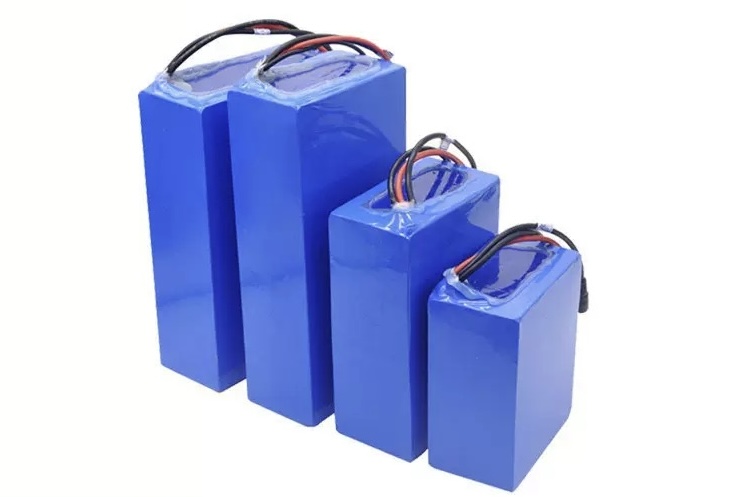
Soldering LiPo batteries1 is risky without proper skills. One wrong move can lead to thermal runaway2, fire, or irreversible battery damage. Mastering the right tools, safety protocols3, and soldering techniques4 ensures reliable, long-lasting LiPo battery assemblies.
To solder LiPo batteries safely, use a temperature-controlled soldering iron5 (minimum 60W), high-quality rosin core solder, and nickel strips6 to avoid direct contact with cells. Always work in a ventilated area7, pre-tin surfaces8, and complete each joint within 2–3 seconds to prevent heat buildup. Spot welding is safer for cell terminals.
Safe soldering is not only about technique on each joint. It also depends on how the work area, tools, and battery handling rules9 come together. The next sections explain these points step by step so that each connection can reach stable quality and safety.
What Safety Precautions Are Essential Before Soldering LiPo Battery Connections?
Ignoring safety while soldering LiPo batteries is dangerous. Mishandling can cause overheating, explosion, or personal injury—especially in sensitive environments like drones or medical devices. Understanding and applying rigorous safety steps minimizes these risks dramatically.
Wear safety goggles10, work in a ventilated area], and ensure a fire extinguisher11 is nearby. Disconnect cells from chargers, avoid static buildup, and never pierce or overheat cells. Use a temperature-controlled iron, insulated gloves, and always secure the battery during soldering to prevent accidental movement or shorting.
A good solder joint12 starts long before the tip of the iron reaches the connector. The pack state, the environment, and the way the builder handles each lead all decide the real safety level. A structured checklist makes preparation simple and repeatable.
Understanding Main LiPo Risks During Soldering
LiPo cells store high energy in a compact volume. Heat and short circuits can turn that stored energy into gas, pressure, and fire. Soldering adds direct heat to tabs and conductors, so safety planning must start with an understanding of these physical risks.
A LiPo pack13 is sensitive to three main issues during solder work. The first is thermal stress14. When a soldering iron stays on a tab for too long, the heat can move into the cell. Internal temperature rises can speed up chemical reactions and gas formation inside the pouch. The second issue is mechanical damage15. Rough clamping, sharp edges, or bending near the pouch can pierce the foil or break internal structure. The third issue is electrical abuse16. A stray strand of wire or a dropped connector can create a direct short between positive and negative paths.
Because these risks exist at the same time, basic precautions must address all three. That means restrictions on iron time per joint, a clear way to support the pack without crushing it, and a layout that keeps opposite polarities far apart. Good practice avoids contact between hot metal and the soft foil of the pouch. It also avoids bringing two exposed conductors close to each other without insulation.
The operator must treat the LiPo as a live energy source at every moment. Even small packs can deliver high current if a short occurs. The work plan must never rely on luck or fast reflexes. It must reduce the chance of a short in the first place.
Preparing the Workspace and Environment
The workspace has a direct impact on safety. A cluttered bench or a flammable surface can turn a minor mistake into a major event. Before any soldering starts, the area around the pack must be organized in a deliberate way.
The table surface should be non-flammable and heat resistant. Many users choose a silicone mat, a ceramic tile, or a metal tray. A bare wooden desk or plastic table is not suitable. All paper, packaging foam, and solvent containers must move away from the hot zone. Cable ties, plastic bags, and other light items should not sit near the iron rest.
The soldering iron needs a stable stand that holds the hot tip away from the LiPo and away from cables. A loose iron that rolls on the bench is a direct fire risk. The power cord of the iron must route behind the operator, not across the working area, so that the hand cannot pull it accidentally.
Ventilation is also important. Soldering fumes should move away from the operator’s face. A small fan or fume extractor can help, but strong air flow should not blow directly on the joint, because that can cool the tip too much. The goal is a calm but ventilated area.
Lighting must be bright and even. Good visibility lets the operator see small strands of wire, solder bridges, and small nicks in insulation. Poor lighting hides defects that later turn into shorts or intermittent connections.
A clear, fixed place for tools also helps. Cutters, strippers, heat-shrink tubing, and solder should sit in known positions. This reduces hand movement over the battery. Less movement means lower chances of accidental contact with the tabs or the pouch.
Personal Protective Equipment and Body Position
Personal protective equipment is a basic part of LiPo soldering safety. The eyes and hands are most exposed to risk. The face and body also need protection from possible sparks or bursts.
Safety glasses or goggles protect against molten solder splashes and sudden venting. Thin plastic lenses are not enough if they do not cover the sides. Wrap-around or sealed designs reduce gaps. Heat-resistant gloves protect the hands from hot connectors and cables. The gloves should still allow enough feel and control to grip small parts without slipping.
Loose clothing and jewelry are not suitable during LiPo soldering. Long sleeves should fit close to the arm. Necklaces, bracelets, and long chains can swing into the work area or touch live conductors. Long hair should be tied back. These steps reduce the chance that something catches the iron or drags a cable.
Body position also matters. The operator should sit or stand in a way that keeps the face slightly away from the pack. The torso should not lean over the LiPo. The hands should rest comfortably on the bench to keep them steady. A stable posture reduces hand tremor and tool slips.
The table below summarizes typical PPE and its purpose.
| PPE Item | Main Purpose | Notes |
|---|---|---|
| Safety glasses | Protect eyes from solder and venting gas | Wrap-around style preferred |
| Heat-resistant gloves | Protect hands from hot parts and tools | Must allow secure grip and fine control |
| Cotton or flame-resistant clothing | Reduce burn severity | Avoid synthetic, melting fabrics |
| Respirator or mask | Reduce inhaled fumes | Useful in low-ventilation spaces |
Battery State, Isolation, and Fire Preparedness
The condition of the LiPo pack before soldering is a core part of safety. The pack should not be fully charged. A storage-level state of charge reduces the total energy available if something goes wrong. Many builders target a mid-range voltage for this reason. The pack should also be cool to the touch and should not show swelling, leaks, or old damage.
Before work, polarity and wiring should be checked against labels. Neglect on this step can lead to reversed connections or cross-shorts during the job. Color codes on wires must be consistent across the pack and connector. If a pack comes from another source and the color code is unknown, continuity checks with a meter are necessary.
Only one terminal or tab should be exposed at a time. All other leads need insulation, usually with heat-shrink or high-quality electrical tape. Crocodile clips with insulating covers can also help hold wires in place. This isolation prevents accidental contact between opposite polarities.
The table below lists key battery-related checks before soldering.
| Check Item | Target Condition |
|---|---|
| State of charge | Medium or storage level, not full |
| Cell appearance | No swelling, punctures, or leakage |
| Temperature of pack | Cool, stable, no recent heavy discharge |
| Polarity markings | Clear, consistent, confirmed with a meter |
| Exposed conductors | Only the one being soldered, others insulated |
Fire preparedness is the last part of the safety plan. A suitable fire extinguisher should be within reach. A metal tray, sand, or a LiPo-safe bag can help contain a failing pack. The operator should know exactly where to move the pack if smoke, hissing, or swelling appears. A clear path to a safe drop zone, such as a metal bucket or outdoor concrete area, must be in mind before work starts.
A clear mental checklist brings all these precautions together. The operator inspects the pack, sets the charge level, arranges the bench, puts on PPE, confirms polarity, and prepares fire control tools. When this routine becomes standard before any LiPo solder job, the risk of serious incidents drops sharply, and the quality of each finished pack becomes much more consistent.
Why Should You Never Directly Solder to LiPo Cell Terminals Without Nickel Strips?
Direct soldering on LiPo terminals is common among beginners. Doing this transfers excessive heat into the cell, which can cause internal damage or catastrophic failure. Using nickel strips as an intermediary prevents direct heat exposure and improves solderability.
Never solder directly onto LiPo cell terminals because the heat can damage internal cell chemistry, causing puffing or fire. Instead, use pre-cut nickel strips that distribute heat and provide a safer soldering surface. Spot-weld the strips first, then solder wires to the strips, keeping cell temperatures below 60°C.
The use of nickel strips is not only a convenience choice. It is a basic design rule in safe LiPo pack building. The next sections explain how the cell structure works, how heat flows during soldering, and why nickel makes the joint safer and more stable.
How LiPo Cell Terminals Are Built Internally
LiPo cells look simple from outside. The pouch has a flat body and two or more metal tabs. The visible tab gives a sense of thick metal and strong structure. The real situation under the pouch foil is very different.
Inside the cell, thin layers of anode, separator, and cathode stack or roll together. Each side of the stack connects to its own current collector foil. The terminal tab is part of this foil or is welded to it with a local joint area. The thickness of this foil is small compared to a typical connector or cable lug. The tab is not a massive block of metal. It is a small extension of very thin material.
The seal area near the tab is also important. The pouch edge has a heat seal or adhesive seal that keeps the electrolyte inside. This seal is sensitive to heat and mechanical movement. Direct soldering near this edge can soften the seal and allow small paths for gas or liquid to escape.
The joint between the collector foil and the tab sees current from all parts of the electrode. This joint area must keep low resistance through the full life of the cell. High heat during soldering can change the microstructure of this area. The change may not be visible right away. It may show later as rising resistance, extra heat during discharge, or early cell failure.
The design assumes that downstream connections, such as pack busbars or wires, will attach to the tab through a weld or through an added metal piece like a nickel strip. Direct solder onto the foil itself breaks this design assumption. It moves the highest heat right into the most delicate part of the current path.
Heat Flow and Damage Risk at Bare Terminals
Soldering always brings heat to the joint. A good solder joint needs the metal surfaces and the solder to reach a proper melting zone. When this happens on a bare LiPo tab, the heat has only a short path before it enters the internal stack.
Metal conducts heat very well. The terminal foil carries heat inward much faster than many people expect. Even a short contact with a hotter tip can send a sharp temperature increase into the active material. The separator and electrolyte are sensitive to such peaks. They can shrink, change structure, or decompose when the temperature rises beyond their design window.
Overheated local areas can create weak points. These zones may not fail during the first cycles but may slowly degrade. The user may later see increased swelling or capacity loss and may not connect this to the earlier solder operation. The risk is higher when the operator tries to “fix” a cold joint and reheats the same area several times.
Heat also affects the seal and the interface between different metals. The boundary between aluminum or copper and other layers can grow oxide or other unwanted phases. This can raise resistance at that boundary. Higher resistance means more local heating during high current use. The cell can then start a slow cycle of stress: more heat leads to more damage, which leads to even more heat.
There is another risk besides steady heat. Soldering can create local hot spots with steep temperature gradients. Different parts of the metal expand by different amounts in a short time. This can put mechanical stress on welds and seals. Over time, these stressed spots may crack or delaminate.
When no nickel strip is used, all this heat and stress acts directly on the LiPo tab and the region just inside the pouch. There is no intermediate part to spread or buffer these effects. The chance of hidden, long-term damage is much higher.
Role of Nickel Strips as Thermal and Mechanical Buffer
Nickel strips serve several roles at once. These include thermal buffering, mechanical support, and layout flexibility. All three roles help protect the LiPo cell from the side effects of soldering.
As a thermal buffer, nickel adds length and mass between the solder joint and the LiPo tab. The soldering iron heats the nickel strip, not the tab itself. The strip’s extra material spreads the heat over more volume. The temperature near the cell tab stays lower. This is especially true when the strip has enough length and width and when the operator solders quickly with a proper iron.
As a mechanical buffer, nickel provides a stronger piece that can handle bending forces from cables or pack movement. The LiPo tab17 is thin and not meant to flex many times. If a cable solders directly to it, every vibration or pull moves the tab. Over time, this can crack the joint or damage the seal area. With a nickel strip, the cable attaches to the strip, and the strip can be bent or formed as needed while the tab stays relatively stable.
Nickel also offers a clean, consistent surface for solder. Many tabs have plating or oxidation18 that does not wet well with solder. Spot welding or laser welding can attach nickel firmly to these tabs in a controlled way. After that, the soldering19 work happens on the nickel, where the chemistry matches common solders and fluxes more reliably.
A nickel strip also supports better pack layout. It can bridge gaps between cells, align terminals into neat rows, and simplify later connections. The builder gains flexibility in routing without placing stress on the pouches. This lowers the chance of accidental contact or crossing between opposite polarities.
When all these roles combine, the nickel strip becomes a key safety and quality feature. It changes soldering from a direct attack on the cell tab into a controlled operation on a sacrificial, robust intermediate part.
Long-Term Reliability and Safety Advantages of Using Strips
The true value of nickel strips shows over the full life of the battery pack. Direct soldering may look acceptable on day one, but differences appear after many charge and discharge cycles, after vibration in use, and after thermal expansion20 in different conditions.
Joints that run through nickel strips tend to keep lower resistance over time. The metals in the solder joint and in the strip are stable under normal operating temperatures. The current path stays wide and uniform. The LiPo tab stays cooler during high current pulses because it no longer carries the full thermal and mechanical burden of the joint.
Cells with protected tabs also show better dimensional stability21. They are less likely to swell from local damage near the seal. When cells in a pack age more evenly, the pack stays better balanced. The risk of one “weak” cell that drifts out of line drops. This supports safer charge and discharge behavior under a battery management system22.
From a safety point of view, nickel strips reduce both immediate and delayed failure modes. In the near term, they lower the risk of damage from the soldering step itself. In the long term, they reduce the chance that hidden heat damage or stress at the tab will grow into a major defect. This is very important in high current uses23, such as drone packs, power tool packs, and light EV modules.
Many quality standards in battery manufacturing treat direct soldering to LiPo tabs as a poor practice. They require spot welds or laser welds to connect tabs and then use nickel or similar conductive strips for any solder-based work. These standards exist because field data and lab tests show clear differences in reliability between packs with buffer strips and packs without them.
A pack builder who follows these rules gains more than just longer cell life. They also gain a more predictable product. Stable joints and protected cells reduce random failures. This makes testing and quality control easier and improves trust from end users.
Direct soldering to LiPo cell terminals may seem to save time and parts. In real use, it adds risk, reduces reliability, and goes against the way LiPo cells are designed and tested. Nickel strips give the cell the support it needs and make each solder joint safer and more repeatable. For this reason, direct soldering to bare LiPo tabs without nickel strips should be fully avoided in any serious pack project.
What Type of Soldering Iron and Temperature Settings Are Safe for LiPo Battery Work?
Many people use the wrong soldering tools for battery work. Underpowered or unregulated irons result in poor joints, while overheated tips can damage the cell. Selecting the correct iron and temperature is essential for safe, effective soldering.
Use a soldering iron with at least 60W power and temperature control, ideally set between 300°C–350°C (570°F–660°F). This ensures quick solder flow without overheating. Fine-tipped irons may struggle to retain heat—use a chisel tip for better contact. Avoid prolonged contact with tabs to limit heat transfer.
The choice of soldering iron is part of the safety system around LiPo packs. It shapes how heat moves into joints and how stable each connection becomes. The next sections explain which tools and settings keep joints sound and cells protected.
Key Features of a Suitable Soldering Iron for LiPo Work
A suitable soldering iron for LiPo work must deliver controlled heat, not just high heat. It must also work with moderate contact times and keep a steady tip temperature during repeated joints on thick wires and connectors.
A fixed-wattage iron without proper regulation often runs too hot or too cold for LiPo pack assembly. When the tip is too cool, the user tends to hold it on the joint for longer. This long dwell time pushes heat deeper into conductors and towards the LiPo tabs. When the tip is too hot, the surface overheats and can burn flux, scorches insulation, and damages connector housings.
A temperature-controlled station gives much better control. The user sets a target, and the station adjusts power to hold that value. This makes the process repeatable from joint to joint. A digital display helps the operator confirm settings quickly. A stable stand and a safe place for the hot iron are also essential parts of the tool.
Power rating matters as well. An iron that is too weak struggles with thick copper leads, large XT60 or EC5 connector pins, and heavy nickel bus strips. It loses heat when touching the joint. The temperature drops, and the joint cools before the solder flows well. This again pushes the operator to extend contact time. A mid to high power iron keeps enough thermal reserve to complete each joint in a short, sharp action.
The handle must provide good grip and insulation to keep the user’s hand safe and steady. A flexible, heat-resistant cable between handle and station reduces pull and keeps the movement smooth. These details support precise control over how the tip meets each joint.
The table below shows typical features of irons that suit LiPo pack assembly.
| Iron Feature | Recommended Characteristic |
|---|---|
| Temperature control | Adjustable with clear scale or digital display |
| Power rating | Medium to high, suitable for thick conductors |
| Tip change system | Easy and secure, for different tip shapes |
| Stand and holder | Stable, safe, with sponge or brass cleaner |
| Handle comfort | Heat-resistant, good grip, low fatigue |
Safe Temperature Ranges for LiPo Soldering Tasks
The tip temperature must sit in a range that allows quick wetting of solder without burning the joint. The exact value depends on solder type, tip size, and joint size. The key idea is simple. The iron must be hot enough to melt solder rapidly but not so hot that it damages parts around the joint.
Lower temperatures can seem safer for LiPo cells. In practice, they often lead to longer contact times. This longer time can send more total heat into the joint and into nearby LiPo structures. A slightly higher but well-controlled temperature allows a faster, cleaner joint. The total heat input into sensitive areas can then be lower.
High temperatures create other problems. Solder can spatter, flux can burn, and copper surfaces can oxidize more quickly. Plastic housings on connectors can soften or deform. Insulation on wires can shrink or pull back, exposing bare conductor. When this happens near a LiPo pack, the chance of shorts and damage increases.
The table below outlines typical safe temperature bands for different LiPo soldering tasks. Exact numbers depend on specific solder alloys and tools, but the ranges show how different jobs need slightly different settings.
| Task Type | Relative Temperature Band |
|---|---|
| Fine balance lead joints | Lower end of standard electronics band |
| Medium gauge power wires to nickel strips | Mid-range within standard band |
| Large connector pins (XT60, EC5) | Upper part of standard band |
Short contact time always remains important. Even with a correct setting, the iron should stay on the joint only long enough to melt and flow solder properly. A smooth, single motion with good pre-tinning24 reduces the need for repeat heating.
Tip Shape, Size, and Power Matching
The tip is the part that actually touches the joint. Its shape and size must match the kind of work done on LiPo packs. Too small, and it cannot transfer enough heat quickly. Too large, and it may touch insulation or nearby parts and cause unplanned heating.
Chisel tips and larger conical tips often work better than very fine points for LiPo pack work. They have more surface area and more metal mass. They deliver heat to thicker wires and connector pins more efficiently. When they cover the whole joint area well, they allow faster wetting and shorter contact time.
Tip size must match the joint size. A tip that is only a small fraction of the joint area will force the user to move around the surface. This increases dwell time and can create uneven heating, where some parts are too hot and others too cold. A tip that is slightly larger than the joint can sit in one position and heat the entire area evenly.
Power rating and tip choice link together. A higher power station can support a larger tip and keep it at a stable temperature when touching large copper sections. A low power iron with a large tip may still struggle, because it cannot refill lost heat quickly enough. This leads again to extended dwell times and more heat spread into nearby areas.
Regular tip care also plays a role. A clean, well-tinned tip transfers heat better than a dirty or oxidized one. Wiping the tip on a damp sponge or brass wool and adding a small amount of fresh solder before each joint keeps performance consistent. Good heat transfer means shorter contact times and less stress on LiPo cells and plastics.
Temperature Control, Contact Time, and Process Discipline
Safe LiPo soldering does not depend only on iron type and temperature. It also depends on how the operator uses them. Even a good station can cause damage if the process lacks control.
Pre-tinning of both the wire and the pad or strip reduces the time needed for final joining. When both sides already have a thin solder layer, the final joint only needs brief heating to fuse them. This step reduces the duration of direct heat on the assembled pack.
The operator should avoid “chasing” cold joints by reheating them many times. If a joint does not wet well on the first try, it is better to stop, let it cool, clean the surfaces, add fresh flux if allowed by local rules, and then try again with a clear plan. Multiple short reheats in quick succession push cumulative heat into cells and connectors.
Process discipline also includes a pause between joints. When soldering many points on a single pack, it is wise to rotate between different areas and let each region cool in turn. This prevents a build-up of heat in one corner of the pack. It also gives time to inspect each joint visually.
The operator must check that insulation remains intact after each joint. If any plastic shows softening or shrinkage, this is a sign that the process may be too hot or too slow. Any exposed copper strands should be corrected before moving to the next step. All of this supports the final goal. Heat stays where it is needed and away from the LiPo cell body.
A correct soldering iron and suitable temperature range make LiPo pack assembly much safer and more repeatable. Stable control, matched tip size, clean technique, and short contact times all work together. This keeps joints strong, reduces cell stress, and lowers the risk of failure over the pack’s service life.
How Do You Properly Prepare Nickel Strips and LiPo Tabs for Clean Soldering?
Dirty or oxidized surfaces make soldering unreliable. Poor preparation leads to cold joints, high resistance, and long-term failure under load. Proper cleaning and tinning result in stronger, cleaner joints.
Clean nickel strips and battery tabs with isopropyl alcohol or fine sandpaper to remove oxidation. Apply flux before tinning with solder for better wetting. Pre-tin both surfaces before making a connection. This reduces contact time during final soldering, preserving cell integrity and improving joint strength.
Good preparation is a quiet step, but it supports every other part of the work. When nickel strips and tabs are handled, cleaned, and tinned in a consistent way, later soldering becomes faster, safer, and more reliable.
Cleaning and Handling of Nickel Strips
Nickel strips often arrive with residues from rolling, storage, or handling. These residues can include light oil films, fingerprints, dust, and mild oxidation. All of these can prevent solder from wetting the surface. The result is a dull joint that looks uneven and tends to crack or heat under load.
Proper handling starts before any cleaning step. Clean hands or suitable gloves are important. The operator should avoid touching the zones that will be soldered. Strips can be moved with tweezers or clean pliers. This reduces the transfer of skin oils. Strips should also stay in a sealed bag or box when not in use, so they remain free from dust and moisture in the air.
Cleaning methods must be gentle but effective. A common approach uses a mild solvent that is safe for metals and the work area. The operator wipes each strip in the soldering zone with a lint-free cloth dampened with the solvent. The motion should be straight and not back-and-forth, so contaminants move away from the surface instead of spreading around.
Mechanical cleaning has a role, but it must be controlled. Very heavy abrasion can change the thickness and geometry of the strip or leave deep scratches. Light abrasion with a fine abrasive pad or very fine paper can remove light oxide layers and improve solder wetting. The strokes should follow a single direction. The operator must stop when a bright, even metal surface appears.
After cleaning, the strips should dry completely. The workspace should have a clean spot reserved for them. Strips should lie flat and not touch dirty tools. If they sit too long before use, a fresh quick wipe may be needed to remove dust.
Good habits here make a big difference. Clean strips accept solder quickly. The iron can stay on the joint for a shorter time. This protects nearby parts, reduces rework, and improves the look and function of the finished battery pack.
Surface Preparation25 of LiPo Tabs
LiPo tabs are more delicate than nickel strips. They may be aluminum, copper, or plated metal. Some tabs have thin coatings or films designed for welding processes. Aggressive cleaning can remove these features or damage the tab structure. Safe preparation follows a careful and limited method.
The first step is inspection. Each tab should be checked for bends, tears, or nicks. Any sharp creases or cuts near the pouch seal are a warning sign. If a tab shows major damage, it may be safer to reject the cell than to try to repair it. The surrounding area must also be checked for signs of leakage, swelling, or discoloration.
Loose particles or dust on the tab should be removed gently. A dry, clean, lint-free cloth can remove light debris. The operator should not rub hard or fold the tab. The movement should be light and straight. This respects the thin structure of the tab.
If the tab surface appears oxidized or dull, only very light abrasion should be used, and only if the material and coating allow it. Many cell makers provide guidance on what type of cleaning is allowed. The operator should follow this guidance. When permitted, a very fine abrasive pad with minimal pressure can refresh the surface. The goal is not to reshape the tab, but only to break the oxide film enough for solder or welded nickel to adhere.
Chemical cleaners26 must be chosen carefully around LiPo cells. Any liquid that could run down to the pouch seal or body can cause damage. For this reason, strong solvents are not suitable on or near the joint between the tab and the pouch. If a cleaner is needed on the exposed length of the tab, it should be used sparingly and kept away from the seal area.
After cleaning, the tab must be dry and free of fibers or debris. The operator must not blow on the tab with the mouth, because this can add moisture and contaminants. A gentle stream of clean, dry air, if available, is a better choice.
Bending of tabs27 is another part of preparation. Bends may be needed to reach the nickel strip layout. These bends must be smooth and placed far from the pouch seal line. Sharp bends close to the pouch may stress the seal. Gradual curves with wide radius reduce strain and help the tab survive vibration in service.
Good surface preparation of LiPo tabs aims to do the least necessary work to achieve clean, active metal while fully protecting the mechanical and sealing structure of the cell. This balance keeps the cell safe while still allowing strong joints to nickel strips.
Tinning Practices for Strong, Low-Resistance Joints
Tinning is a key part of preparation for clean soldering. It means adding a thin layer of solder to nickel strips and sometimes to the plate or bridge that connects to the LiPo tab. Correct tinning makes later joining fast and clean.
When nickel strips are tinned, the iron should touch the strip only as long as needed to melt a small amount of solder and spread it over the target area. The tinning layer should be thin and even, not thick and lumpy. A thin layer wets fast during final assembly. A thick blob takes longer to re-melt and can hide voids and flaws.
Flux in the solder core or added flux, if allowed, helps the molten metal spread evenly. However, leftover flux residues can cause corrosion if they remain on the surface. The operator should follow the flux type guidelines and clean residues when required and when the cell environment allows it. Many pack builders choose low-residue or no-clean flux to reduce this problem.
The position of the tinned area on the nickel strip must match the planned contact point with the tab and the wire. Careful planning keeps the solder in controlled zones and away from regions that must stay flat for welding or for mechanical support. This planning step avoids later rework.
The same ideas apply to any intermediate plates or busbars that touch the LiPo tabs. When these parts are tinned, care must be taken to shield the tab itself from too much heat. Often, busbars or nickel pieces are prepared away from the cells and only joined to the tabs later by welding or a short, controlled solder action.
Tinning also helps control solder volume in the final joint. When both parts already have a thin solder layer, the final joining does not need a large fresh addition. The operator can bring the two tinned surfaces together, heat them briefly, and let them fuse. This keeps the joint compact and reduces the chance of stray solder that could form bridges or sharp points.
Good tinning practice gives each joint a predictable starting point. Every tinned surface behaves in a similar way when the iron touches it. This improves consistency across the pack and makes the process easier to train and audit.
Alignment, Support, and Contamination Control Before Soldering
Preparation is not complete until nickel strips and tabs are aligned and supported in a stable way. Movement during soldering can create weak joints, uneven wetting, and hidden cracks. A simple support system can prevent many of these issues.
The work surface should allow a way to hold strips and cells in place. Soft but firm supports, such as blocks or fixtures made from non-conductive, heat-resistant materials, can keep the pack from sliding. Clips or small clamps can hold nickel strips without crushing them. Contacts must never pierce or mark the LiPo pouch.
Alignment marks28 on the nickel strips and busbars can guide placement. These marks show exactly where the tab should meet the strip. They also help keep multiple cells consistent in series or parallel layouts. Consistent alignment reduces stress on tabs during pack assembly and use.
Contamination control29 remains important at this stage. Any new dust, fibers, or metal shavings that land on the joint areas must be removed. Cutting and trimming of strips should happen away from the open cell area whenever possible. Tools that produce shavings should be cleaned before they come near the cells.
The operator should check the prepared surfaces one last time before picking up the iron. Surfaces must look bright and even. There should be no visible oils, spots, or scratches that break into the metal. Tabs must sit flat on the strips without twisting. The contact patches must be fully supported, not hanging in the air.
Once all these conditions are met, the assembly is ready for final soldering or welding. The nickel strips and LiPo tabs work together as a clean, aligned, and stable base. The soldering iron then only needs to complete the bond, not correct deep preparation faults.
Proper preparation of nickel strips and LiPo tabs may seem like a quiet, slow phase of pack building. However, it controls most of the later joint quality. Clean, well-handled strips and carefully treated tabs make soldering smoother, reduce heat input, and support long-term reliability and safety in any LiPo battery system.
What Is the Correct Technique for Spot-Soldering LiPo Cells Without Overheating?
Spot-soldering30 requires balancing speed and temperature. Excessive heat can permanently degrade battery chemistry. Using precise methods and heat management tools is key.
Apply flux and pre-tin wires and terminals separately. Hold wires in place using tweezers or helping hands. Touch the iron for no more than 2–3 seconds per joint. Use a damp heat sink or clip to draw heat away. Never retry on the same spot—cool fully before resoldering.
Spot-soldering works well when every action around the joint follows a clear plan. Heat, pressure, and timing stay under control. The cell tab, the nickel strip, and the solder all work together in a compact, low-resistance joint that does not overheat the LiPo core.
Principles of Heat Control During Spot-Soldering
Spot-soldering on LiPo cells is not the same as soldering on a loose connector or a standard circuit board. The cell has limited ability to absorb excess heat. The internal layers sit close to the tab, and they respond quickly to thermal changes. A correct technique treats heat as a limited resource that must be used carefully.
The most important principle is to keep contact time as short as possible. The iron must touch the joint long enough to melt and wet the solder, but no longer. Any extra time only drives heat deeper into the tab and towards the active material. Short contact does not mean weak joints. It means efficient heat transfer and good preparation.
Another key principle is to keep the heated area small. The soldering tip should cover only the planned spot. The nickel strip should focus the joint into a compact region. A wide, wandering tip path spreads heat into unnecessary zones and stresses the tab more.
A third principle is to allow cooling between spots. When several spots are needed along a tab or strip, the operator should rotate between them and let each one cool before adding more heat nearby. This stops local temperature build-up and protects the seal area close to the pouch.
Firm but controlled pressure also matters. The tip should press the nickel strip and the tinned tab together so that the solder can flow across the interface. Pressure should not be so high that it dents or creases the tab. Too much force can deform the metal and transmit stress to the internal welds and seal.
The table below organizes some core spot-soldering control factors.
| Control Factor | Goal | Risk if Ignored |
|---|---|---|
| Contact time31 | As short as possible with full wetting | Deep heat penetration, cell stress |
| Heated area | Small, well-defined spot | Spread heat, tab distortion |
| Cooling interval | Time for each area to return near ambient | Accumulated heat in tab and seal |
| Tip pressure | Firm, stable, not crushing | Dents, creases, internal mechanical damage |
When these principles guide every move, spot-soldering becomes a controlled, repeatable process. The goal is not just a shiny joint on the surface. The goal is a cool, stable cell core behind it.
Joint Preparation and Pre-Tinning for Fast Contact
Good spot-soldering starts long before the iron touches the joint. Nickel strips and tabs must be clean, tinned where appropriate, and aligned. Proper preparation reduces the time and heat needed for each spot.
Nickel strips should be cut with clean edges and smoothed if needed. The part of the strip used for the joint must be free from oxide and contamination. A thin, even tinning layer on the strip allows quick wetting when the iron arrives. The solder layer must not be too thick, because that would require more time and heat to re-melt.
LiPo tabs that receive the nickel piece should already be in their final position and shape. Any required bends must be done before soldering, with wide radii and away from the pouch seal. The tab surface that will meet the strip should be clean and flat, with no loose particles.
Alignment is critical. The nickel strip should rest exactly where the joint is planned, not close to the edge or extending beyond the tab in uncontrolled ways. When several cells are joined in series or parallel, the strips should form straight, consistent lines. This alignment reduces stress on tabs and keeps current paths compact and predictable.
Pre-tinning can also apply to intermediate busbars or plates if the design uses them. These parts are often prepared away from the cells, so they can accept more aggressive cleaning and tinning methods. Once they are ready, they can transfer their solder layer into the final joint with minimal heat on the LiPo itself.
Good preparation serves one main goal. The final contact with the iron must be very short. Every second removed from the direct heating phase reduces the load on the cell. Well-tinned, clean surfaces give the solder no reason to resist flow. The joint forms quickly, and the iron lifts away.
Step-by-Step Motion and Contact Time Management
The motion of the iron during spot-soldering has a large impact on heat flow. A clear, consistent sequence keeps the joint quality high and prevents overheating. The sequence does not need complex steps. It needs discipline.
The tip should approach the joint from a stable, predictable angle. The contact area on the tip should fully overlap the small region where the nickel strip and tab meet. The iron should not slide or scrape across the surface. A direct, controlled landing keeps the footprint small and avoids smearing molten solder.
Once the tip touches the joint area, the operator should add slight pressure and wait briefly for the solder to melt and wet. The solder will change from solid to shiny and fluid. This moment is the point when the joint is complete. The operator must lift the iron soon after this point. Waiting longer only adds heat without improving quality.
Repositioning during a single spot should be avoided. Moving the tip while the solder is still molten can create voids and uneven thickness. If a joint looks incomplete after the first contact, the better response is often to let it cool, clean as needed, and try a second, short contact rather than dragging the tip around while everything is hot.
Contact time can be managed by training and by simple reference targets. Users can learn to recognize how long their iron takes to wet a typical joint at a given temperature setting and tip size. This internal timing guides them to lift the iron promptly. When dwell times grow longer than expected, it is usually a sign that surfaces are dirty or preparation is incomplete.
The table below lists common spot-soldering timing problems and their effects.
| Timing Issue | Typical Cause | Resulting Problem |
|---|---|---|
| Contact time noticeably too long | Dirty surfaces, low temperature, weak tinning | Deep heating, stress on cell |
| Tip lifted too early | Insufficient heat or pressure | Partial wetting, weak joint |
| Many quick re-contacts | Attempt to fix cold joint without cleaning | Cumulative heat, hidden damage |
Clear timing rules help prevent these issues. Each spot should follow the same pattern: quick landing, melt, wet, lift, and cool.
Cooling, Inspection, and Rework Limits
Cooling and inspection complete the spot-soldering technique. A joint that looks shiny on the surface may still hide stress or defects. Proper cooling and careful checks reduce this risk and guide safe rework decisions.
After the iron lifts away, the joint should cool without disturbance. The assembly should not move, and no force should pull on the strip or tab. Movement during cooling can create micro-cracks in the solder. It can also shift the parts and leave the joint under constant mechanical tension.
Passive air cooling is usually enough if the environment is stable and clean. Forced cooling with compressed air or fans can cause rapid temperature swings and may stress the materials. Cooling methods must not blow dust or debris onto the fresh joints or into the cell area.
Visual inspection should look for smooth, even surfaces. The joint should have a uniform profile around the spot. Dull, grainy, or cracked areas can indicate poor wetting or over-heating. Any visible voids or sharp peaks of solder can become hot points during high-current operation.
The tab and strip around the joint also deserve attention. Discoloration or signs of softened insulation may signal that heat spread too far. Any swelling, strange smell, or noise from the cell is a strong warning that the process must stop and the cell must be isolated and evaluated.
Rework must follow firm limits. Reheating the same spot again and again can be more damaging than a single slightly imperfect joint. If a spot clearly fails visual inspection, the operator should let it cool fully, clean surfaces, and then perform one more short contact with a clear plan. If the joint still does not meet quality requirements, the design or preparation path may need review, or the parts may need replacement.
Clear documentation of the spot-soldering method also helps. Written guidelines for contact time, temperatures, and inspection criteria make the process consistent between different operators and over time. This consistency raises reliability across entire production runs or service batches.
Correct spot-soldering technique for LiPo cells32 is a combination of heat control, preparation, precise movement, and cautious rework. When each of these parts works in a disciplined way, the joints stay cool, stable, and strong. The LiPo cells remain protected, and the finished packs deliver safer and more predictable performance across their service life.
How Do You Solder Balance Leads to Individual LiPo Cells Without Damaging Them?
Balance leads are fragile and closely spaced. Soldering them improperly can short cells or damage insulation. A careful, step-by-step approach ensures safe and functional connections.
Strip and pre-tin each balance lead. Identify correct cell voltages and connect wires in sequence (e.g., B-, B1, B2…). Use a fine tip soldering iron at 300–320°C. Solder to pre-welded nickel strips, not directly on the cell. Isolate each wire with heat shrink tubing to prevent short circuits.
Balance leads do not carry much current, but they touch every cell node. A small mistake at this level can affect the whole pack. Proper planning, routing, and soldering protect both the cells and the long-term function of the battery management system.
Understanding the Role of Balance Leads in LiPo Packs
Balance leads connect the battery management system or balance charger to each cell node in a series pack. These nodes sit between cells or at the ends of the string. Each wire carries small current but must carry accurate voltage information. Soldering these leads must protect both measurement accuracy and safety.
Every balance wire lands on a point that sits at a different potential. Adjacent pins on the balance connector see different voltages. If insulation fails at any point in the run, two nodes can short together. This can force one cell to charge or discharge through another cell in an uncontrolled way. The result can be over-voltage on some cells and deep discharge on others.
The cell tab or busbar where the balance wire attaches must stay intact and low in resistance. These places also carry main current in or out of the cell. Poor soldering of a balance wire should not change the main path. The balance joint should add only a light, clean connection that does not weaken the host metal.
Balance leads also create paths for noise and interference. Long, loose wires can pick up signals from switching devices in the system. Good routing, bundling, and fixation keep these leads stable. Stable paths support more accurate voltage readings and smoother charger control.
The key idea is simple. Balance wires are small, but the points they touch are critical. Soldering must treat them with the same care as main power joints, even though the current is low. The pack then uses these clean, safe connections for every charge and maintenance cycle.
Planning Balance Wire Routing and Strain Relief
Before any soldering starts, the full path of each balance lead should be planned. Routing must keep wires away from sharp edges, hot components, and moving parts. The route must also avoid crossing high-current joints where heat or flexing is strong.
Balance wires should follow neat lines along the pack. They should run close to the cell sides or frames, not across open spaces where they can snag or vibrate. Bends should be gentle and spread out over some length, not tight kinks. Each bend adds some stress over time. Many small, smooth curves handle this better than a few sharp ones.
Strain relief is very important. The solder joint on the cell node must not carry the pull from movement of the wire harness. There should be a fixed point along each wire, near the cell, where the wire is held by tape, adhesive, or a soft clamp. This point takes the load, not the solder pad.
The connector end also needs strain relief33. The group of balance wires that go into the connector should be bundled and fixed before the pins. This reduces stress on the crimp or solder joints inside the housing. It also limits movement that can twist the wires at the cell side.
Route planning must also consider service and inspection. Balance wires should not hide critical parts of the pack, such as main fuses, series links, or temperature sensors. Future checks should be possible without pulling wires aside. This conservative layout helps prevent accidental damage during later work.
With a clear route and multiple strain relief points planned, soldering can start with confidence. Each joint then sits in a protected position. The wire will not act as a lever that pries on the cell tab.
Safe Soldering Sequence on Cell Nodes
The order in which balance leads are attached matters. A good sequence reduces the chance of accidental shorts between nodes and keeps the process clear in the operator’s mind. The idea is to work in a pattern that always limits the number of exposed conductors.
Only one node should be open at a time. Before starting, all unused tabs and busbars must be insulated. Tape or heat-resistant covers can protect neighboring points. The operator should remove insulation from a single point, make the joint, inspect it, and then re-cover or route the wire away before moving to the next node.
The sequence along the pack can follow a fixed pattern, such as starting from the most negative cell and moving step by step to the most positive cell. A fixed direction lowers the chance of skipping a node or mixing up the order at the balance connector. Each step should include a brief check that the connector pin allocation still matches the node count.
Each joint must use a short contact time. Balance leads are thin, and the pads or strips they attach to are often small. Pre-tinning both the wire and the contact surface makes this easier. The wire should have just enough exposed conductor to reach the pad. Bare copper should not extend far beyond the joint.
After soldering each node, the operator should confirm that no stray strands of wire remain outside the solder mass. With balance wires, a single loose strand can bridge to a nearby metal surface and create a hard-to-see fault. Heat-shrink tubing or small pieces of insulation can cover the joint and the first part of the wire to prevent this.
The sequence also needs pauses for inspection. After a set of joints is complete, the operator should step back and check that each node has one wire, that wires cross in a controlled way if they must cross, and that no part of the sequence drifts from the planned map. This is easier when the pattern follows a simple rule from one end of the pack to the other.
Protecting Insulation, Cell Tabs, and Adjacent Connections
Soldering of balance leads takes place near many other pack elements. These include main power tabs, series links, temperature sensors, and supports. Each balance joint must respect the safety of these neighbors. Local heat and tools can damage their insulation or loosen their joints.
The soldering iron tip must stay under strict control. The tip should not touch main tabs, plastic housings, or tape. Only the small target pad should receive direct contact. A stable hand position, good lighting, and a clear view from the side or top help here. The iron cable should not pull across the pack and move parts out of place.
Insulation protection can use heat-resistant sleeves or shields. When a joint lies close to tape or plastic, a small shield piece between the pad and the material can prevent accidental contact with the iron. This shield must not be conductive. Simple parts like thin fiberglass sheets or other non-flammable boards can work in many layouts.
Cell tabs must not be bent sharply during the soldering process. When pressing downward on a joint, the operator must be sure that there is support under the tab or busbar. If the metal hangs in the air, pressure from the iron can push it down and strain the weld with the cell foil. A firm backing reduces this strain.
Cooling periods between joints on adjacent tabs also help protect the pack. Local heating can soften adhesive tapes and foam pads. If joints are made one after another in a tight corner, the area may heat up more than expected. With small pauses and spaced-out work, this build-up stays under control.
After the full balance harness is attached, a final inspection should check for any damaged insulation. All bare metal that does not belong to a designed contact should be covered. Any nicks in tape or sleeving must be repaired. Balance wires should sit in their planned routes and not press hard against edges or corners.
Correct soldering of balance leads protects both measurement accuracy and pack safety. Clean joints, controlled sequence, careful routing, and strong insulation keep the cells safe and the monitoring system reliable. The pack then has a precise window into each cell, without hidden weaknesses created by the balance harness itself.
What Soldering Methods Work Best for High-Current Discharge Leads (XT60, EC5)?
High-current connectors require extremely low resistance joints. Weak joints can overheat, melt insulation, or create voltage drops under load. Use heavy gauge wire, quality connectors, and proper soldering techniques.
Use 12–14 AWG silicone wire for XT60 and 10–12 AWG for EC5. Pre-tin wires and connector cups. Use high-temp iron at 350°C–370°C with enough solder to fill the cup. Insert tinned wire and hold until the solder sets. Ensure strain relief with heat shrink to avoid wire fatigue.
High-current joints need more than just “more solder.” They need the right wire, tip size, timing, and support. When these parts work together, XT60, EC5, and similar connectors carry high load without overheating or loosening over time.
Choosing the Right Wire, Connector, and Method
Strong high-current joints start with the right combination of wire and connector. The method must match the copper cross-section and the continuous and peak current of the LiPo pack. A mismatch here cannot be fixed later by extra solder.
High-current LiPo packs usually use soft, silicone-insulated wire. This type of insulation handles higher temperatures for short periods and stays flexible. This flexibility reduces stress on the solder joint when the cable bends. The wire gauge must match the planned current and cable length. Too small a gauge raises resistance and heat in both wire and joint.
Connectors such as XT60 and EC5 are designed with deep solder cups or hollow pins. These cups accept the stripped wire end and a controlled amount of solder. When filled correctly, the solder bonds every strand to the metal wall. This creates a strong electrical and mechanical joint. The chosen connector must have a current rating that clearly exceeds the expected continuous current.
The soldering method should focus on one joint at a time. Each joint needs clear preparation, a short heat cycle, and a full visual check. A rushed attempt to solder both poles of a connector at once often leads to uneven heating and softened housings. Separate, careful steps keep both sides safe.
The table below compares common connector types used with high-current LiPo packs.
| Connector Type | Typical Use Case | General Current Capability | Notes on Soldering Needs |
|---|---|---|---|
| XT60 | Medium to high power packs | High for many drone setups | Deep cups, careful heat to protect housing |
| XT90 | Higher power systems | Very high | Larger cups, needs stronger iron and tip |
| EC5 | High-current applications | Very high | Bullet style, requires careful wire support |
| Other bullet types | Custom builds | Varies | Heat must not travel into plastic housings |
The best method always respects these connector features. It makes full use of the cup or pin geometry and keeps the plastic shell and LiPo leads safe.
Preparation of Wire Ends and Connector Cups
Wire and connector preparation34 is critical for high-current joints. Thick wires and deep cups need clean, well-shaped surfaces so solder can flow quickly and fully. Poor preparation increases contact time, which can damage the connector shell and soften nearby insulation.
The wire must be stripped to the correct length. The bare length should match the depth of the connector cup so the copper fills it fully without leaving large empty spaces. Too short a strip length leaves strands outside the cup. Too long can push bare copper too close to the housing or create weak points in the insulation.
The stripping method must protect the strands. Cutting into them reduces the effective cross-section and weakens the joint. Proper stripping tools help remove only the insulation. After stripping, the wire end should be twisted gently so that all strands lie tight and straight.
Connector cups must be clean and free from oxidation or manufacturing residues. A light mechanical wipe with a clean tool or cloth can remove loose particles. If allowed, a suitable cleaner can remove thin films from the metal surface. Care must be taken to keep any cleaner away from plastic housings and to allow full drying before soldering.
Pre-tinning plays a major role here. The wire end benefits from a thin, even coat of solder before entering the cup. This coat holds the strands together and improves wetting. The connector cup can also be lightly tinned on its inner surface. Both steps reduce the time the iron needs to sit on the joint later.
During pre-tinning, the operator must watch the wire insulation. Even soft silicone has limits. The soldering iron must only contact the bare copper. The heat should not travel far enough to cause the jacket to curl or thin. A well-tinned wire keeps its insulation close to the copper without gaps.
Prepared wire ends and clean cups give the main method a strong base. When the final joining begins, solder flows fast35. This keeps the connector shell cooler and protects both the LiPo and the cable.
Soldering Technique for Deep Connector Cups (XT60, EC5)
The core soldering step for high-current connectors focuses on filling the cup or pin completely. The method must ensure full bonding between every strand and the connector metal, while still keeping the plastic body and nearby insulation intact.
The connector must sit in a secure holder. Many builders use a non-conductive jig or a soft clamp that grips the housing without crushing it. This holder keeps the connector steady so the operator can focus on the wire and the iron. The cups should point in a way that allows easy access for the tip and good visibility of the joint.
The pre-tinned wire end should insert into the cup fully, without forcing or bending. The strands should not scrape heavily against the edge, because that can remove tin and leave dry areas. When the wire sits correctly, the insulation should meet the edge of the cup or sit very close to it, but not enter.
The iron tip should contact the metal of the cup, not only the solder. The best point is often on the side of the cup near the base. The tip must touch in a way that allows heat to flow into both the cup and the wire at the same time. Adding a small amount of fresh solder at the start of contact improves thermal transfer and flux activity.
The joint will come to temperature and the solder in the cup and on the wire will melt together. Additional solder may be added carefully from the top of the cup, so it flows down and fills any gaps. The goal is a smooth fill without voids. The operator must watch for a shiny, slightly concave surface that shows good wetting.
Contact time must stay as short as possible. The temperature-controlled iron and pre-tinned parts make this easier. As soon as the solder has flowed and fully covered the visible surfaces, the iron should lift away. Remaining in contact risks softening the plastic body of the connector.
The joint must cool without movement. The wire should not be pushed or pulled until the solder solidifies fully. Any movement can create cracks or loosen the joint. When cooled, the connection should look solid, with no exposed bare copper strands outside the cup.
The table below summarizes key elements of good high-current cup solder joints.
| Joint Aspect | Good Practice | Common Problem if Ignored |
|---|---|---|
| Wire insertion | Full depth, strands intact | Loose strands, partial fill |
| Tip contact point | On cup metal, near base | Heating only solder pool, slow and uneven |
| Solder volume | Enough to fully fill cup, no large excess | Voids, hot spots, or large brittle solder mass |
| Contact time | Just long enough for full flow | Overheating, softened housing, damaged insulation |
When these factors are under control, XT60, EC5, and similar connectors can handle repeated high current cycles without joint failure.
Protecting Plastic Housings and Providing Strain Relief
High-current connectors include plastic housings that insulate and support the metal contacts. These housings can only withstand a certain amount of heat before they soften or deform. The soldering method must protect them and then add strain relief so cables do not pull on the hot zone.
During soldering, the tip must stay on the metal, not on the plastic. The operator must avoid contact between the iron body and the housing. A correctly sized tip helps here. It fits into the space needed and does not brush against the shell. Stable support for the connector also reduces the chance of slips.
Short contact times also protect the housing. Even if the iron never touches the plastic, heat from the cup can conduct into it. If the operator allows the joint to overheat, the housing may warp. This can misalign pins, loosen locking features, or weaken the connector so it fails later.
After soldering, strain relief steps keep the joint safe during use. The cable should not bend sharply right at the exit of the connector. Heat-shrink tubing over the wire and the rear of the housing can add support. The tubing must not cover moving latch parts or vents, but it should grip the cable jacket firmly.
Further along the cable, clamps or tie points can hold the wire to the frame or structure of the device. These supports stop the wire from pulling directly on the solder joint when the LiPo pack moves or when the user plugs and unplugs the connector. Every strain relief point reduces mechanical load on the joint.
Careful inspection after cooling checks for signs of housing damage. Slight discoloration or gloss changes can indicate excess heat. Cracks or soft spots are serious warnings. Any connector showing such signs should be replaced, not reused. A clean joint in a stable housing is essential for reliable high-current performance.
Correct soldering methods for XT60, EC5, and similar connectors bring together good preparation, fast and focused heat, and strong strain relief. Wires and cups match in size. Solder flows fully yet briefly. Plastic shells stay cool and firm. The finished joints then carry high discharge currents for many cycles with low resistance and high safety margins.
How Do You Test LiPo Solder Joints for Quality and Low Resistance After Completion?
Visual inspection isn’t enough for verifying solder quality. Hidden defects like cold joints or high resistance can cause failure under stress. Perform proper tests after each soldering job.
Use a multimeter to measure resistance across the joint—it should be near zero (milliohms). Gently tug the wire to test mechanical strength. Visually inspect for full solder coverage, no bridging, and clean joints. Optionally, perform a voltage drop test under load using a battery tester or ESR meter.
Testing is not one step at the end. It is a small sequence of inspections and measurements that confirm the workmanship of every joint. When this sequence is consistent, LiPo packs become more predictable and safer for long-term use.
Visual Inspection and Basic Checks
Testing begins with the eyes. A detailed visual inspection often reveals problems that instruments will only show later. The surface of each joint, the way the solder flows, and the state of nearby insulation all give strong clues about joint quality.
A good joint looks smooth and continuous. The solder forms a gentle profile between wire and connector or strip. The surface shows a uniform sheen. There are no sharp ridges, pits, or deep dimples. The solder does not ball up on one side and leave bare metal on the other. Exposed copper strands are not visible outside the solder mass.
Dull, cracked, or grainy surfaces point to cold joints or overheated metal. In such joints, solder may have solidified before full wetting. Micro-cracks can form where vibration and thermal cycling later act. Areas that look frosted, scorched, or discolored often indicate too much heat or contamination during soldering.
Surrounding insulation also deserves attention. Sleeving and connector housings should keep their original shape. They should not show melt marks, shrinking, or gloss changes that signal excess heat. Heat-shrink tubing should grip evenly and should not expose gaps where bare conductor might appear.
Joint geometry matters as well. Wires should enter cups or pads straight, without extreme bends right at the solder point. Nickel strips should sit flat, not twisted. Balance leads should leave joints in a neat direction that aligns with the planned route. Messy geometry often reflects rushed technique and can hide stress points.
Visual checks also confirm that every point that needs a joint actually has one. In complex packs, it is easy to leave one connector pin or balance node unsoldered or only partly soldered. A slow, deliberate scan from one end of the pack to the other helps avoid such omissions.
Visual inspection is simple, but it forms the first filter. Only joints that pass this stage move on to mechanical and electrical tests. Defects that appear at this step should lead to rework before any power reaches the pack.
Mechanical Strength and Strain Evaluation
Mechanical testing confirms that joints can resist pull, vibration, and handling. A joint with perfect appearance but poor strength will still fail in real use. Mechanical checks stay gentle but firm, with control over how much force the joint sees.
A light pull test is often used first. The operator holds the connector or strip and gently pulls the wire along its axis. The force should be modest, not enough to stretch the copper, but enough to reveal loose joints. A good joint does not move, twist, or show any sign of rotation inside a connector housing. If a wire slides or spins, the solder did not bond properly.
Sideways movement is also important. Wires that exit joints must flex in a controlled way. A small, slow bend confirms that the wire can move without cracking the solder. The bend should occur mainly in the insulated part of the wire beyond the joint, not in the metal inside the cup or on the pad. Strain relief, such as heat-shrink or clamps, should take most of the motion.
For joints on nickel strips and tabs, support under the strip matters during checks. Pressure or bending must not push directly on the LiPo pouch or seal. The test should focus on the joint zone and its immediate surroundings. Any clicking sound, visible lifting of solder from metal, or change in strip angle indicates a problem.
Mechanical evaluation also looks at harness routing. Bundles of wires should not be under tension. Connectors should not hang from solder joints with their full weight. Cables should have enough slack to allow plugging and unplugging without direct stress at the solder point. Tie points, clips, and guides should be in the right positions and should not pinch the insulation.
A joint that fails any mechanical check should not be left in the pack. Rework must remove old solder, clean surfaces, and rebuild the connection. It is better to fix one weak point now than to accept the risk of failure during field use or charging.
Electrical Resistance and Continuity Testing
Electrical tests verify that joints provide a low-resistance path and correct connections. These tests complement visual and mechanical checks. They detect internal flaws that the eye cannot see, such as hidden voids or partial contact between strands and connector metal.
Continuity testing is the basic step. A simple check confirms that every intended path conducts properly and that no unexpected path exists. For main discharge leads, continuity between connector and pack bus should be stable and noise-free. Balance leads should show clear continuity between each connector pin and its cell node, with no cross-links between adjacent pins.
Low resistance is the next concern. High-current joints must have resistance that is very small compared with the rest of the circuit. Direct measurement of such low values can be difficult with basic tools, but relative checks are still useful. For example, both legs of a pair of identical connectors on one pack should show similar readings. A joint that shows noticeably higher resistance than its twin may have poor wetting or reduced cross-section.
Voltage checks under a very light load can also support the assessment. When a small current flows through the pack, the voltage at the connector and near the cell nodes should stay close to expected values. Drops concentrated at one connector or one joint suggest a resistive problem at that point. These checks must use safe currents, far below the pack’s maximum rating, and must not push cells outside their normal range.
For balance circuits, correct mapping is as important as resistance. Each balance wire must land on the right cell node. A simple sequence of measurements from the pack negative to each successive pin should show a monotonic increase in voltage that matches the number of cells. Any repeated voltage, sudden jump, or reversed order points to a wiring error. While this involves numbers, the key point is pattern recognition rather than detailed calculation.
Electrical testing must always respect safety rules for LiPo packs. Tools must use proper probes and should not slip between closely spaced conductors. Leads must not short across connectors. The operator should never rush measurements or probe placements.
When electrical tests suggest a problem, the pack should move back to the workbench, not forward to use. The joint or wire in question must be inspected again. Faults at this stage often trace back to earlier preparation or soldering steps that did not fully meet standards.
Thermal and Operational Verification
Thermal behavior during short operation gives one of the strongest signals about joint quality. Even if resistance is low on paper, poor wetting or partial contact can cause local heating when current flows. Controlled thermal tests at modest load reveal such issues before they become serious.
The pack should first rest at a stable temperature. Then it should power a known load that stays within its safe continuous current range. The test current should be high enough to reveal differences between joints but not so high that the entire system heats rapidly. During this run, the operator monitors both voltage behavior and physical temperatures.
Warmth at a connector body, a joint on a nickel strip, or a particular cable segment can show where resistance concentrates. Joints should stay close to the general temperature of nearby conductors. A single hot spot stands out as a warning sign. The operator can compare left and right discharge leads or different paths that carry similar current. Conditions that raise one joint far above the others indicate a defect or an undersized part.
Thermal checks also include attention to smells and sounds. Melting plastic, scorching insulation, or small crackling sounds are serious danger signals. Testing must stop at once if these appear. The pack should be isolated and allowed to cool in a safe place, then examined closely.
Operational verification also looks at setup stability. Cables should not twist or pull when connected to the load. Connectors should insert and release smoothly without wobble. Locking features should engage fully. Any looseness at the interface can cause arcing or momentary disconnections, which stress both joints and cells.
After the test, joints and connectors should receive another visual check. No new discoloration or distortion should appear. Heat-shrink should keep its shape. Any adhesive or tape used for strain relief should still adhere well. If the system passes these checks, the joints can be considered ready for regular use.
Testing LiPo solder joints for quality and low resistance is a layered process. Visual inspection, mechanical checks, electrical measurements, and short thermal runs all support each other. When each layer shows stable, consistent results, the joints provide a strong foundation for safe and reliable LiPo pack performance.
Conclusion
Safe soldering work on LiPo packs is not a single skill. It is a complete system that starts with preparation and ends with testing. Every step matters. The workspace must be clean and organized. Tools must be suited to LiPo work. Nickel strips must protect cell tabs from direct heat. Spot-soldering must keep contact times short. Balance leads must be routed and attached with care. High-current connectors must be fully filled and well supported. Final joints must pass visual, mechanical, electrical, and thermal checks.
When this system is in place, LiPo packs run cooler, last longer, and behave more predictably. Cells stay better balanced. Connectors stay firm during repeated cycles. Users see fewer failures in the field and fewer surprises on the bench.
-
Understanding the risks associated with LiPo batteries is crucial for safe handling and soldering. ↩
-
Learn about thermal runaway to prevent catastrophic failures when working with LiPo batteries. ↩
-
Following safety protocols minimizes risks and ensures a safe working environment. ↩
-
Mastering soldering techniques is key to creating reliable and safe battery connections. ↩
-
Choosing the right soldering iron is essential for safe and effective LiPo battery soldering. ↩
-
Nickel strips provide thermal and mechanical benefits, enhancing safety during soldering. ↩
-
A ventilated area helps reduce exposure to harmful fumes during soldering. ↩
-
Pre-tinning surfaces ensures better solder adhesion and reduces heat exposure. ↩
-
Understanding battery handling rules is vital for safety and preventing accidents. ↩
-
Safety goggles protect your eyes from solder splashes and potential hazards. ↩
-
Knowing the right fire extinguisher can save lives in case of a battery fire. ↩
-
A good solder joint is crucial for reliable battery connections; learn the key factors. ↩
-
Understanding LiPo pack construction helps in safe handling and soldering. ↩
-
Learn about thermal stress to avoid damaging LiPo cells during soldering. ↩
-
Understanding mechanical damage helps in preventing accidents while soldering. ↩
-
Electrical abuse can lead to dangerous situations; learn how to avoid it. ↩
-
Understand the role of LiPo tabs in battery packs and why proper handling is crucial for performance. ↩
-
Learn about the impact of oxidation on soldering and how to prevent it for better joints. ↩
-
Learn the best soldering techniques to ensure strong, reliable connections in LiPo battery packs. ↩
-
Gain insights into how thermal expansion impacts battery life and performance during use. ↩
-
Understand the importance of dimensional stability in maintaining battery performance over time. ↩
-
Explore the critical role of battery management systems in ensuring safe and efficient battery operation. ↩
-
Explore applications of LiPo batteries in high current scenarios and their specific requirements. ↩
-
Learn how pre-tinning improves soldering efficiency and joint quality in battery work. ↩
-
Discover effective surface preparation methods to ensure strong solder joints. ↩
-
Understand the safe chemical cleaners to use around sensitive LiPo cells. ↩
-
Learn the best practices for bending LiPo tabs to avoid damage during soldering. ↩
-
Learn how alignment marks can improve consistency and reduce stress during assembly. ↩
-
Find out how to maintain a clean workspace to ensure high-quality solder joints. ↩
-
Explore techniques for effective spot-soldering to ensure strong connections. ↩
-
Learn techniques to optimize contact time for better solder joint quality. ↩
-
Mastering soldering techniques for LiPo cells is crucial for safety and performance in battery applications. ↩
-
Strain relief prevents damage to solder joints, ensuring long-term reliability in electrical connections. ↩
-
Proper connector preparation is key to achieving strong, reliable solder joints that can handle high currents. ↩
-
Learn why quick solder flow is crucial for maintaining connector integrity. ↩